
Lieferung heute & morgen

Qualitätsgarantie

Willkommens-Angebote freischalten: KOSTENLOSE Lieferung | Bis zu 80 % RABATT | Kostenlose 30-Tage-JoyPlus-Testphase
App herunterladen
The market for protein and flavour powders can be overwhelming. Countless products promise to support muscle growth, offer low-calorie indulgence, or provide quick dessert solutions. But not every powder delivers on its promises. Many buyers only discover after opening the package that the product clumps, has an artificial aftertaste, or contains a longer-than-expected ingredient list. This guide will help you identify key quality markers and make an informed decision.
Before choosing a product, it's helpful to know the most common issues that can lead to purchase regret.
To avoid these pitfalls, you should consider three core aspects when selecting your product.
The type of protein determines its properties and suitability for different goals.
Always check the protein content per 100g on the nutritional table to compare products objectively.
Not every powder is suitable for every purpose. Clarify your primary use case before you buy.
A short and understandable ingredient list is often a good sign. Sweetened products use various substances. Common sweeteners in sugar-free drink powder include sucralose, steviol glycosides (from stevia), or acesulfame K. Research the properties of these substances to find the product that's right for you.
Here are some product recommendations tailored to specific needs and use cases.
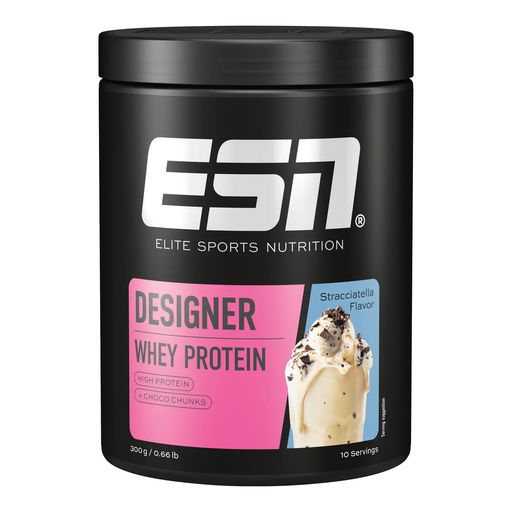
Why This Fits Their Persona: Ideal for athletes seeking a high-quality protein source to support recovery and muscle growth post-workout. The combination of concentrate and isolate provides a balanced supply.
The nutritional information is transparent, showing a high protein content of 73g per 100g. The excellent solubility, for which the manufacturer is known, prevents the typical clumping issue.
A combination of ultra-filtered whey concentrate and cross-flow micro-filtered whey isolate. Contains real chocolate chips for authentic taste and texture.
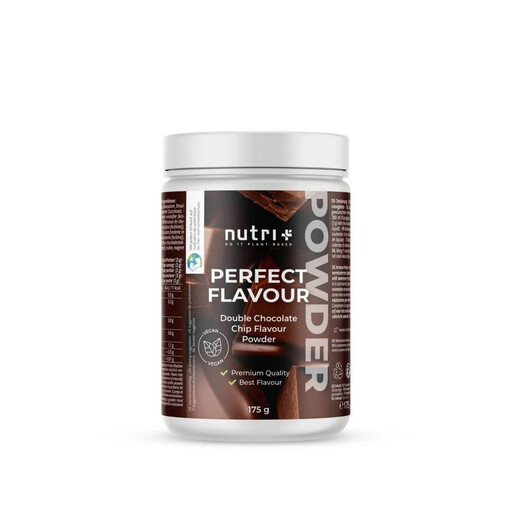
Why This Fits Their Persona: Perfect for health-conscious individuals who want to add flavour to foods like quark, yogurt, or oatmeal without adding extra calories or sugar. The vegan formula appeals to a broad audience.
This product is explicitly designed as a low-calorie flavour powder. It bypasses the hidden sugar pitfall by using sucralose as a sweetener and delivering only 7-11 kcal per serving.
Very low in calories and highly versatile. The formula is vegan and includes inulin as a dietary fibre. The chocolate chips provide a pleasant mouthfeel.
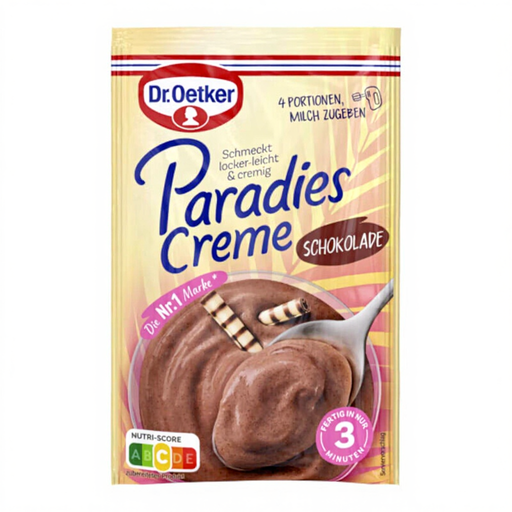
Why This Fits Their Persona: A quick and easy solution for a delicious dessert that the whole family will enjoy. It's ideal for when you need something fast but still want a creamy, indulgent treat.
This product is clearly positioned as a dessert powder and doesn't pretend to be a health product. The ingredient list is transparent and focused on enjoyment, which prevents false expectations.
Extremely simple and quick to prepare in just three minutes. The result is a light and airy cream with a widely popular chocolate flavour.
We have compiled a complete, up-to-date list of products that fully meet these strict selection criteria and comply with German regulations.
1. What is the difference between whey concentrate and whey isolate? The main difference lies in the manufacturing process and nutritional profile. Whey isolate is filtered more extensively, resulting in a higher protein content (typically >90%) and a lower amount of fat and lactose. Whey concentrate has a slightly lower protein content (approx. 70-80%) but retains more of the naturally occurring nutrients from whey. For individuals with lactose intolerance or those aiming for maximum protein intake per calorie, isolate is often the better choice.
2. Can I also use flavour powders for baking? Yes, most flavour powders are also suitable for baking. They can add an intense flavour to cakes, muffins, or cookies without adding extra sugar. However, note that while sweeteners like sucralose are heat-stable, they behave differently than sugar. You may need to slightly adjust your recipe, as the volume and browning properties of sugar will be missing.
3. How can I identify a protein powder with good solubility? Good solubility depends on the quality of the raw materials and the manufacturing process. Products labelled as "instantized" or "instant" have been specially treated to improve solubility. This often involves adding a small amount of an emulsifier like soy or sunflower lecithin. Customer reviews and the manufacturer's reputation can also provide valuable clues about a powder's solubility.