
Lieferung heute & morgen

Qualitätsgarantie

Willkommens-Angebote freischalten: KOSTENLOSE Lieferung | Bis zu 80 % RABATT | Kostenlose 30-Tage-JoyPlus-Testphase
App herunterladen
The market for protein powder can be overwhelming. Countless brands, varieties, and marketing claims make choosing the right one a challenge. Many fitness enthusiasts invest in products that don't align with their goals or whose ingredients over-promise and under-deliver. This guide will help you avoid the common pitfalls and make an informed decision that objectively supports your muscle-building or fitness goals.
Before we dive into the key parameters, you should be aware of the most common marketing traps that often lead to poor purchasing decisions.
To find the right product, you should examine three core aspects. These will help you objectively assess the quality and suitability of a protein powder.
The type of protein source determines how quickly your body can absorb the amino acids, which is crucial for optimal timing.
A look at the back of the packaging is essential. Pay attention to the following values per 100g of powder to compare products fairly:
A purely technical point, but a crucial one for daily use. A powder that clumps badly or has an artificial aftertaste will quickly be relegated to the back of the cupboard. Customer reviews and product descriptions that mention good solubility in water or milk are helpful here.
Based on the criteria above, we have compiled a selection of products for different user profiles.
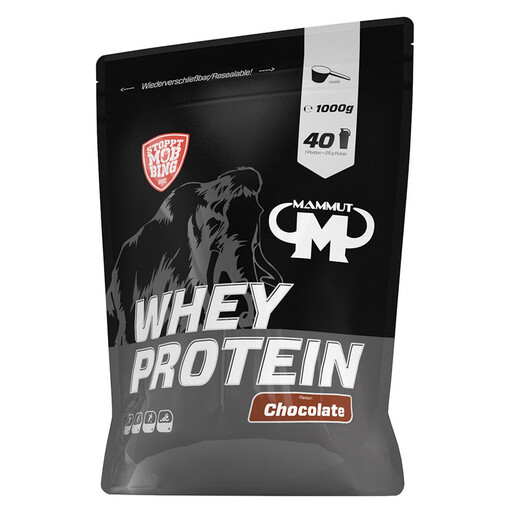
Why This Fits Their Persona: Ideal for athletes looking for a solid and straightforward whey concentrate. It provides a good foundation for post-workout protein supply without breaking the bank.
The product relies on a clean and simple formula without hidden fillers. The nutritional information is transparent and focuses on the essentials: pure whey protein concentrate.
Offers a high protein content of 27g per serving (when prepared with milk) and good solubility. The included scoop makes portioning easy.
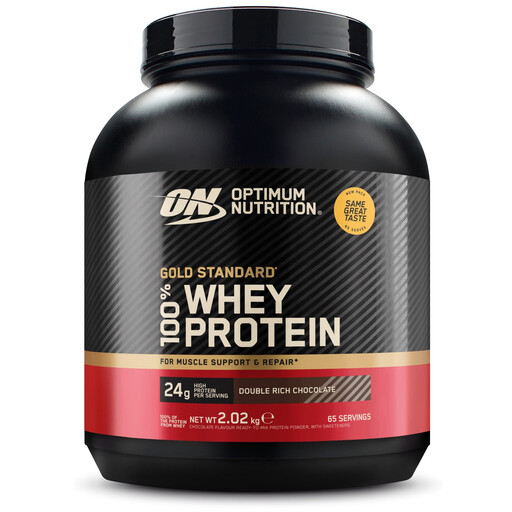
Why This Fits Their Persona: For ambitious athletes who value a premium formula. The blend of isolate, concentrate, and hydrolysate is designed for fast and efficient recovery after intense training sessions.
This product avoids the "wrong protein type" trap by offering a thoughtfully crafted blend for post-workout use. The main ingredient is high-quality whey protein isolate, which indicates high purity.
Delivers 24g of protein and 5.5g of naturally occurring BCAAs per serving with a low sugar content. Its excellent solubility is a frequently praised feature.
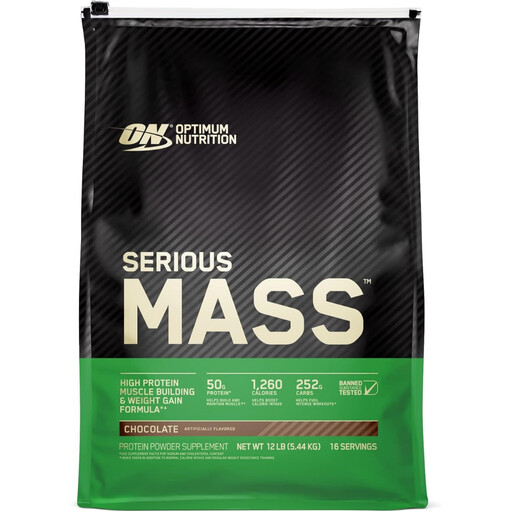
Why This Fits Their Persona: Specifically developed for individuals who have high calorie needs and want to gain mass. This product is not just a protein powder but a complete weight gainer.
It is clearly positioned as a high-calorie product for mass building. This prevents users from accidentally buying a low-calorie whey when they are aiming for a calorie surplus.
Delivers over 1,250 kcal, 50g of protein, and more than 250g of carbohydrates per serving. It is also fortified with creatine, L-glutamine, and 25 vitamins and minerals.
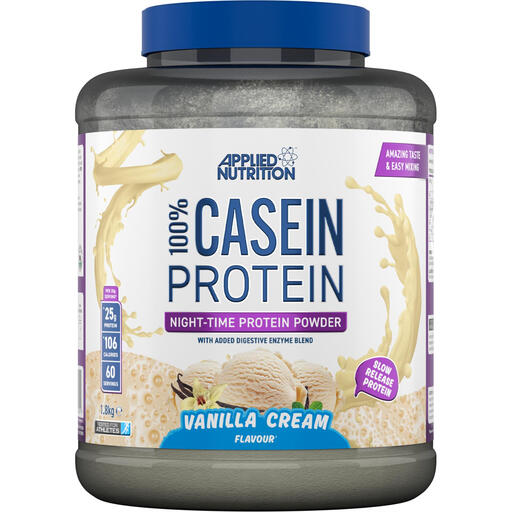
Why This Fits Their Persona: Perfect for athletes who want to supply their muscles with protein overnight or during long periods without food. Pure casein protein is the top choice for a slow and steady release of amino acids.
This product specifically addresses the need for slow-release protein, preventing users from incorrectly using a fast-digesting whey for this purpose.
Consists of 100% micellar casein and is low in carbohydrates and fat. It also contains the DigeZyme enzyme complex and the probiotic LactoSpore.
We have compiled a complete, up-to-date list of products that fully meet these strict selection criteria and quality standards.
1. How much protein powder should I take per day? The recommended daily intake depends heavily on your body weight, activity level, and goals. For active individuals, an intake of 1.6 to 2.2 grams of protein per kilogram of body weight per day is often recommended. A protein shake can help meet part of this requirement but should not replace a balanced diet. Always follow the manufacturer's serving recommendations.
2. Can I consume protein powder even if I don't work out? Yes, protein powder can also serve as a supplement to your daily diet to increase overall protein intake, especially for those following a vegetarian or vegan lifestyle or who find it difficult to meet their needs through whole foods alone. Protein contributes to the maintenance of muscle mass and normal bones, even without intensive exercise.
3. Whey or Casein – what's the key difference for me? The short answer is timing. Whey protein is like a "sprint": it quickly supplies your muscles with amino acids, making it ideal immediately after a workout. Casein protein is a "marathon": it releases its amino acids slowly, making it perfect for supplying your body overnight or during long gaps between meals. For most users, a whey protein for their post-workout shake is the most common choice.