
Lieferung heute & morgen

Qualitätsgarantie

Willkommens-Angebote freischalten: KOSTENLOSE Lieferung | Bis zu 80 % RABATT | Kostenlose 30-Tage-JoyPlus-Testphase
App herunterladen
Protein powder can provide a convenient way to supplement your daily protein intake – for example, after training, between meals or when you have increased calorie needs. However, products vary considerably in terms of their protein source, serving size, ingredients and energy content. If you focus only on flavour or large packaging, you can easily end up buying a powder that does not suit your goal.
The most common purchasing mistakes:
With whey protein or whey protein powder, the protein comes from whey. Products often contain whey protein concentrate, whey protein isolate or a blend of both. Depending on the recipe, an isolate may contain a higher proportion of protein and fewer additional ingredients; the specific nutrition table for the flavour in question is what counts.
For comparison, look at protein per 100 g and protein per serving. A product containing 75 g of protein per 100 g is not automatically more economical than one containing 79 g if the serving size and pack price differ significantly.
If you want to avoid dairy products, look for a vegan protein powder made from sources such as soya, pea and rice protein. Allergens and sweeteners should also be checked in the ingredients list.
A classic protein shake is primarily suitable for supplementing your protein intake. If you follow a high-protein diet with sufficient calorie intake, a low-calorie whey is often easier to measure and incorporate.
A Weight Gainer or Mass Gainer, on the other hand, contains considerably more carbohydrates and calories. This may be useful for people with increased energy needs. However, servings are large and may initially be difficult to tolerate if you have a sensitive digestive system. Starting with a smaller serving, as recommended for Serious Mass, allows you to adjust more gradually.
Pay attention to:
BCAA, vitamins and creatine should not be used as standalone reasons to buy a product. For products containing creatine, check whether the amount per serving is clearly stated and whether you actually want to take an additional supplement.
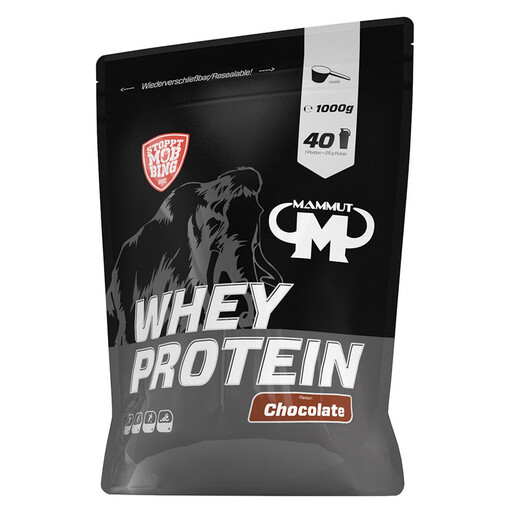
Why this product suits this profile: The 1 kg pack offers a manageable introduction to whey protein powder. According to the product information, a 25 g serving provides 27 g of protein when prepared with 300 ml of low-fat milk.
The pack size reduces the risk of buying a large supply of an unfamiliar flavour. The ingredients list states that it contains 89% whey protein concentrate.
25 g serving measure, scoop and chocolate flavour; contains milk and soya as allergens.
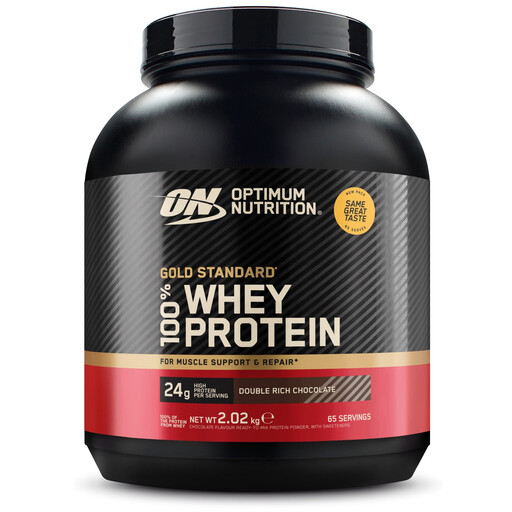
Why this product suits this profile: The product information states that each 30 g serving provides 24 g of protein and around 113 kcal. The blend contains whey isolate, whey concentrate and hydrolysed whey.
The nutritional values per serving and the recommended liquid quantity of 180–240 ml are clearly stated. This makes it easier to include the shake in a calorie-conscious diet.
24 g of protein per serving, 5.2 g of carbohydrates per 100 g and naturally occurring BCAA according to the product description.
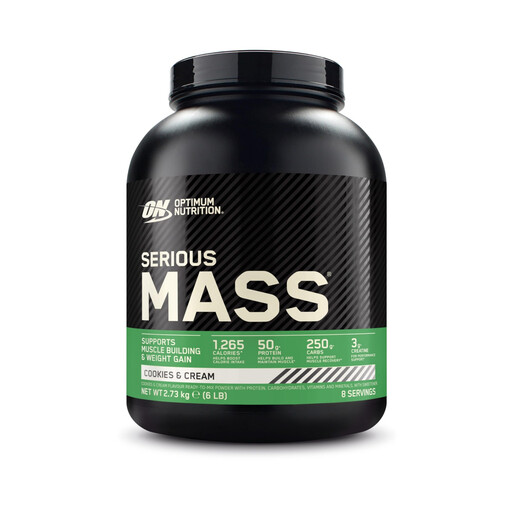
Why this product suits this profile: This Weight Gainer is aimed at adults with increased calorie needs. According to the stated serving size of around 340 g, it provides more than 1,250 kcal, 50 g of protein and over 250 g of carbohydrates.
The very large serving makes the calorie content transparent. Starting with half a serving can help you assess tolerance and your actual requirements more accurately.
50 g of protein, over 250 g of carbohydrates and 3 g of creatine monohydrate per stated serving; contains milk, soya and wheat.
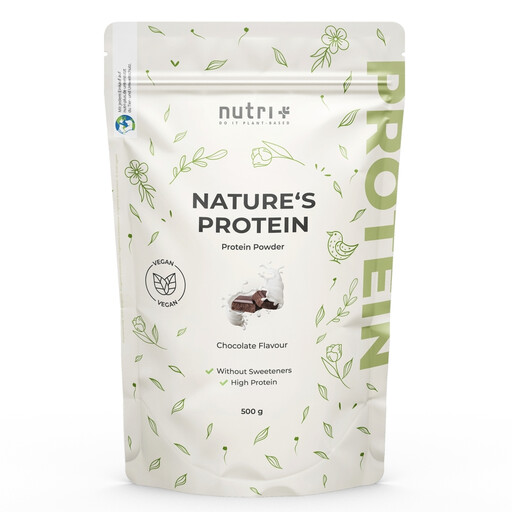
Why this product suits this profile: This vegan protein powder combines soya, pea and rice protein. According to the product information, a 30 g serving provides 23 g of protein and contains no added sweetener.
The plant-based protein sources are clearly stated. If you expect a strongly sweet flavour, bear in mind that the usage instructions indicate that additional sweetness may be required.
30 g serving, 23 g of protein and a recipe made from three plant-based protein sources; contains soya as an allergen.
We have put together a complete, regularly updated list of products that fully meet these strict selection criteria and the safety regulations applicable in the EU.
To make a simple protein shake, mix the powder with water, milk or a plant-based drink according to the instructions on the pack. Water reduces additional calories, while milk increases the energy and protein content. A shaker is sufficient for many products; with larger Gainer servings, a blender may be more practical.
Powder is not a substitute for a varied diet. For muscle building and muscle recovery, regular strength training, sufficient energy intake, sleep and your total daily protein intake also matter. The recommended serving should not be exceeded without good reason.
This depends on the packaging and the manufacturer’s instructions. Powder should be stored in a cool, dry place, sealed and protected from direct sunlight. Once opened, follow the relevant instructions on the pack. A prepared protein shake should be consumed promptly and not kept unrefrigerated for an extended period.
There is no universally applicable amount. Your body weight, diet, training volume and individual goal are all relevant. Follow the product’s recommended serving size and include the protein you get from ordinary foods in your calculation. If you have any medical conditions, take medication, are pregnant or are breastfeeding, seek medical advice before use.
Whey protein primarily provides additional protein with a comparatively moderate calorie content. A Weight Gainer also supplies substantial amounts of carbohydrates and calories, making it more suitable for people with increased energy needs. Your choice should be based on the nutritional information, not solely on advertising claims.