
Lieferung heute & morgen

Qualitätsgarantie

Willkommens-Angebote freischalten: KOSTENLOSE Lieferung | Bis zu 80 % RABATT | Kostenlose 30-Tage-JoyPlus-Testphase
App herunterladen
Protein powder can help supplement your daily protein intake, but it’s no substitute for a varied diet. If you’re looking to buy a protein powder that suits you, don’t be swayed by flavour names, eye-catching packaging or claims such as ‘fast-absorbing’ alone. The key things to consider are the protein source, nutritional values, allergens, serving size and how you plan to use it.
There are a few common misconceptions when buying protein powder in Germany:
Whey protein is made from whey and is suitable for vegetarian diets, but not vegan ones. Depending on the product, it may contain milk and lactose. A multi-source protein combines different sources, such as soya, milk, whey and egg protein.
Vegan protein powder, on the other hand, uses plant-based sources. Common ingredients include soya, pea, rice, sunflower or wheat protein. Blends of different plant-based sources can combine a variety of amino acid profiles. If you have an allergy or intolerance, always check the specific ingredients list.
Compare at least these two figures:
For example, Optimum Nutrition Gold Standard 100% Whey lists around 79 g of protein per 100 g and 23.7 or 24 g per 30 g serving, depending on the variant and flavour. The powder is mixed with water or milk. Mammut Nutrition Whey Protein lists 27 g of protein per serving, but this figure is based on preparation with 300 ml of semi-skimmed milk. Always check the figures on the relevant product label.
Check the order of ingredients, sweeteners, cocoa content and allergens. Depending on the recipe, a chocolate protein powder may contain very different amounts of cocoa, sugar or sweeteners.
The recommended amount of liquid also affects the texture and calorie content. For example, Nutri+ 3K products are mixed with around 350–400 ml of liquid per 30 g of powder. Other products recommend 180–300 ml. For a creamier shake, you can use milk or a plant-based drink, but this will change the nutritional values.
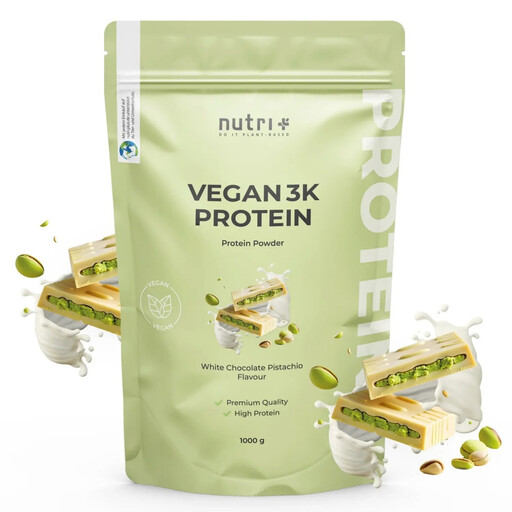
Why it suits this profile: The 1 kg pack is a good choice if you use plant-based protein regularly and want to stock up. It provides 23 g of protein per 30 g serving.
The product description clearly lists the protein blend of soya, pea and sunflower protein, as well as the serving size. This makes it easy to check the composition before you buy.
Vegan recipe, 1 kg pack and 23 g of protein per 30 g serving, according to the product details.
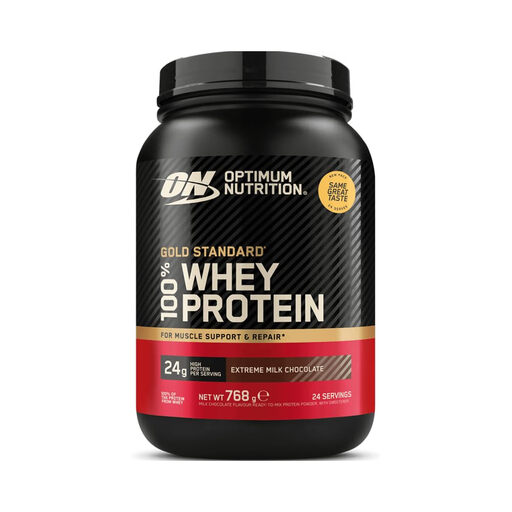
Why it suits this profile: A good option for adults looking for a whey blend of isolate, concentrate and hydrolysed whey with clearly stated nutritional values. It provides 23.7 g of protein per 30 g serving.
The product details list the protein, fat and carbohydrate content, along with the serving size. Milk and soya are identified as allergens.
Whey blend, 24 g of protein per serving in the 2,020 g variant, and suitable for shakes, porridge or recipes.
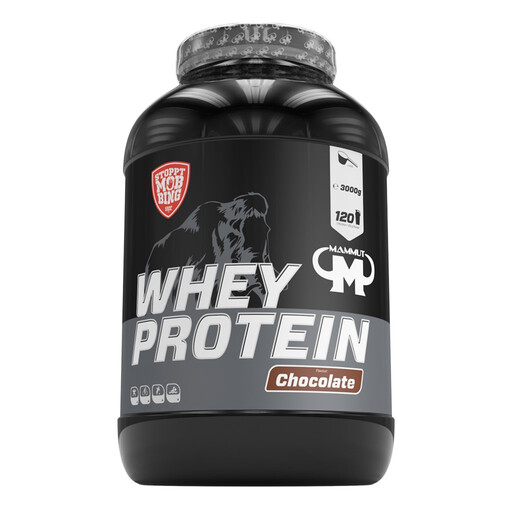
Why it suits this profile: This large tub is aimed at frequent users who regularly add whey protein to shakes or have it as a snack. It contains 120 servings of 25 g each.
The pack size, number of servings and serving size are all clearly stated. This makes it easier to match the amount you buy to how much you actually use.
3 kg pack, chocolate flavour and a measuring scoop, according to the product description.
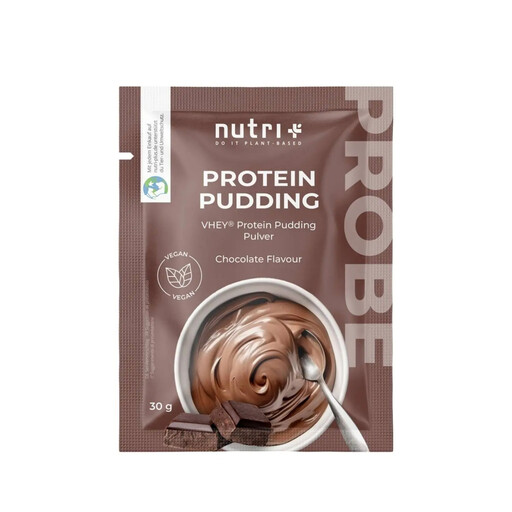
Why it suits this profile: The 30 g sample is a good choice if you’d like to try a plant-based protein product in a smaller quantity first. According to the product description, one serving provides 24 g of protein.
The small pack reduces the risk of buying a large quantity of a flavour you don’t like or a product with an unsuitable texture.
Vegan pudding mix, 30 g sample and suitable for mixing with water or a plant-based drink.
We’ve put together a complete, regularly updated list of products that meet these strict selection criteria and fully comply with the safety regulations in force in the EU.
A protein shake is easy to prepare straight after a workout, between meals or when you’re out and about. You don’t need to choose a product based on a specific post-workout window. What matters more is that the serving fits into your daily diet and is practical to prepare as part of your routine.
Mix the powder and liquid just before drinking your shake. A shaker, measuring scoop and securely sealed pack make it easier to use. Store the powder in a cool, dry place away from direct light. Once opened, follow the manufacturer’s guidance on how soon to use it.
If unopened, follow the best-before date on the packaging. Once opened, store the powder in a dry place, seal the container and follow the manufacturer’s instructions. Moisture, heat and leaving the container open too often can affect product quality.
Vegan protein powder can help supplement your daily protein intake. Whether a product suits your personal goal depends on your overall protein intake, diet, training plan and tolerance. Also check whether it contains soya, wheat or other potential allergens.
The cost depends on the pack size, serving weight and type of product. Divide the purchase price by the number of servings stated on the packaging. A 1 kg protein powder may cost less per serving than a sample, while a small pack makes it easier to try a product first. So it’s not just the price per kilo that matters: consider whether the flavour and preparation will suit the way you plan to use it regularly.