
Lieferung heute & morgen

Qualitätsgarantie

Willkommens-Angebote freischalten: KOSTENLOSE Lieferung | Bis zu 80 % RABATT | Kostenlose 30-Tage-JoyPlus-Testphase
App herunterladen
Protein powder can make it easier to get your daily protein, whether at breakfast, after a workout or on the go. The choice ranges from classic whey protein and vegan protein to ready-to-drink high-protein drinks. The sheer variety of products, however, can make comparisons difficult.
If you focus only on terms such as “Muscle”, “Performance” or “Premium”, you may miss important details. What matters is the nutritional value per serving, the protein source, the ingredients list and a format that suits your daily routine. The criteria below can help you distinguish marketing claims from product features you can verify.
A high figure on the front of the pack may refer to 100 g of powder. For everyday use, what matters is how much protein a realistic serving provides. When comparing protein powders, make sure you look at at least these figures side by side:
A 30 g serving isn’t automatically comparable with a 40 g serving. Flavours can also make small differences to the nutritional values. The information on the individual product’s packaging is the most important guide.
Whey protein is made from milk, so it contains milk ingredients. Depending on the product, it may be whey concentrate, whey isolate or a blend. An isolate isn’t automatically the right choice for everyone. If you’re intolerant to milk or certain ingredients, read the full allergen information.
Terms such as Optimum Nutrition Whey or ESN Designer Whey initially identify a brand or product range. For an informed choice, the specific nutritional values and ingredients of the product matter more than how well-known the name is.
A large pouch may look attractive in terms of cost per serving, but it won’t suit every routine. For work, travelling or having something straight after exercise, a ready-to-drink protein shake may be more convenient. On the other hand, a ready-to-drink product usually takes up more packaging space and won’t keep as long after opening as dry powder.
Whey protein and milk protein are animal-derived. If you follow a vegan diet, options include soy, pea or bean protein. A plant-based protein shake can also be enjoyed as a drink or added to porridge and smoothies.
The ingredients list is particularly important for plant-based products: soy powder, sugar, maltodextrin or added flavourings can significantly affect the nutritional value. “Plant-based” doesn’t automatically mean low in sugar or high in protein.
The manufacturer’s recommended serving is a practical basis for comparison. According to the product information, Optimum Nutrition Gold Standard 100% Whey in Banana Cream flavour provides 23.7 g of protein per 30 g serving and contains 113 kcal. The product contains 79 g of protein per 100 g of powder. The Extreme Milk Chocolate flavour lists 22.2 g of protein per 30 g serving and 74 g per 100 g.
According to the product description, ESN Designer Whey Protein Vanilla Milk contains 75 g of protein per 100 g. Values may vary depending on the flavour and recipe. So don’t choose based on the brand name alone: check the specific label.
Whey products contain milk. Some recipes may also contain soy, egg, gluten or other allergens. Sweeteners such as sucralose, stevia, xylitol or erythritol are also worth considering when choosing a product.
Powder is usually stored in a cool, dry place in a tightly sealed container. A prepared shake should be consumed promptly. For ready-to-drink products, follow the instructions on the packaging. Opened bottles usually need to be refrigerated and consumed within the stated period.
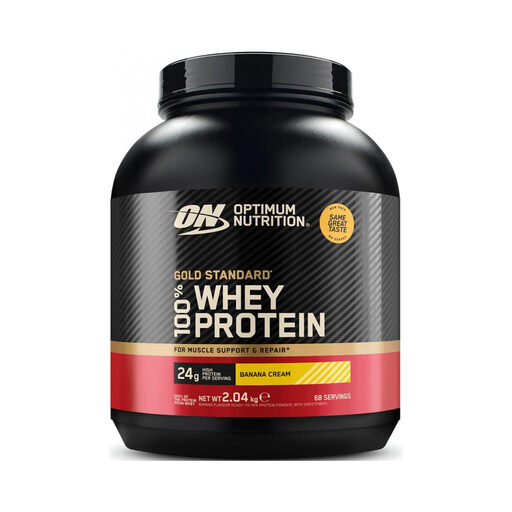
Why this product suits this profile: The 2 kg tub is a good choice if you make protein shakes regularly and prefer to buy a larger pack. According to the product information, one serving is 30 g.
The information lists protein, calories, fat and carbohydrates both per 100 g and per 30 g serving. This makes it easier to compare the product with others.
23.7 g of protein and 113 kcal per serving, plus a resealable tub, according to the product description.
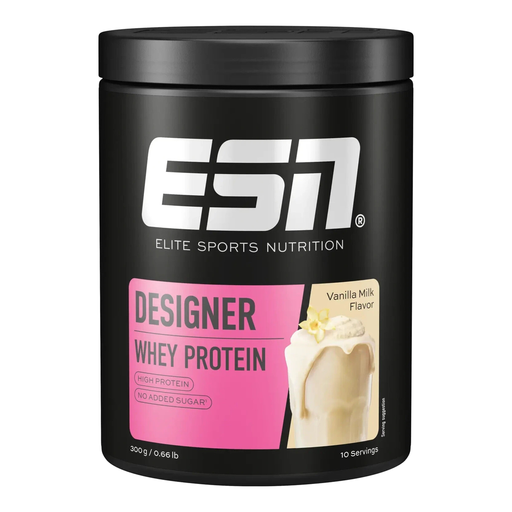
Why this product suits this profile: A good option if you’re looking for a whey protein powder that blends concentrate and isolate and has a clearly stated serving size.
The recipe and allergens are clearly listed. According to the product information, it contains milk and soy, making it easier to check whether it suits your dietary needs.
75 g of protein per 100 g according to the product description; suitable for mixing with water, milk or a plant-based drink.
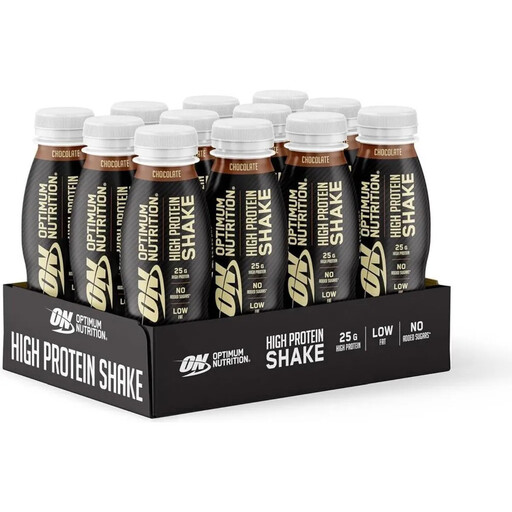
Why this product suits this profile: This ready-to-drink chocolate shake is designed for work, commutes or straight after a workout. There’s no need for a shaker or measuring out a serving.
One serving is clearly defined as a 330 ml bottle. With 25 g of protein and 185 kcal per bottle, you can plan your daily intake without doing any conversions.
12 individual servings, with 25 g of protein per bottle and a low fat content of 1.0 g per bottle, according to the product information.
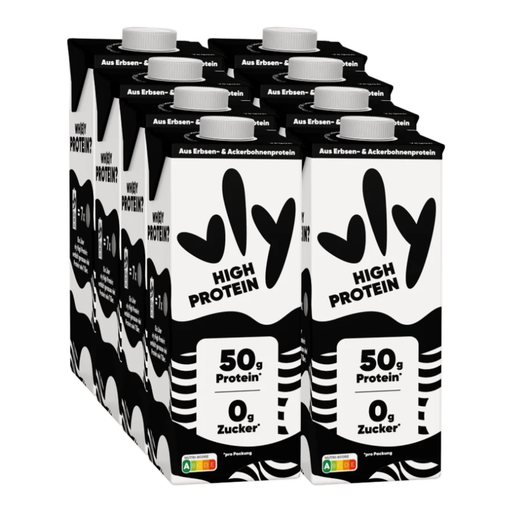
Why this product suits this profile: This plant-based alternative, made with fava bean and pea protein, works well in shakes, smoothies and cereal, or enjoyed on its own.
Protein and nutritional values are listed per 100 ml. This makes it easier to work out how much you’re actually using than with drinks that don’t clearly state their contents.
5.0 g of plant protein and 0 g of sugar per 100 ml according to the product description; available in a pack of 8.
We’ve put together a comprehensive, regularly updated list of products that meet these strict selection criteria and fully comply with the safety regulations in force in the EU.
Protein powder for muscle building isn’t a substitute for a balanced diet or a training plan in its own right. However, it can be an easy way to include a planned serving of protein in your day. Depending on the product, you’ll usually need 200 to 300 ml of water or milk to make a protein shake. Plant-based alternatives can change its texture and flavour.
If you’re planning to have protein after a workout, focus on convenience and availability. The exact timing matters less than your overall diet and getting a regular supply throughout the day. If you have an existing health condition, take medication, are pregnant or are unsure whether a product is suitable for you, it’s worth seeking medical advice.
If unopened, follow the best-before date on the packaging. Once opened, store the powder in a cool, dry place away from light, and keep the container tightly sealed. Moisture can affect its texture and how well it mixes. Prepared shakes have a shorter shelf life; always follow the manufacturer’s instructions.
There’s no one-size-fits-all answer. Whey protein comes from milk and is a straightforward option for people who tolerate milk ingredients. Vegan protein made from soy, peas or beans suits a plant-based diet. Choose a product whose ingredients, protein content, allergens and flavour match your individual needs.
Check the recommended amount on the product you choose. Don’t automatically increase it just because you have more powder available. What matters is your total protein intake from all foods. A food supplement isn’t a substitute for a varied diet. If you have specific health concerns, check whether it’s suitable for you before taking it.