
Lieferung heute & morgen

Qualitätsgarantie

Willkommens-Angebote freischalten: KOSTENLOSE Lieferung | Bis zu 80 % RABATT | Kostenlose 30-Tage-JoyPlus-Testphase
App herunterladen
Protein powder can be a convenient way to supplement your diet when it’s difficult to plan your daily protein intake using everyday foods alone. There’s a wide choice, from whey protein and casein protein to vegan protein powder, protein shakes and high-calorie mass gainers. What matters most, though, isn’t eye-catching packaging but choosing a formula that suits your needs.
Many buyers focus only on the protein content per serving. But serving size, calories, sweeteners, allergens and how much you’ll actually consume can have a bigger impact on your day-to-day routine than a single marketing claim.
‘25 g of protein per serving’ sounds clear enough at first. But a serving could be 25, 30 or more than 300 g of powder. For a classic protein powder, the figure per 100 g is also important. A mass gainer often contains considerably more carbohydrates and calories, but usually provides less protein per 100 g than whey or vegan protein powder.
A mass gainer or weight gainer is designed to provide extra calories. Products in this category often contain maltodextrin, dextrose or other sources of carbohydrates. If you’re simply looking for a protein shake after a workout, you may not need a serving containing several hundred or even more than 1,000 kcal.
Whey protein and casein protein are made from milk. Vegan protein powder, on the other hand, may contain soya, wheat, pea, rice, sunflower or almond protein. Depending on the recipe, mass gainers may also contain milk, egg, soya or cereals containing gluten. Always check the ingredients and allergen information before buying, especially if you have an intolerance or follow a vegan diet.
Whey protein is made from milk and is found in many protein shakes. Among the products featured here, MAMMUT Nutrition Whey Protein provides around 27 g of protein per serving, depending on the variant. The Snickerdoodle product’s formula lists 92% whey protein concentrate; according to the product information, the vanilla variant contains 96.7% whey protein concentrate.
Casein protein is also made from milk. Micellar casein is often offered for shakes between meals or before bed. This doesn’t mean it has a therapeutic effect; it simply describes its intended use as a protein source that digests more slowly.
Vegan protein powder uses plant-based sources. Nutri+ 3K Protein combines soya, pea and sunflower protein. Nutri+ 6K Protein adds rice, wheat and almond protein, among other ingredients. If you’re choosing a vegan product, read the label carefully: a plant-based formula isn’t automatically free from soya, gluten or nuts.
For a classic protein powder for muscle building, a high protein content and a moderate calorie count are often a good choice. A mass gainer has a different purpose. For example, Optimum Nutrition Serious Mass is listed as providing around 50 g of protein, more than 250 g of carbohydrates and over 1,250 kcal per large serving. A full serving contains around 335 to 340 g of powder.
When comparing 1 kg of protein powder, it’s also worth checking the number of servings. A 1 kg bag with 25 g servings will, in theory, last longer than a product with 50 g servings. How long it actually lasts will depend on the serving size stated on the label.
The recommended amount of liquid affects both consistency and calories. Nutri+ 3K recommends mixing 30 g of powder with 350 to 400 ml of liquid. For Nutri+ 6K Protein, the recommended amount is 30 g of powder and 300 ml of liquid. According to the product information, MAMMUT Whey products are prepared with 25 g of powder and 300 ml of semi-skimmed milk.
If you use a powder regularly, it’s also worth considering the seal, storage instructions and whether the serving size is realistic for you. Several of the products mentioned contain sweeteners such as sucralose or acesulfame K. If you have a sensitive digestion, it may be sensible to start with a smaller pack or a smaller serving.
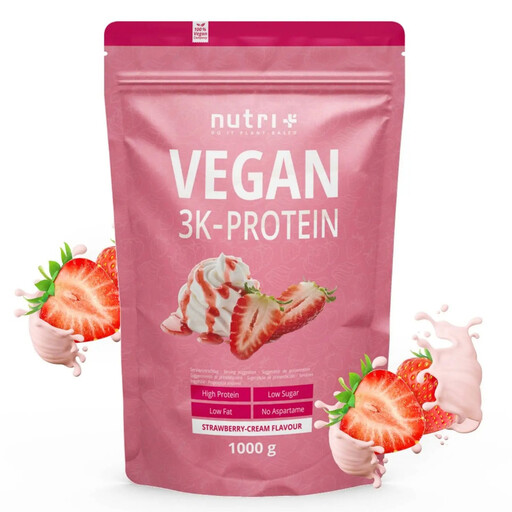
Why this product suits this profile: The 1 kg pack and recommended 30 g serving make it easier to work out how much you’ll need for regular use. The formula is based on soya, pea and sunflower protein and, according to the product information, provides 25 g of protein per serving.
The serving size is clearly stated, making it easier to compare the protein content with other products without relying solely on marketing claims.
Plant-based protein blend, 1 kg pack and 25 g of protein per 30 g serving, according to the product description.
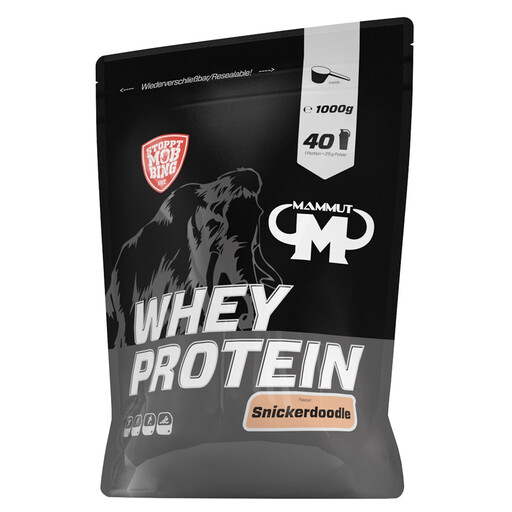
Why this product suits this profile: This product is for people who prefer a classic whey protein with a clearly stated protein source and a set serving size.
The ingredients list states that it contains 92% whey protein concentrate. Milk is clearly listed as an allergen, so you can take this into account before buying.
27 g of protein per serving according to the product information, 1 kg bag and measuring scoop.
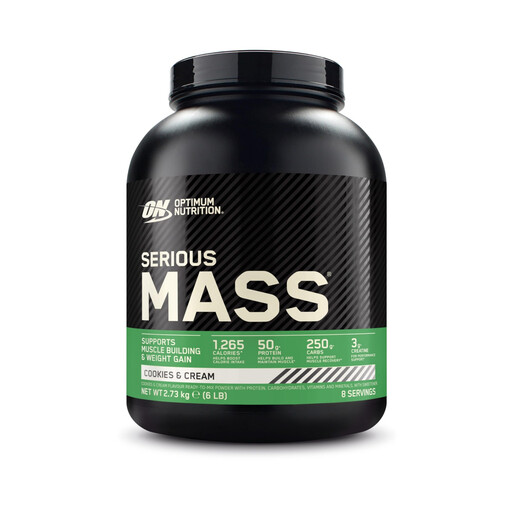
Why this product suits this profile: Its high calorie and carbohydrate content is aimed at people who want to increase their energy intake deliberately and regularly use larger packs.
The information on a serving of around 340 g, 50 g of protein and more than 250 g of carbohydrates makes it clear that this isn’t an ordinary protein shake.
2.73 kg pack, around 1,250 kcal or more per serving according to the product information, and 3 g of creatine monohydrate per serving.
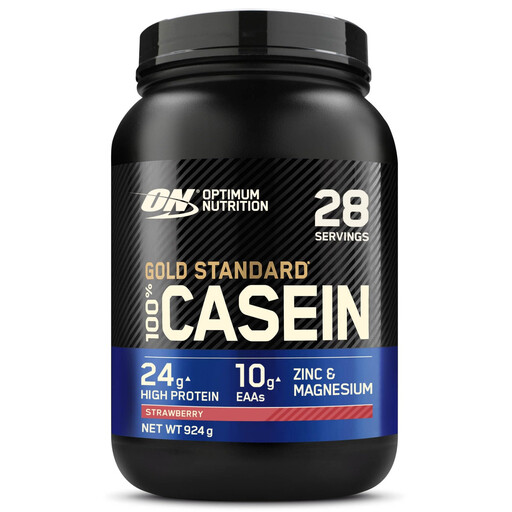
Why this product suits this profile: Micellar casein can be a suitable protein source between meals or before bed if you’re looking for a shake that takes longer to digest.
The product category and protein source are clearly stated. Mixing 32 g of powder with 300 ml of water makes it easy to measure your daily intake consistently.
24 g of protein per serving according to the product information, 88% micellar casein and a 900 g pack.
We’ve put together a comprehensive, regularly updated list of products that meet these strict selection criteria and fully comply with the safety regulations in force in the EU.
Always follow the best-before date and storage instructions on the packaging. Once opened, products should be kept in a cool, dry place, away from light, and sealed tightly. A damp scoop can encourage clumping. Prepared protein shakes should be drunk promptly and not left unrefrigerated for long periods.
It depends on your diet, tolerance and overall daily routine. Whey protein, casein protein and vegan blends can all contribute to your daily protein intake. A mass gainer is mainly useful if you’re also planning to consume plenty of extra calories and carbohydrates. The words ‘after a workout’ don’t replace checking the ingredients, serving size and nutrition table.
Don’t exceed the recommended amount for the product. Protein powder isn’t a substitute for a varied diet. If you already eat plenty of protein-rich foods or have health concerns, ask a healthcare professional to assess your total daily intake. If you have a medical condition, take medication, are pregnant or are breastfeeding, it’s sensible to seek medical advice.