
Lieferung heute & morgen

Qualitätsgarantie

Willkommens-Angebote freischalten: KOSTENLOSE Lieferung | Bis zu 80 % RABATT | Kostenlose 30-Tage-JoyPlus-Testphase
App herunterladen
If you’re looking to buy protein powder, you’ll quickly find a wide choice of whey protein, vegan protein powder and protein blends. Product names often sound similar, but the protein source, serving size, sweeteners, allergens and pack size can vary considerably. Whether you’re a sportsperson, fitness enthusiast or active adult, it’s worth checking the specific details rather than relying on eye-catching marketing claims.
A figure such as ‘80 g protein’ often refers to 100 g of powder, not a single serving. To compare products fairly, always check these three values:
A product providing 24 g of protein per 30 g serving is different from one where a serving is 50 g or more. Mixing the powder with milk also changes its energy, sugar and fat content compared with a protein shake made with water.
Plant protein can come from soya, peas, rice, wheat, sunflower seeds or almonds. Vegan protein powder is therefore not automatically suitable for everyone with an allergy or intolerance. Pay particular attention to information about soya, gluten, wheat, almonds and possible traces.
When buying whey protein, check the ‘milk’ and ‘lactose’ labelling too. The full ingredients list on the product page and packaging is what matters when choosing a product.
‘Chocolate’ or ‘vanilla’ initially describes only the flavour. Ingredients and sweeteners can vary considerably. Some products contain sucralose, acesulfame K or steviol glycosides; others are described as containing no sweeteners and may need a little extra sweetness to bring out the flavour.
So, when choosing between chocolate and vanilla protein powder, compare the ingredients, nutritional values and how you prefer to prepare it.
Whey protein comes from milk and is often used in a post-workout shake or as a snack. Depending on the product, the options listed here contain whey concentrate, whey isolate or a blend of the two.
Vegan protein powder, by contrast, is made from plant-based sources. Blends of soya, pea and rice protein can combine different plant protein sources. If a product contains several sources, read the full ingredients list: ‘plant-based’ doesn’t necessarily mean ‘soya-free’ or ‘gluten-free’.
A protein blend might combine soya, milk, whey and egg protein, for example. This may suit people who prefer to get different protein sources from a single product. However, this category isn’t suitable for vegans.
The figures per 100 g of powder and per serving are a practical basis for comparison. Here are some examples from the product selection:
These figures aren’t directly comparable, as serving sizes and flavour variants may differ. Always check the labelling on the specific pack you choose.
A 30 g sample is a good way to check the flavour and how well the powder mixes. If you plan to use it regularly, a 1,000 g or 2,000 to 3,000 g pack may offer better value. Larger tubs need enough dry storage space away from light, and should be used within the stated period after opening.
Also check the recommended daily amount. Some products recommend one serving a day, while others suggest one to three servings, according to the product description. The manufacturer’s instructions on the label take precedence.
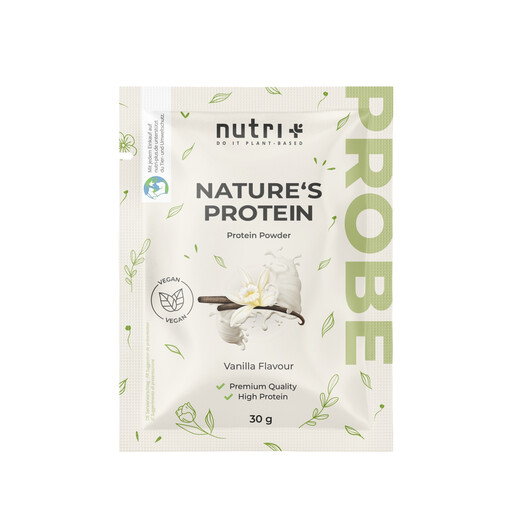
Why it suits this profile: The 30 g sample lets you try a plant-based protein blend of soya, pea and rice protein without committing to a large pack.
The protein content is listed as 25 g per serving, so you can check the serving size before buying a larger supply.
A blend of three plant proteins, a 30 g serving and preparation with 300 ml of liquid. Described as containing no added sweeteners.
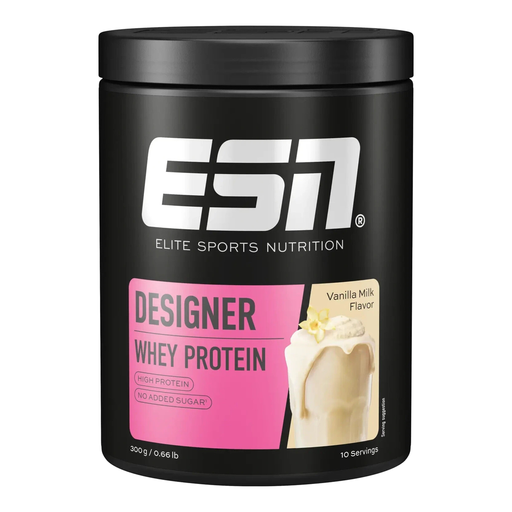
Why it suits this profile: This pack contains a blend of whey concentrate and isolate. Its 300 g size is a good choice if you prefer a manageable pack with clear nutritional information.
The product description lists 75 g of protein per 100 g and 28.2 g of whey protein per 30 g serving. Milk and soya are listed as allergens.
Whey concentrate and whey isolate, vanilla milk flavour, and preparation with 200 ml of water or semi-skimmed milk.
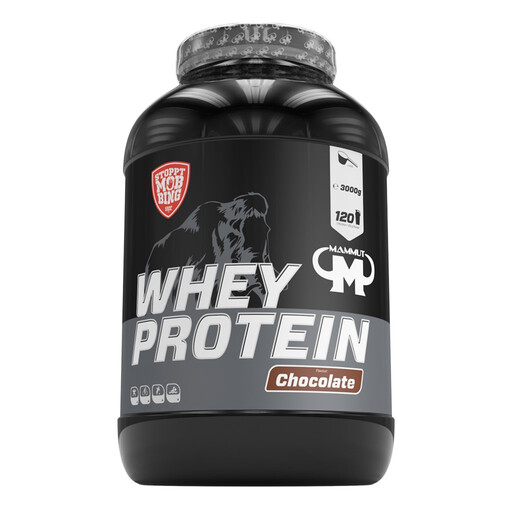
Why it suits this profile: The 3 kg tub is aimed at people who make protein shakes regularly and prefer to buy a larger pack.
The product description lists 120 servings, 27 g of protein per serving and a recommended amount of 25 g of powder. This makes it easier to match the supply to your own rate of use.
Whey protein concentrate, chocolate flavour, a measuring scoop and, according to the product description, good solubility in water or milk.
We’ve put together a complete, regularly updated list of products that meet these strict selection criteria and fully comply with the safety regulations in force in the EU.
For a simple protein shake, mix the powder with water or milk as directed on the pack. The amount of liquid affects the consistency and calorie content. According to the product information listed, some plant-based options need 300 to 400 ml of liquid.
Protein powder can be a convenient addition after a workout, but it isn’t a substitute for a balanced diet. If you have allergies, an existing medical condition, take medication, are pregnant or are breastfeeding, check with a medical professional before using it. Food supplements aren’t intended for children unless the packaging says otherwise.
It depends on the product. Product information may state that it should be used within three or four months of opening, for example. Always store the powder in a cool, dry place away from light, and keep it tightly sealed. Follow the instructions on the packaging.
There’s no single answer. Whey protein may suit people who want to use dairy products. Vegan protein powder is intended for a plant-based diet, but may contain soya, gluten or nuts. Your diet, tolerance, the ingredients list and the protein content per serving are all important.
The recommended amount varies by product. A serving is often listed as 25 to 30 g of powder, while some products limit you to one serving a day. Follow the packaging instructions and treat protein powder as a supplement to your normal diet, not a replacement for varied meals.