
Lieferung heute & morgen

Qualitätsgarantie

Willkommens-Angebote freischalten: KOSTENLOSE Lieferung | Bis zu 80 % RABATT | Kostenlose 30-Tage-JoyPlus-Testphase
App herunterladen
Protein powder may seem easy to compare at first: choose a flavour, check the pack size and compare the price per tub. In practice, however, protein powder, whey protein, casein protein and weight gainers can differ considerably in protein content, calories, carbohydrates and how they’re used.
As Joybuy’s Product Recommendation Officer, I’ll explain the key information clearly and objectively. This can help you avoid buying a product because of a striking marketing claim when it doesn’t suit your routine or training goals.
“27 g of protein per serving” sounds clear, but it isn’t always. What matters is the actual serving size and whether the nutritional values refer to the powder or to a protein shake made with milk. With a weight gainer, the milk and carbohydrates can add several hundred calories.
So always compare:
Many products are marketed as BCAA protein, or highlight L-glutamine or complex protein blends. BCAAs are branched-chain amino acids that occur naturally in milk and whey protein. However, the term alone doesn’t tell you how much protein the product contains overall.
A long ingredients list is no guarantee of quality either. For a whey product, the whey protein content should be clear. For a gainer, check whether its high carbohydrate content suits your weight-gain goals.
A large 4.5 kg tub only makes sense if you like the flavour, find it easy to digest and can prepare it conveniently. A sample box with individual servings can be a more practical way to try a product first. If you’re out and about without a shaker or somewhere to mix your drink, a ready-to-drink protein shake can save you time.
Whey protein comes from whey and is often used in a post-workout protein shake or as a snack between meals. Check the stated protein content and the milk ingredients, particularly if you have an intolerance.
Casein protein, more specifically micellar casein, is generally digested more slowly than whey. Casein products are often used between meals or in the evening. This is a matter of personal preference and dietary routine, not a blanket promise of effectiveness.
A weight gainer typically combines carbohydrates and protein. The Mammut products mentioned here contain around 76 to 83 g of carbohydrates per 100 g of powder, depending on the variant, while their protein content is considerably lower than that of pure whey. This makes them more suitable for a high-calorie diet than for a low-calorie protein shake.
Compare products on the same basis. The nutrition table per 100 g is usually more useful for comparing products than the manufacturer’s suggested serving. Also check:
Vitamin and mineral information should be considered alongside the relevant nutrient reference value percentage (NRV). Food supplements are not a substitute for a balanced and varied diet. Follow the serving instructions on the packaging.
Depending on the recipe, products may contain milk, soya, egg, oats and gluten. Milk is a relevant ingredient in the casein and whey products. The yfood products contain milk or milk protein; some variants also list oat ingredients.
Read the ingredients list and allergen information before buying. If you have an existing medical condition, take medication, are pregnant or are unsure about your personal dietary needs, it’s a good idea to seek medical advice.
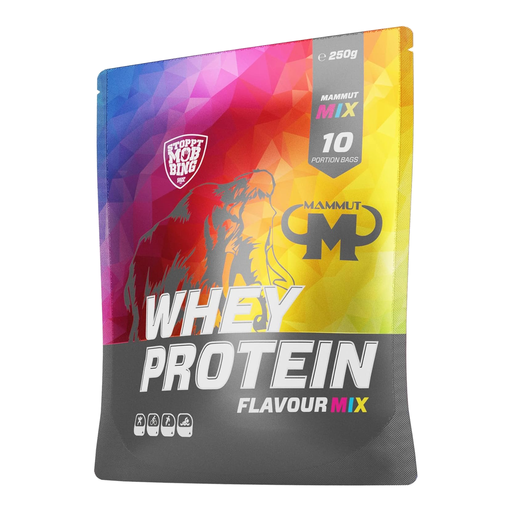
Why this product suits this profile: Ten servings in different flavours make it easier to find one you like, without having to buy a large tub straight away. According to the product description, a 25 g serving provides 27 g of protein.
The individual sachets make the amount per serving clear and reduce the risk of buying a large pack in a flavour you don’t like.
10 × 25 g servings, several flavours and whey protein concentrate as the main ingredient.
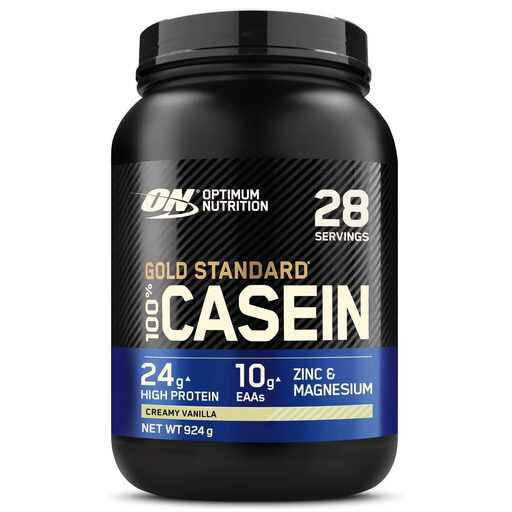
Why this product suits this profile: With 24 g of protein per 33 g serving, this micellar casein is aimed at adults looking for a slow-digesting protein source to have between meals or in the evening.
The nutrition information lists protein, sugar, fat and serving size separately, making it easier to compare the product with whey on a like-for-like basis.
924 g pack, 28 servings, 24 g of protein per serving, plus magnesium and zinc according to the nutrition information.

Why this product suits this profile: This gainer is designed for people who want to include extra calories and carbohydrates in their diet while gaining weight. According to the product information, a serving consists of 90 g of powder mixed with milk.
Its high carbohydrate content of around 80% is clearly stated, so buyers can see that it isn’t a conventional whey product with a high protein content.
A 4.5 kg supply, a blend of carbohydrates and protein, and 518 kcal per serving when made with milk, according to the product information.
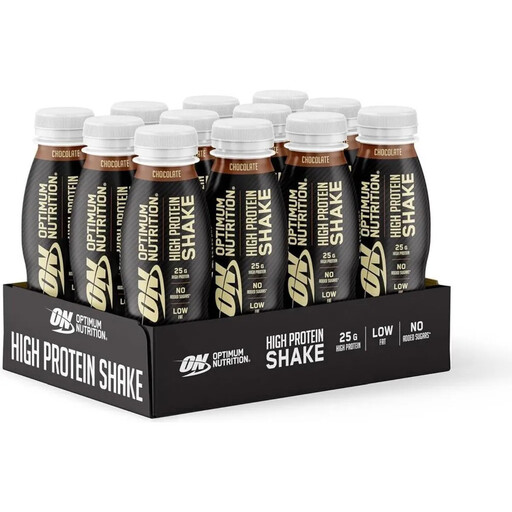
Why this product suits this profile: This ready-to-drink protein shake needs no water or shaker, making it handy at work, in the car or on your way home from the gym.
The nutritional values are given per 330 ml bottle. With 25 g of protein and 185 kcal per bottle, it’s easy to see what each serving provides.
12 individual servings, 25 g of protein per bottle and a low fat content according to the product information.
We’ve put together a complete, regularly updated list of products that meet these strict selection criteria and comply fully with the safety regulations applicable in the EU.
Check the best-before date and the packaging instructions. Once opened, store the powder in a cool, dry place, away from light, and keep the pack tightly sealed. Moisture can affect its consistency and how well it mixes. Don’t use the product if it has an unusual smell, has become lumpy due to dampness or is in damaged packaging.
Both provide protein, but they differ in their protein source and digestion rate. Whey is often used straight after training, while casein is more commonly taken between meals or in the evening. Your personal dietary routine, tolerance and the nutritional values of the specific product are what matter.
A meal replacement shake can be handy when you can’t get a proper meal while you’re out. Check its calories, protein, fat, carbohydrates, fibre and micronutrients. A shake doesn’t automatically replace every balanced meal and isn’t intended to be your sole source of nutrition.