
Lieferung heute & morgen

Qualitätsgarantie

Willkommens-Angebote freischalten: KOSTENLOSE Lieferung | Bis zu 80 % RABATT | Kostenlose 30-Tage-JoyPlus-Testphase
App herunterladen
If you’re looking to buy protein powder, you’ll find plenty of options in similar-looking packaging, but with very different ingredients, serving sizes and protein sources. A high price or distinctive flavour alone tells you little about whether a product suits your needs. What matters is the nutritional information, ingredients list, how well you tolerate it and how you plan to use it.
The following selection from the Joybuy Product Recommendation Officer can help you avoid common buying mistakes and choose a protein powder that fits your daily routine.
A product may claim to be “high in protein” even if its serving size is very large. So don’t just compare the number of grams per serving: check the figure per 100 g as well. This makes it easier to compare whey protein, vegan protein powder and multi-source blends on a like-for-like basis.
Chocolate protein powder can taste very different depending on the amount of cocoa, flavourings and sweeteners used. Sucralose, acesulfame K and steviol glycosides aren’t interchangeable if you’re looking to avoid specific ingredients. Less sweet products may also need an additional sweetener.
Whey protein and whey protein powder are made from milk, so they’re not suitable for people with a milk allergy. Plant-based protein may be made from soya, peas, rice, sunflower seeds, wheat or almonds. If you need to avoid allergens, check the full ingredients and allergen information on the packaging.
Whey protein is made from milk and is often available as a concentrate, an isolate or a blend with hydrolysed ingredients. An isolate may have a higher protein content, while blends combine different forms of protein.
Vegan protein powder, by contrast, is made from plant-based sources. Blends of soya, pea, rice or sunflower protein are often used to combine different amino acid profiles. A plant-based recipe isn’t automatically allergen-free: it may still contain soya, gluten or almonds.
Check these three figures:
For example, according to product information, various Optimum Nutrition whey products provide around 23.7 to 24 g of protein per 30 g serving. Mammut Whey Protein has a stated serving size of 25 g; in some cases, the protein amount in the product description is given in relation to milk. So check whether the nutritional information applies to the powder alone or to the prepared protein shake.
A 1 kg protein powder pack is often more practical for regular users than several smaller packs. If you only use it occasionally or aren’t sure about the flavour, a 30 g sample can help reduce the risk of a disappointing purchase. Large tubs also need to be stored somewhere dry and away from light, and used after opening in line with the manufacturer’s instructions.
For a rough cost estimate, use this simple calculation:
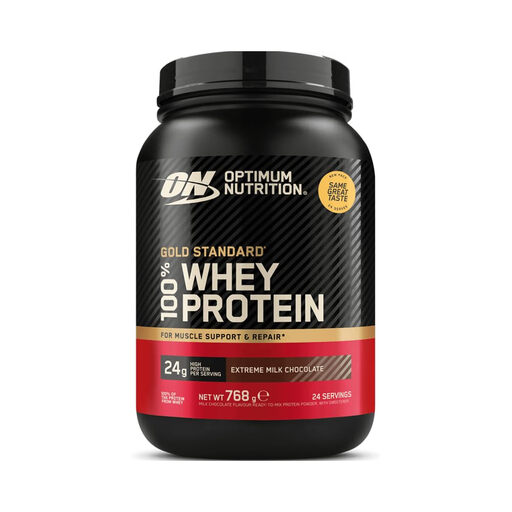
Why it suits this profile: The 30 g serving can be mixed with 200–300 ml of water or milk for a simple protein shake. According to the product information, it contains 23.7 g of protein and 113 kcal.
The protein content is clearly stated for both the powder and the serving. The ingredients list also specifies whey isolate, concentrate and hydrolysed whey.
30 g serving, chocolate flavour and 79 g of protein per 100 g, according to the product information.
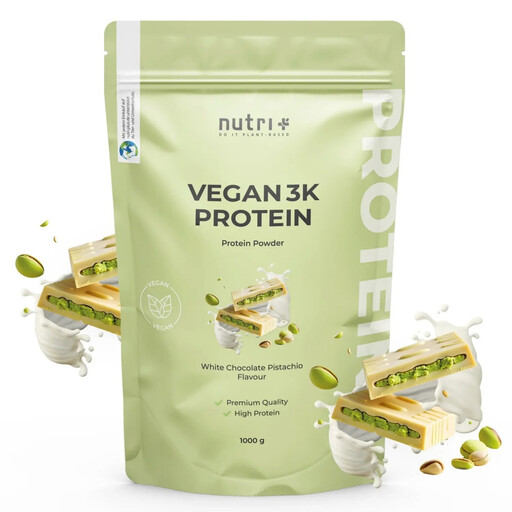
Why it suits this profile: The recipe combines soya, pea and sunflower protein, making it a good option for people who prefer a plant-based protein source.
The plant-based protein sources are clearly named, making it easier to check whether the recipe meets your dietary and allergen requirements.
1 kg pack, 23 g of protein per 30 g serving according to the product information, and preparation with 350–400 ml of liquid.
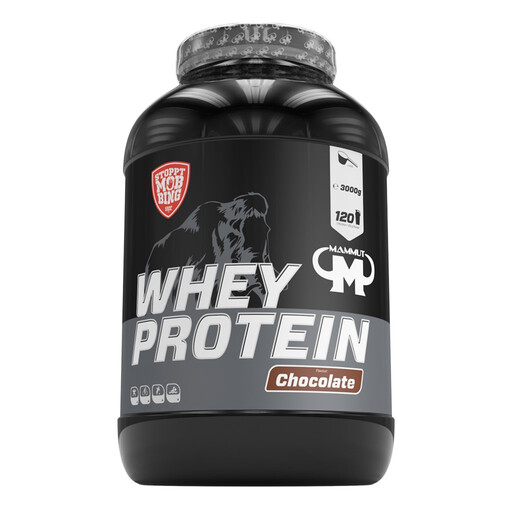
Why it suits this profile: The 3 kg tub is designed for regular use. According to the product description, it contains 120 servings at the recommended serving size of 25 g.
The serving size and total quantity are stated. After opening, store the pack in a dry place, tightly closed and away from light.
Large pack, chocolate flavour and 27 g of protein per serving, according to the product information.
We’ve put together a complete, regularly updated list of products that meet these strict selection criteria and fully comply with the safety regulations in force in the EU.
Mix protein powder according to the manufacturer’s instructions. Water usually makes a lighter shake, while milk or a plant-based drink changes the flavour, consistency and nutritional values. Having protein after a workout can be convenient, but it doesn’t have to be tied to that particular time. Your overall diet is what matters.
If you have a milk, soya, gluten or nut allergy, check the ingredients list carefully. Food supplements are no substitute for a balanced and varied diet. If you have a medical condition, take medication, are pregnant or are breastfeeding, speak to a healthcare professional before using this product.
Check the best-before date and the manufacturer’s instructions. Store the pack in a cool, dry place, tightly closed and away from direct light. Moisture can affect the texture and quality. If the product smells or tastes unusual, or shows visible changes, don’t use it.
It depends on your diet, how well you tolerate it and your personal preference. Whey protein comes from milk and is available in many forms for making protein shakes. Vegan protein powder uses plant-based sources and may suit a vegan or dairy-free diet. The specific ingredients and allergen information matter more than the product name alone.
Follow the recommended serving size on the product and don’t exceed it. Serving sizes are often listed as 25 or 30 g. How much extra protein you may need depends on your body weight, activity level, diet and individual protein requirements. Treat protein powder as a supplement, not a replacement for regular meals.