
Lieferung heute & morgen

Qualitätsgarantie

Willkommens-Angebote freischalten: KOSTENLOSE Lieferung | Bis zu 80 % RABATT | Kostenlose 30-Tage-JoyPlus-Testphase
App herunterladen
If you’re looking to buy protein powder, you’ll find plenty of products with similar packaging, flavours and marketing claims. The differences often lie in the details: the protein source, nutritional values per serving, allergens, pack size and how easily it mixes all affect whether a product fits into your daily routine.
For adults, strength trainers and active people, three common buying concerns are especially relevant:
Whey protein is made from milk. When choosing whey protein powder, it’s worth checking the exact blend. A product may contain whey protein concentrate, whey protein isolate and hydrolysed whey, for example. Isolate often appears near the top of the ingredients list, but that doesn’t automatically make it the right choice for everyone.
Multi-source protein, on the other hand, combines different sources, such as milk, whey, egg and soya protein. This may appeal to people who prefer a blend of protein sources in one product. If you follow a vegetarian diet, check the full ingredients list and allergen information too. ‘Vegetarian’ doesn’t automatically mean dairy-free or lactose-free.
Always compare:
A protein powder with around 75 to 80 g of protein per 100 g can be a practical addition for many people. The other nutritional values still matter, though. Check the sugar, carbohydrates, fat, salt and calories per serving.
For example, Optimum Nutrition Gold Standard 100% Whey lists 24 g of protein and 113 kcal per 30 g serving. Values may vary slightly depending on the flavour, so always check the information on the specific product packaging.
It’s also worth reading the ingredients list for products labelled ‘no added sugar’ or ‘low sugar’. Sweeteners such as sucralose, steviol glycosides, acesulfame K or sugar alcohols may affect people differently, depending on their personal tolerance. If you have a sensitive digestive system, it may be best to start with a smaller pack.
Milk and soya are among the allergens that must be declared on many protein powders. Multi-source products may also contain egg or gluten-containing ingredients. Checking allergen information is particularly important if you have an intolerance or allergy.
For everyday use, also consider:
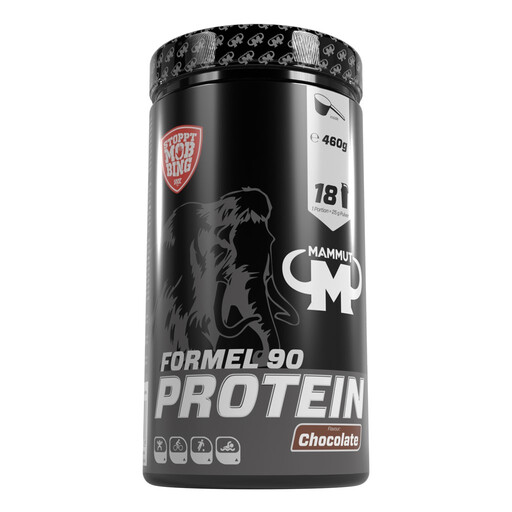
Why it suits this profile: The smaller pack offers a manageable introduction to a chocolate-flavoured multi-source protein. According to the product information, one serving contains 29 g of protein; the recommended serving is 25 g of powder.
The manageable pack size reduces the risk of being left with a large tub of a flavour you don’t like. The ingredients list identifies soya, milk, egg and gluten-containing ingredients.
Four protein sources, a vegetarian product description and a clearly stated serving suggestion. The product is intended for adults.
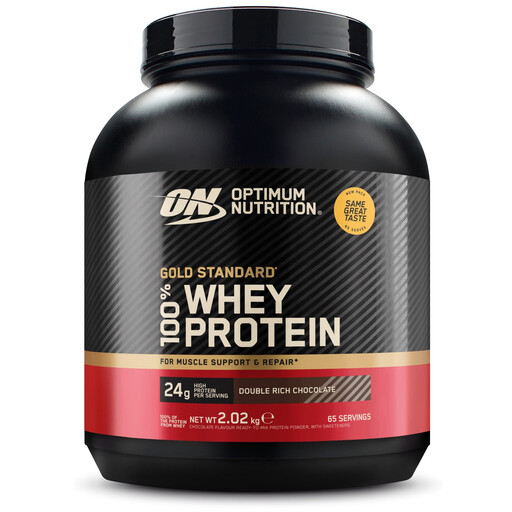
Why it suits this profile: According to the product information, this whey protein powder combines whey isolate, concentrate and hydrolysed whey. Each 30 g serving contains 24 g of protein and 113 kcal.
Nutritional values are given both per 100 g and per serving, making it easier to compare this product with other protein powders using the same measures.
Large 2020 g pack, 79 g of protein per 100 g according to the product information, and suitable for shakes, smoothies, porridge or baking.
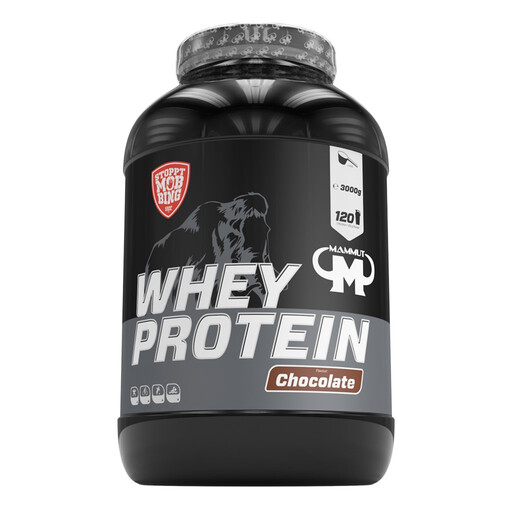
Why it suits this profile: The 3 kg tub is aimed at people who make protein shakes regularly. According to the product description, a 25 g serving provides 27 g of protein when prepared with semi-skimmed milk.
The recommended amount of powder and preparation instructions for water or milk are clearly stated. To keep it for longer, make sure the tub stays dry and sealed after each use.
Large pack, chocolate flavour, measuring scoop and, according to the product information, good mixability with water or milk.
We’ve put together a complete, regularly updated list of products that meet these strict selection criteria and fully comply with the safety regulations in force in the EU.
To make a protein shake, mix the powder with water or milk as directed on the packaging. A shaker makes preparation easier, while a blender can be useful for ingredients such as oats or fruit. You can have a shake after a workout, as a snack between meals or at another point in your day.
Your overall diet is what matters most. Protein powder is not a substitute for a varied diet and should be used according to the recommended serving size. If you have a medical condition, take medication, are pregnant or are unsure about your personal protein intake, it’s a good idea to speak to a doctor.
The best-before date is shown on the packaging. Once opened, store the powder in a cool, dry place away from light, and keep it tightly sealed. Some product information recommends using opened packs within three or four months. Always follow the instructions on the specific product packaging.
Whey protein comes from milk, so it isn’t suitable if you have a milk allergy. Some products may also contain lactose. The ingredients and allergen information will tell you whether the product contains milk, soya, egg or other ingredients. If you experience any symptoms, stop using the product and seek medical advice.
A protein shake can be a convenient way to top up your daily protein intake after a workout. However, the product information doesn’t point to a specific time when you must have it. What matters more is choosing a suitable serving size, making sure you tolerate it well and fitting it into your overall diet.