
Lieferung heute & morgen

Qualitätsgarantie

Willkommens-Angebote freischalten: KOSTENLOSE Lieferung | Bis zu 80 % RABATT | Kostenlose 30-Tage-JoyPlus-Testphase
App herunterladen
If you want to buy protein powder, you’ll find a wide choice of whey protein, vegan protein powder, ready-to-drink protein shakes and meal-replacement products from German online retailers. But the differences go beyond flavour. The protein source, nutritional values, allergens, serving size and intended use all determine whether a product really suits your day-to-day routine.
That’s why the Joybuy Product Recommendation Officer’s selection focuses on clear product information rather than blanket marketing claims.
A product may advertise a high protein content per 100 grams, even though the actual serving is much smaller. So always compare both figures:
Protein powder for muscle building is no substitute for a balanced diet. It can simply be a convenient addition if it’s difficult to plan your daily protein intake using everyday foods alone.
Vegan protein powder isn’t automatically the right choice for everyone. Plant-based blends often contain several protein sources, such as soya, pea, sunflower, rice or wheat. This means their taste, how easily they mix and their allergen profiles can vary.
Check the full ingredients list. Even plant-based protein powder can contain sweeteners, flavourings or allergens. If you have a soya, gluten or nut intolerance, the information on the packaging is what matters.
A standard protein shake mainly provides protein and is usually mixed with water or milk. A meal-replacement shake, on the other hand, is designed to replace a meal and may also contain carbohydrates, fats, fibre, vitamins and minerals.
So a ready-to-drink shake with several hundred kilocalories isn’t automatically suitable for every post-workout situation. What matters is whether you need extra protein or a complete, portioned meal.
Whey protein is made from whey and contains milk. Depending on the product, it may contain whey concentrate, whey isolate or hydrolysed whey. If you have a lactose intolerance or milk allergy, check the allergen information.
Vegan protein powder can be made from a single source or a blend. The products featured here clearly list blends of soya, pea and sunflower protein. If you want to avoid wheat, check the ingredients list carefully, particularly for products containing several protein sources.
For a daily protein shake, these figures are particularly useful:
Low-sugar protein powder can be a good choice if you want the flexibility to mix your shake with water, milk or a low-calorie drink. For a meal-replacement shake, calories, fibre and the micronutrients it contains are also important.
Check how much liquid the product instructions recommend. For example, Nutri+ products are mixed using 30 grams of powder and around 300 to 400 millilitres of liquid. Using more liquid can change the consistency and strength of the flavour.
If you’re looking for protein powder in different flavours, it’s worth starting with a smaller pack. That way, you won’t be left with a large supply you don’t use. Unopened powder should be stored in a cool, dry place away from direct sunlight. Once opened, follow the storage instructions on the packaging.
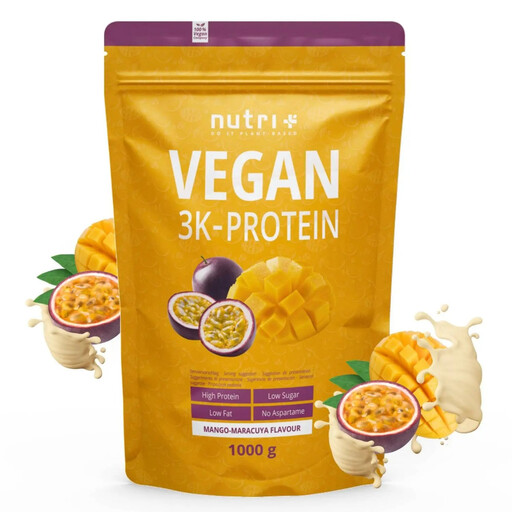
Why this product suits this profile: The 1 kg pack is a good choice if you want to make vegan protein powder part of your regular routine. According to the product information, a 30-gram serving provides 25 grams of protein.
The protein content is listed per serving. The ingredients list clearly identifies the blend of soya, pea and sunflower proteins.
Vegan; 25 grams of protein per 30-gram serving; mix with 350 to 400 millilitres of liquid.
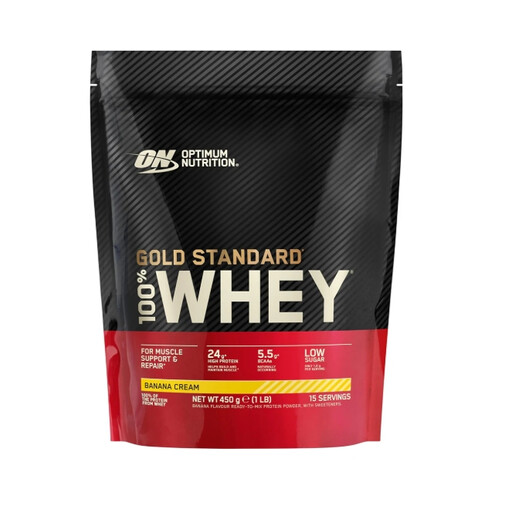
Why this product suits this profile: According to the product information, this whey combines whey isolate, whey concentrate and hydrolysed whey. A 31-gram serving contains 24 grams of protein.
Nutritional values are provided both per 100 grams and per 31-gram serving. With 0.7 grams of sugar per serving, it’s easy to check the figure for yourself.
24 grams of protein per serving; 450-gram pouch; 115 kilocalories per serving according to the product information.
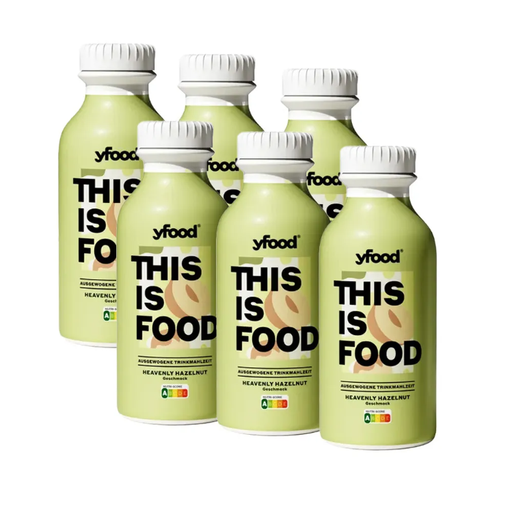
Why this product suits this profile: This ready-to-drink 0.5-litre shake is designed for days out, travelling or busy workdays when you need a portioned meal without a shaker.
Each bottle is already portioned. At 500 kilocalories and 33 grams of protein per bottle, it’s clear this is more than just a small protein shake.
Ready to drink; 33 grams of protein per bottle; according to the product information, it can be stored unrefrigerated when unopened and is gluten-free at under 20 ppm.
A protein shake after a workout can be handy if a regular meal isn’t immediately available. If you simply want to top up your protein, choose a powder that you mix with water or milk. A meal-replacement shake provides extra energy and other nutrients, so you should factor it into your daily food plan.
Several Nutri+ products recommend consuming them “up to two hours after training” in their usage instructions. This isn’t medical advice. Your own diet, training volume and the information on the product label are what matter.
We’ve put together a complete, regularly updated list of products that meet these strict selection criteria and fully comply with the safety regulations in force in the EU.
The best-before date applies to unopened packaging. Once opened, store the powder in a dry place, seal it tightly and keep it away from heat. Don’t use it if its smell or taste has changed, or if you can see clumps.
The serving size depends on the product. It’s often between 25 and 31 grams of powder. Follow the dosing instructions on the packaging rather than relying on the size of the scoop provided. You won’t automatically need an extra serving if your diet already provides enough protein each day.
To work it out, divide the purchase price by the number of servings listed. For ready-to-drink products, divide the pack price by the number of bottles it contains. You may also need to factor in the cost of milk, plant-based drinks or other ingredients. This gives you a fairer comparison between a powder shake and a ready-made high-protein shake.