
Lieferung heute & morgen

Qualitätsgarantie

Willkommens-Angebote freischalten: KOSTENLOSE Lieferung | Bis zu 80 % RABATT | Kostenlose 30-Tage-JoyPlus-Testphase
App herunterladen
Anyone looking to buy protein powder will quickly find a wide selection of whey protein, weight gainers, vegan protein powder and ready-made protein shake mixes. The most important question, however, is not which bag has the most eye-catching advertising, but which product matches your calorie and protein requirements.
As a Joybuy Product Recommendation Officer, I therefore filter the information using clear, understandable criteria. Three common purchasing misconceptions particularly often lead to unnecessary spending:
For a classic protein powder for muscle building and everyday use, the protein content per 100 g is an important comparison figure. The available products show clear differences:
A protein shake made with water contains fewer calories than one prepared with milk. If you want to supplement your daily protein intake, you should therefore include the liquid in your calorie planning.
A weight gainer has a different purpose: these formulations generally contain significantly more carbohydrates than classic whey protein. For example, Mammut Nutrition Crash Weight Gainer Chocolate provides 366 kcal and 11 g of protein per 100 g of powder. The stated serving of 90 g with milk provides 518 kcal. Optimum Nutrition Serious Mass contains more than 1,250 kcal and 50 g of protein per large serving. Such products may be useful for people with high energy requirements or difficulty consuming enough calories, but they are not automatically suitable for everyday use by everyone.
Before buying, you should be able to clearly identify the protein sources. Whey protein is based on milk protein and is therefore unsuitable for people with a milk allergy. A multi-component product may also contain soya, egg or gluten.
The following details are particularly relevant:
The allergen information should be checked against the ingredients list and the details on the packaging. Food supplements are not a substitute for a varied diet. If you have a known medical condition, take medication, are pregnant or are unsure whether a product is suitable for you, it is advisable to seek medical advice.
A 300-g bag with 30-g servings is suitable for trying out a flavour. Larger packs, such as 3 kg or 4,5 kg, may be more practical for regular users, but they tie up more money and should only be purchased after checking how well you tolerate the product.
Serving size is also crucial for a mass gainer. According to the product information, Optimum Nutrition Serious Mass is prepared with around 334 to 340 g of powder per serving. The recommended amount for Mammut Crash Weight Gainer is 70 or 90 g, depending on the pack variant. A “per serving” comparison is therefore only useful if the amount of powder and liquid is considered on an identical basis.
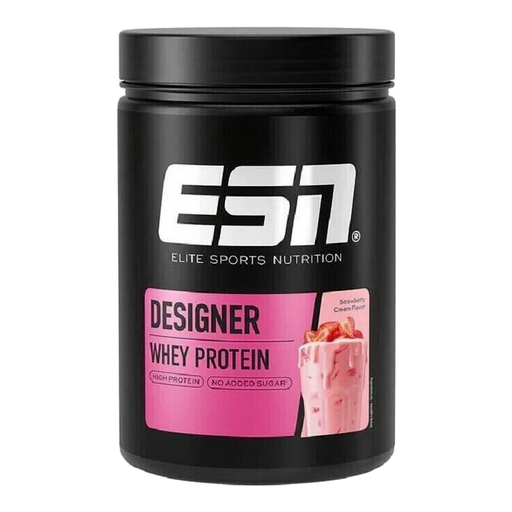
Why this product matches the profile: The 300-g pack offers an accessible way to try whey protein. One serving is prepared with 30 g of powder and around 200 ml of water or semi-skimmed milk.
The nutritional values are stated per 100 g; for the listed variety, this is 76 g of protein. This makes it easier to assess the actual amount of protein.
Whey protein blend made from concentrate and isolate, 300-g pack and Strawberry Cream flavour.
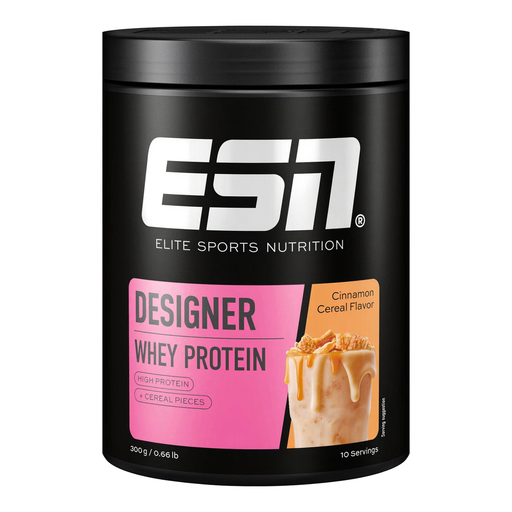
Why this product matches the profile: According to the product information, the formulation contains 91% whey protein blend and around 71 g of protein per 100 g. Cereal pieces provide a different texture.
In addition to whey, the ingredients list includes wheat, barley and soya. This allows you to check allergens specifically before buying.
Whey concentrate and isolate, 30-g serving, with no added sugar according to the product description.

Why this product matches the profile: The large pack is aimed at people who regularly use a weight gainer to supplement meals or around intensive training sessions.
The information provides values both per 100 g and for a serving with milk. This makes it possible to track the calorie contribution of the powder and drink separately.
80% carbohydrates according to the product information, four-component protein blend and 1,000 mg creatine monohydrate per 100 g.
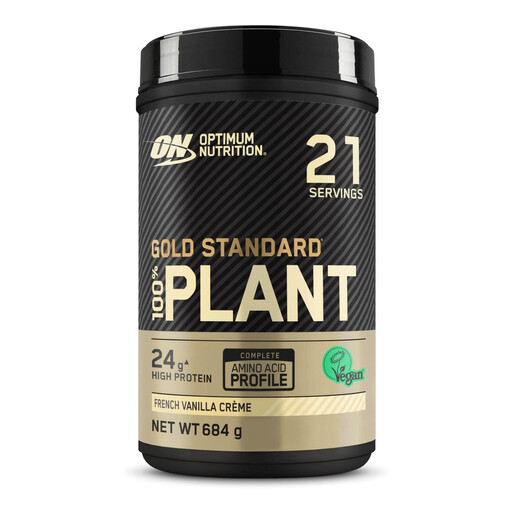
Why this product matches the profile: According to the product information, this vegan protein powder combines pea and rice protein. One 36-g serving is prepared with 180 to 240 ml of water.
The protein sources are listed as plant-based. However, you should still check the warnings about possible traces of egg, gluten and peanuts.
Pea and rice protein, 684-g pack and, according to the product information, free from milk and soya.
We have put together a complete, regularly updated list of products that fully meet these strict selection criteria and the safety regulations applicable in the EU.
A protein shake should be measured according to the product instructions. For whey products, 25 to 30 g of powder per serving is standard. The powder can be mixed with water, milk or a plant-based drink. Water reduces the additional calorie and fat content, while milk changes the nutritional values of the serving.
A weight gainer or mass gainer should initially be tested in a smaller quantity, as large servings can provide several hundred to more than 1,000 kcal. What matters is your overall daily diet, not just the shake. If you use creatine protein powder, you must also take your total creatine intake from other products into account.
This depends on the packaging and the manufacturer’s instructions. Several of the products mentioned recommend storing the powder in a dry place protected from light at below around 25 °C and using it within three to four months of opening. The bag or container should be sealed securely after every use.
Whey protein primarily provides protein, but comparatively few additional calories. For targeted weight gain, a weight gainer with a higher carbohydrate content may be more suitable. Alternatively, you can combine a whey shake with milk, porridge oats or a meal. The right choice depends on your individual calorie requirements.
The recommended amount is stated on the individual product. One to three servings are often suggested, while some products limit the recommendation to one serving. Protein powder should supplement your diet rather than serve as your sole source of protein. If you have existing health issues, it is advisable to seek medical advice before taking it.