
Lieferung heute & morgen

Qualitätsgarantie

Willkommens-Angebote freischalten: KOSTENLOSE Lieferung | Bis zu 80 % RABATT | Kostenlose 30-Tage-JoyPlus-Testphase
App herunterladen
The sports nutrition market can be overwhelming. Anyone looking for the right protein powder for muscle growth is often confronted with aggressive marketing claims and a plethora of products. But not every powder delivers on its promises. Many athletes invest in products that are unsuitable for their goals or whose prices are inflated by unnecessary additives.
As your Joybuy Product Recommendation Officer, I'm here to help you navigate these pitfalls. This guide will show you what to look for to make an informed decision that supports your training success—without unnecessarily straining your wallet.
Before we dive into the important parameters, let's uncover the typical marketing traps that lead to bad purchases:
To make the right choice, you should understand three fundamental aspects. These will help you correctly interpret product information and find the right powder for your needs.
The type of protein determines how quickly it is absorbed by the body and for what purpose it is best suited.
Always take a close look at the nutrition table per 100g of powder:
Amino acids are the building blocks of protein. Especially important for muscle growth are the branched-chain amino acids (BCAAs): leucine, isoleucine, and valine. A high-quality protein powder naturally has a high BCAA content. This information is often found on the label or in the product description and is an indicator of the quality of the protein source.
Here are some product recommendations tailored to different requirement profiles.
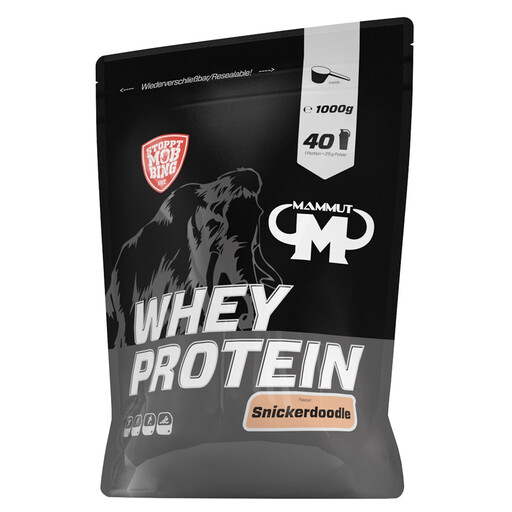
Why This Fits Their Persona: Ideal for athletes seeking a fast and reliable source of protein after a workout without paying for unnecessary extras. It focuses on the essentials: high-quality whey protein to support muscle growth.
This product avoids expensive additives and focuses on a solid foundation of whey protein concentrate. The nutritional information is transparent and based on the powder itself.
Offers 27g of protein per serving and a high natural BCAA content, according to the manufacturer. Its good solubility makes preparation quick and easy.
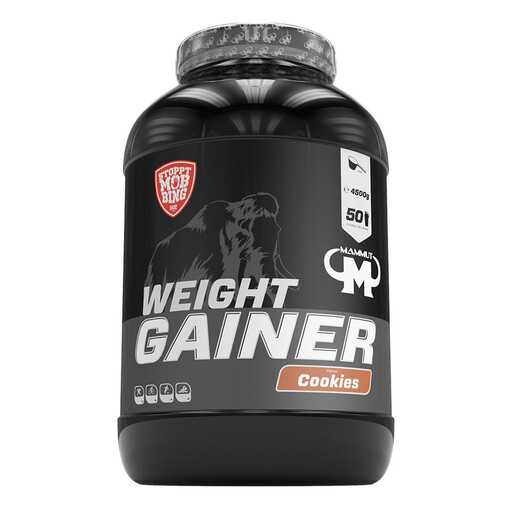
Why This Fits Their Persona: Specifically developed for athletes who struggle to achieve a calorie surplus. This shake delivers a high density of carbohydrates and protein to effectively support weight gain and mass building.
This product is clearly positioned as a Weight Gainer and is not deceptive about its purpose. The high carbohydrate content of 80% is its central feature, not a hidden drawback.
Combines a 3-component carbohydrate complex with a 4-component protein complex for a staggered nutrient release. Delivers a high calorie count per shake.
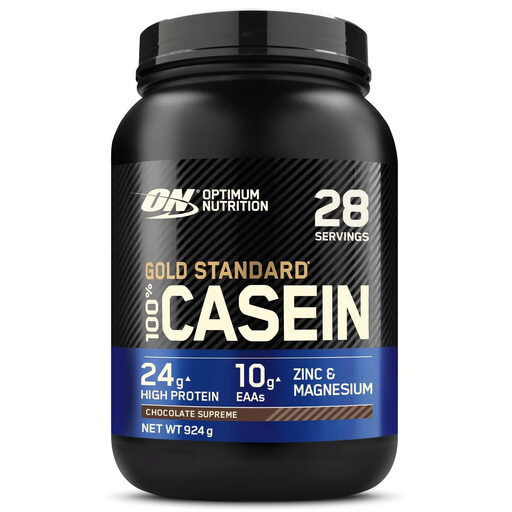
Why This Fits Their Persona: Perfect for ambitious athletes who want to maximize their muscle recovery. Ideal as the final meal before bed to supply the body with protein overnight and prevent muscle breakdown.
This is a specialty product with a clear use case. It doesn't try to be a one-size-fits-all solution but instead performs a specific function—slow protein delivery—with high efficiency.
Consists of 100% micellar casein, according to the manufacturer, which allows for a delayed amino acid release over 6–8 hours. It is also low in sugar and fat.
We have compiled a complete, up-to-date list of products that fully meet these strict selection criteria and German regulations.
1. What is the difference between whey protein and casein protein? The main difference lies in the digestion speed. Whey protein is absorbed quickly (approx. 30–60 minutes), making it ideal for post-workout. Casein protein is digested slowly over several hours (up to 8 hours) and is optimal for providing the body with a long-lasting supply of protein overnight or between meals.
2. When should I drink a protein shake? That depends on the type of protein and your goal:
3. Does protein powder really help with weight gain? Protein powder alone does not necessarily lead to weight gain. The crucial factor is your total calorie balance. To gain weight, you must consume more calories than you burn. A protein shake for weight gain, also called a Weight Gainer, helps with this because it provides a lot of carbohydrates and thus calories in addition to protein. In contrast, a pure whey protein in a calorie-controlled diet supports the building of lean muscle mass.