
Lieferung heute & morgen

Qualitätsgarantie

Willkommens-Angebote freischalten: KOSTENLOSE Lieferung | Bis zu 80 % RABATT | Kostenlose 30-Tage-JoyPlus-Testphase
App herunterladen
The protein powder market is overwhelming. Countless brands, various protein sources, and aggressive marketing claims make choosing difficult. Many consumers invest in products that don't meet their expectations because they fall for common pitfalls. This guide will help you identify the key quality markers and make an informed decision.
The most common problems when buying are:
To avoid these pitfalls, you should check three key parameters before buying.
Instead of being swayed by marketing messages, focus on the objective facts. The following three criteria are crucial for the quality and effectiveness of a protein powder.
The type of protein determines how quickly it's absorbed by the body and what purposes it's best suited for.
A short and transparent ingredient list is often a sign of a high-quality product. Pay attention to the following points:
Your personal goal determines the product choice. For pure protein for muscle building, a classic Whey Protein or Vegan Protein Powder is ideal. However, those who have difficulty gaining weight could benefit from a Mass Gainer. These products contain a high proportion of carbohydrates in addition to protein to facilitate a calorie surplus.
Here are some product recommendations tailored to different needs and goals.
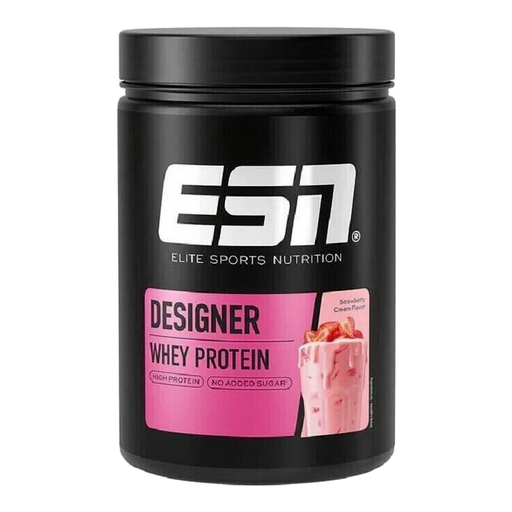
Why This Fits Their Persona: Ideal for anyone looking for a solid, all-round product to get started. The smaller 300g pack allows you to try it without a major investment. Being made in Germany indicates reliable quality standards.
The ingredient list transparently specifies the whey protein blend (concentrate and isolate) without hiding behind vague terms. The sugar content is low.
Offers a high protein content with 76g of protein per 100g. Its good solubility and creamy taste make the shake pleasant to use.
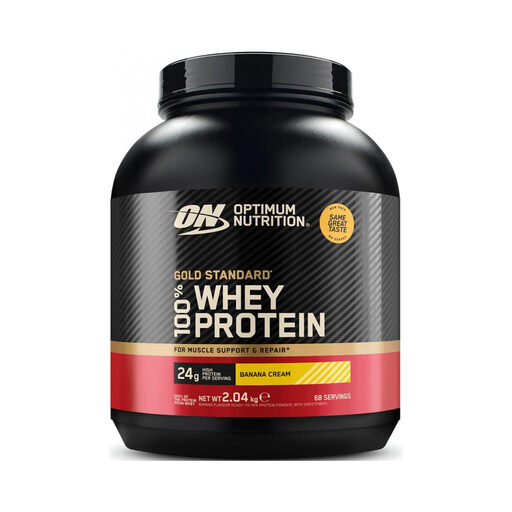
Why This Fits Their Persona: For athletes who value rapid protein delivery after a workout. The high proportion of whey isolate supports quick recovery and muscle growth. The bulk size offers good value for regular use.
This product lists whey protein isolate as its main ingredient, which indicates a high degree of purity. With only 3.3g of sugar per 100g, it avoids unnecessary calories.
Very high protein content of 79g per 100g. Its excellent solubility prevents clumping and ensures a smooth shake.
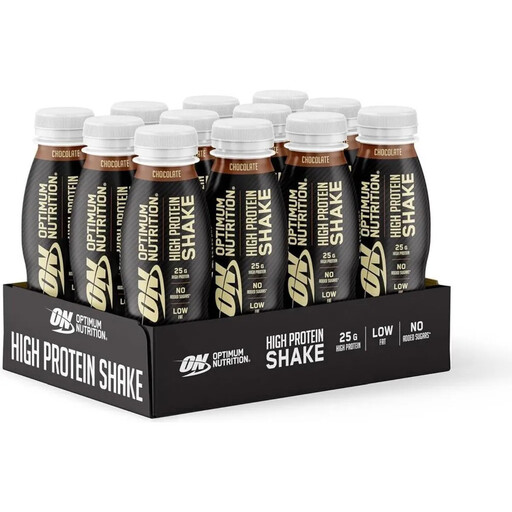
Why This Fits Their Persona: For people with a hectic schedule who need a quick and easy protein source. This ready-made Protein Drink is ideal for on the go, at the office, or right after a workout, with no shaker required.
As a ready-to-drink protein shake, it bypasses the problem of poor powder solubility. The nutritional information is clearly declared, and it contains no added sugar.
Maximum convenience. Each bottle delivers 25g of high-quality protein and is low in fat. Ideal for a quick protein boost without any prep.
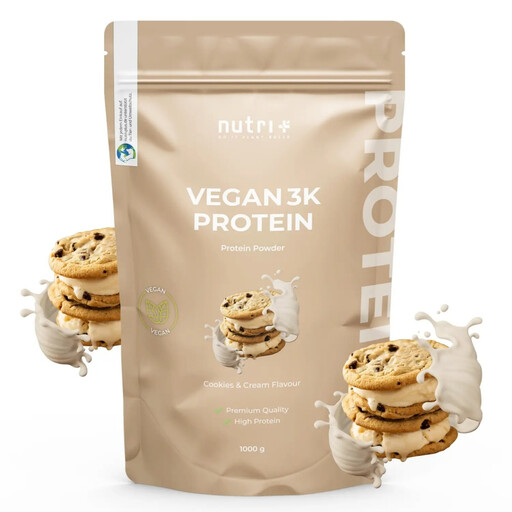
Why This Fits Their Persona: Perfect for individuals who follow a purely plant-based diet and don't want to compromise on protein quality. This powder supports muscle building and recovery completely without animal products.
It combines three different plant-based protein sources (soy, pea, sunflower) to create a complete amino acid profile, compensating for the often lower biological value of single vegan sources.
The multi-component formula ensures a high biological value. With 23g of protein per serving, it provides a solid foundation for vegan sports nutrition.
We have compiled a complete, up-to-date list of products that meet our stringent selection criteria.
You can recognise a high-quality protein powder by its short, transparent ingredient list with the protein source listed first. Look for a high protein content (over 75g per 100g for whey) and a low sugar content. Clear information about the manufacturing location, such as "Made in the UK" or "Made in the USA," can also be an indicator of reliable quality standards.
The optimal time depends on the type of protein and your goal. A fast-digesting protein shake with Whey Protein is ideal within 30–60 minutes after your workout to maximise muscle protein synthesis. A slow-digesting protein like casein is well-suited as a snack between meals or before bed to ensure a continuous protein supply.
Modern vegan protein powders are comparable to whey protein in their effectiveness for supporting muscle growth, provided they have a complete amino acid profile. Many manufacturers achieve this by combining different plant sources (e.g., pea, rice, and hemp protein). For individuals who follow a plant-based diet or avoid dairy, such a multi-component protein powder is an excellent alternative.