
Lieferung heute & morgen

Qualitätsgarantie

Willkommens-Angebote freischalten: KOSTENLOSE Lieferung | Bis zu 80 % RABATT | Kostenlose 30-Tage-JoyPlus-Testphase
App herunterladen
As a Joybuy Product Recommendation Officer, I see daily how overwhelming the market for protein powder can be. Countless brands, various protein sources, and bold marketing claims make the selection process a challenge. Many fitness enthusiasts invest in products that don't optimally support their goals or end up gathering dust in the cupboard because they're unpalatable.
This guide is designed to help you recognise the typical pitfalls and make an informed decision that fits your training goals and your budget.
Before we dive into the important parameters, let's highlight the three most common mistakes that lead to disappointment and wasted money.
To avoid these traps, focus on three verifiable criteria. These will help you objectively evaluate the quality of a protein powder.
The type of protein determines how quickly it is absorbed by the body and for which purposes it is suitable.
If you are looking to buy whey protein, a concentrate is usually an economical and effective choice to start with.
Proteins are made up of amino acids. For muscle building, the essential amino acids (EAAs), which the body cannot produce itself, are crucial. A special role is played by the branched-chain amino acids (BCAAs): leucine, isoleucine, and valine. Leucine, in particular, is considered a key trigger for muscle protein synthesis. A good protein powder should have a complete amino acid profile and a naturally high BCAA content. Products like Mammut Whey Protein or ESN Designer Whey typically state this explicitly.
Take a critical look at the ingredients. A short, understandable list is usually a good sign. Pay attention to:
Instead of conducting a generic protein powder test, we have matched products based on typical user profiles.
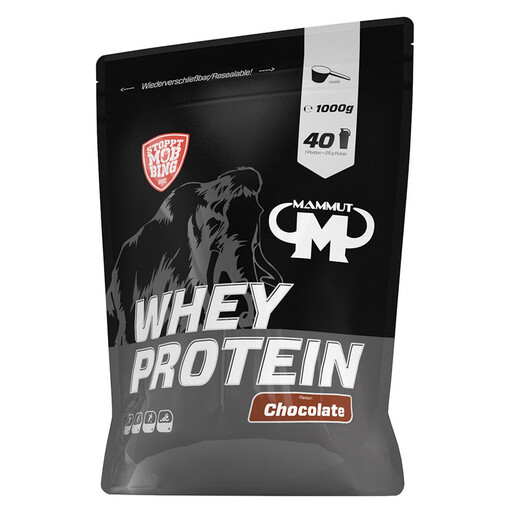
Why This Fits Their Persona: Ideal for athletes seeking a solid and economical foundation for muscle growth. It focuses on the essentials: a pure whey protein concentrate without expensive extras.
This product bypasses the 'premium blend' trap by offering a clear, effective protein source without unnecessary and costly additives.
Provides 27g of protein per serving (in milk) and a naturally high BCAA content, according to the manufacturer. Excellent value for money.
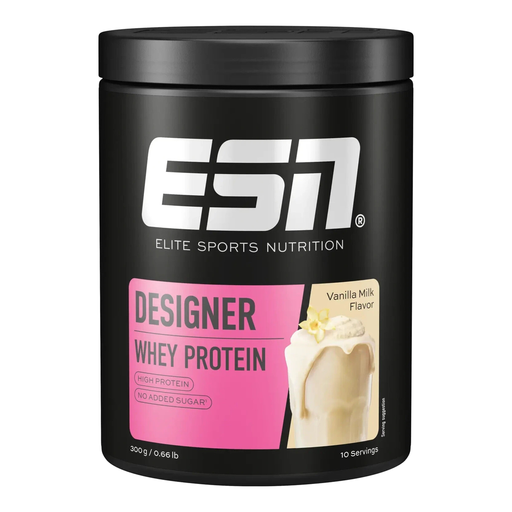
Why This Fits Their Persona: For athletes who value high protein quality and a low carbohydrate and fat content. This blend of concentrate and isolate is well-established in the German fitness scene.
It avoids the misleading claims trap with a clearly declared high protein content of 75g per 100g, achieved through its isolate component.
A combination of fast and medium-release protein. Made in Germany and known for its excellent solubility and taste.
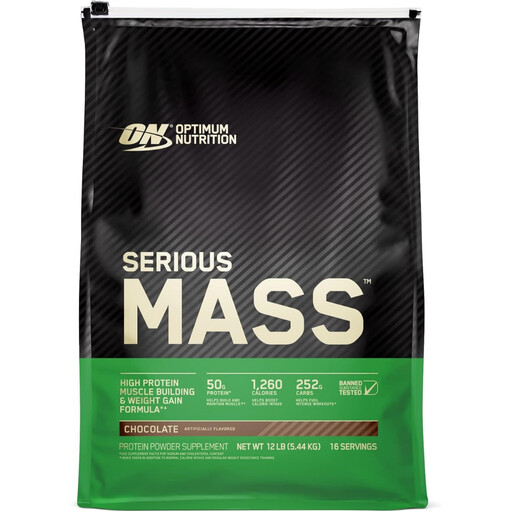
Why This Fits Their Persona: Specifically designed for individuals who struggle to gain weight and muscle mass. It delivers an extremely high density of calories, carbohydrates, and protein.
This product is honest in its positioning. It's not a pure protein powder but a 'weight gainer' that specifically supports a calorie surplus.
Over 1,250 kcal, 50g of protein, and 250g of carbohydrates per serving, according to the manufacturer. Also fortified with creatine, vitamins, and minerals.
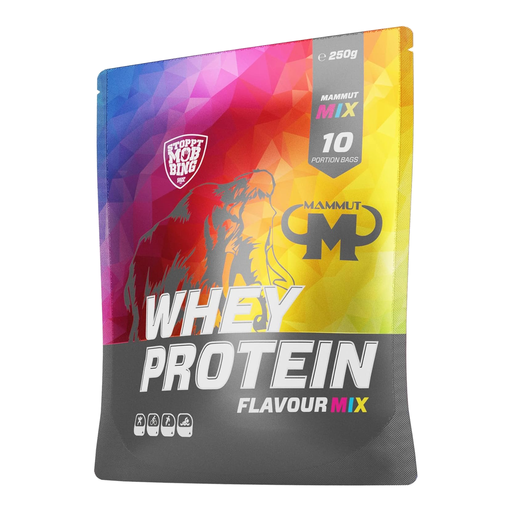
Why This Fits Their Persona: Perfect for anyone who doesn't want to commit to one flavour or wants to find out what they like before buying a large tub.
This is the direct solution to the 'bad taste' trap. Instead of risking a large amount of an unknown flavour, you can sample 10 different varieties here.
Maximum flavour variety in one package. The individual portion sachets are also practical for on-the-go or travel.
We have compiled a complete, real-time list of products that fully satisfy these strict selection criteria and UK safety regulations.
The frequency depends on your individual goals, your overall diet, and your training volume. A common recommendation for strength athletes is to have one shake on training days, ideally within 30-60 minutes post-workout, to support muscle recovery. On non-training days, a shake can help meet your daily protein needs but is not essential if your diet is already rich in protein.
Most modern protein powders are designed to dissolve well in both water and milk. However, the choice of liquid affects the taste, consistency, and nutritional value:
For optimal solubility, using a shaker bottle with a sieve insert or a mixing ball is recommended.
The main difference lies in the manufacturing process and the resulting nutrient profile.