
Lieferung heute & morgen

Qualitätsgarantie

Willkommens-Angebote freischalten: KOSTENLOSE Lieferung | Bis zu 80 % RABATT | Kostenlose 30-Tage-JoyPlus-Testphase
App herunterladen
If you’re looking to buy protein powder, you’ll find plenty of varieties, sizes and flavours on the market. But the differences aren’t just about taste. The protein source, amount of protein per serving, allergens, sweeteners and recommended use all determine whether a product fits into your daily routine.
It’s all too easy to make a poor purchase, especially when it comes to a protein shake after training or a serving of casein before bed. A careful look at the nutritional table and ingredients list helps you separate marketing claims from genuinely relevant product features.
A large serving doesn’t automatically mean a high protein content. So always compare the figures per 100 g and per recommended serving. Serving sizes can vary between manufacturers. For the products listed here, figures range from 22 to 25 g of protein per 30 g serving for vegan blends, and 24 g per serving for the casein products shown.
You should also consider calories, sugar, fat and salt. A product low in fat or sugar may suit certain diet plans, but it doesn’t replace a balanced diet.
Vegan protein powder contains plant-based protein sources, but it can still contain allergens. For example, the Nutri+ blends are based on soya protein isolate, pea protein and sunflower protein. The 6K Protein also contains wheat protein and almond protein. If you need to avoid soya, gluten or nuts, always check the full ingredients and allergen labelling on the packaging.
Whey, vegan protein powder and casein differ in their composition and use. Micellar casein is a slow-digesting milk protein often used between meals or as casein before bed. Plant-based blends, on the other hand, combine several sources, such as soya, pea and sunflower.
The term “3K Protein” usually describes a blend of three protein sources. On its own, it tells you nothing about taste, solubility or how well you’ll tolerate it.
For a vegan diet, plant-based formulas are the right choice. The Nutri+ 3K products combine soya protein isolate, pea protein and sunflower protein, depending on the variant. The Nutri+ 6K Protein adds wheat, rice and almond protein to this base.
Casein protein is derived from milk and is therefore not vegan. According to the ingredients list, the Optimum Nutrition products contain 88 % micellar casein. They are labelled as suitable for vegetarians, but they contain milk and are not suitable for anyone with a milk allergy.
Check at least the following details:
For Optimum Nutrition Gold Standard 100% Casein, a 33 g serving provides 24 g of protein, 115 kcal, 0.8 g of fat and 1.9 g of carbohydrates. The Nutri+ 3K varieties deliver 22 to 25 g of protein per 30 g serving, depending on the flavour. These figures are taken directly from each product’s description or nutritional label.
A protein shake is usually made with water or another liquid in a shaker. According to the product information, the casein powder is mixed with 300 ml of cold water. For the Nutri+ 3K blends, 350 to 400 ml of liquid is recommended. The amount you use affects the consistency and taste, but not the powder quantity stated on the label.
The pack size also affects how practical it is for everyday use. A 924 g tub of casein provides 28 servings, while the 1.82 kg versions are designed for regular users, offering around 55 servings. The powder should be stored in a cool, dry place, tightly sealed.
The following selection groups products by usage situation, protein type, pack size and stated nutritional values. It does not constitute a medical recommendation.
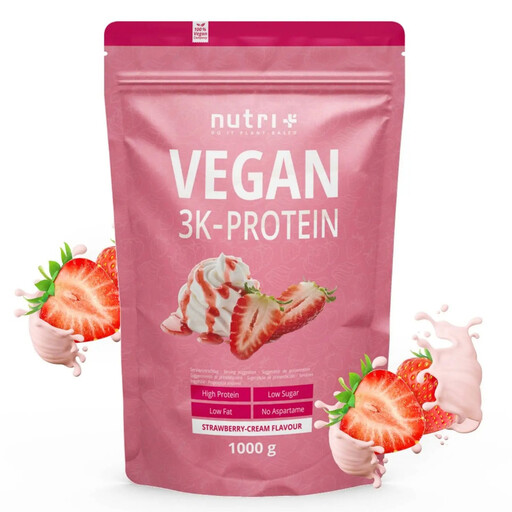
Why this product fits the profile: The 1 kg pack and simple preparation with 30 g of powder make it ideal for anyone wanting to try vegan protein powder regularly.
The formula and protein content of 25 g per 30 g serving are clearly stated, so you can easily compare it with other products.
Three plant-based protein sources; 1 kg pack; preparation with 350 to 400 ml of liquid.
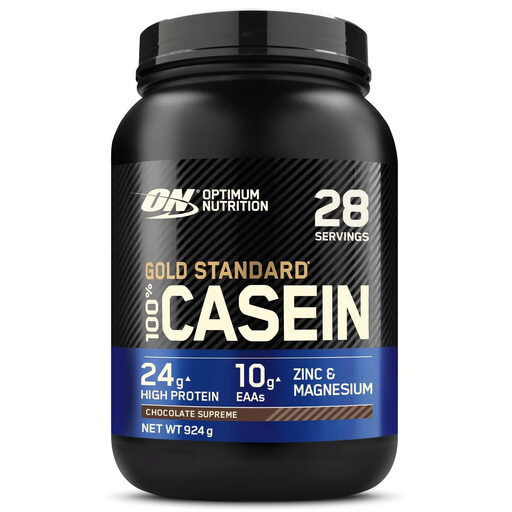
Why this product fits the profile: The product details specify micellar casein, 24 g of protein per 33 g serving, and concrete figures for fat, sugar and minerals.
The type of casein and the recommended serving size are clearly stated. Milk is listed as an allergen, and possible traces of other allergens are declared.
88 % micellar casein according to the ingredients list; 28 servings; 115 kcal and 0.8 g of fat per serving.
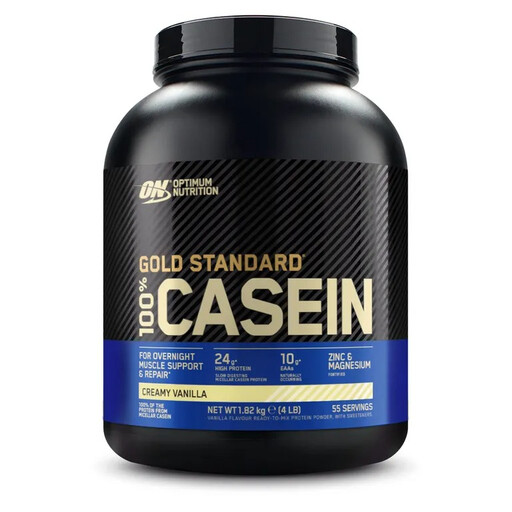
Why this product fits the profile: The large pack with around 55 servings is designed for people who regularly use casein between meals or before bed.
The yield is clear from the pack weight, serving size and number of servings. This makes it easy to calculate regular use.
1.82 kg contents; 24 g of protein per 33 g serving; Creamy Vanilla flavour.
We’ve put together a full, regularly updated list of products that meet these strict selection criteria and fully comply with EU safety regulations.
A protein powder after training can be a practical way to top up your daily protein intake. What really matters is your overall diet throughout the day. The Nutri+ products recommend a 30 g serving and suggest taking it up to two hours after training.
According to the product information, casein protein can be used between meals or before bed. This comes down to your personal daily schedule and tolerance. If you have a milk allergy, intolerance, existing medical conditions, are taking medication, or are unsure about taking it, you should seek medical advice.
The right amount depends on your individual diet, body size, activity level and goals. The product’s consumption recommendation and your total protein intake are the key factors. Depending on the variant, the products mentioned recommend one or up to three servings per day. Protein powder is a food supplement and not a substitute for a varied diet.
Vegan protein powder can contribute to your daily protein intake. When choosing, check the protein content, ingredients, allergens and the combination of several plant-based sources. The Nutri+ 3K blends contain soya, pea and sunflower protein. A balanced diet and a suitable training plan are still essential, regardless of the product.
The best-before date on the packaging is what matters. Once opened, the powder should be stored in a dry, cool place, away from direct sunlight and tightly sealed. A mixed protein shake should be consumed promptly and not kept for long periods.