
Lieferung heute & morgen

Qualitätsgarantie

Willkommens-Angebote freischalten: KOSTENLOSE Lieferung | Bis zu 80 % RABATT | Kostenlose 30-Tage-JoyPlus-Testphase
App herunterladen
Protein powder can be a practical supplement when meeting daily protein requirements through regular meals alone is difficult. However, not every product serves the same purpose for strength athletes, endurance athletes, and active adults. A low-calorie whey protein suits a different nutritional strategy than a weight gainer or a casein protein for evening use.
Your choice should therefore not be based solely on flavour, brand name, or marketing claims. The decisive factors are the nutritional values per serving, the protein source, the ingredients list, allergens, and your intended use.
“25 g of protein” may initially sound clear-cut. However, this figure could refer to a single serving, 100 g of powder, or a prepared protein shake. For a fair comparison, always check:
A whey protein powder providing 24 g of protein per 30 g of powder cannot be directly compared with a weight gainer that delivers plenty of calories but may contain considerably less protein per 100 g.
A product can contain little sugar and still be high in calories, for example because of maltodextrin, dextrose, or large serving sizes. With a mass gainer in particular, you should consider calories, carbohydrates, and serving size together.
Whey protein, casein protein, and milk protein generally contain dairy ingredients. Depending on the recipe, products may also contain soy, egg, oats, wheat, or nuts. Sweeteners such as sucralose or acesulfame K should also be checked in the ingredients list. If you have allergies or intolerances, the information on the packaging is authoritative.
Whey protein is derived from whey and is found in many protein powders. Products may contain whey concentrate, whey isolate, or hydrolysed whey. An isolate often has a higher protein content and less fat or carbohydrates, although the specific recipe is what ultimately matters.
A multi-component protein, for example, combines whey, milk, soy, and egg protein. This may appeal to buyers who prefer several protein sources in a single product. Anyone who needs to avoid dairy or soy should not choose such blends.
For targeted protein intake after training, a classic protein shake powder with a moderate calorie content is often easier to incorporate into your daily nutrition plan. According to the product data provided, Optimum Nutrition Gold Standard 100% Whey delivers 24 g of protein and 113 kcal per 30 g serving. The recipe contains whey isolate, whey concentrate, and hydrolysed whey.
A weight gainer serves a different purpose. Around 80% of the nutritional content of Mammut Nutrition Crash Weight Gainer comes from carbohydrates; the stated calorie values vary depending on the version and preparation method. You should therefore follow the serving size and recommended amount of liquid specified on your own packaging.
Powder is generally versatile: it can be mixed with water or milk and added to porridge, smoothies, or baking recipes. A ready-to-drink protein drink, by contrast, requires no preparation and is ideal for the office, travelling, or the journey home from the gym.
Optimum Nutrition High Protein Shake is supplied in 330 ml bottles and, according to the product data, provides 25 g of protein and 185 kcal per bottle. Once opened, it should be refrigerated and consumed within three days. For ready-to-drink products, storage requirements, the best-before date, and deposit regulations should therefore also be included in the price comparison.
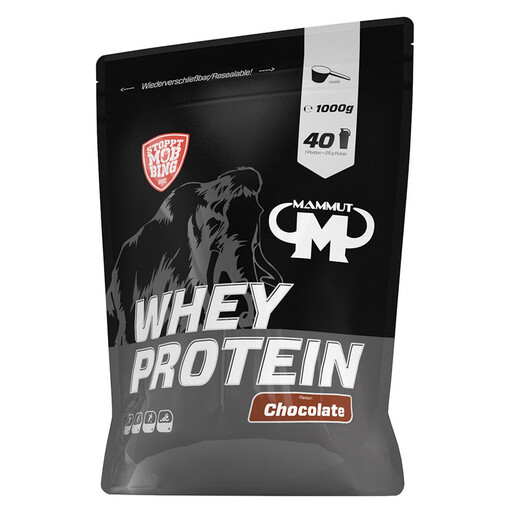
Why it fits: A manageable pack size for athletes who want to introduce a classic whey protein into their daily routine.
Nutritional values are provided per 100 g and per serving, making it easier to assess the actual protein intake.
25 g serving according to the product information, a measuring scoop included, and preparation with water or milk.
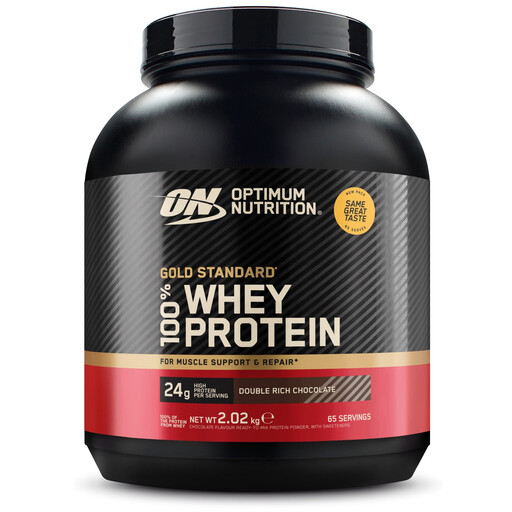
Why it fits: For strength athletes and active adults looking for a clearly stated amount of protein per serving with a moderate energy content.
The values for protein, sugar, carbohydrates, and calories are stated directly in relation to the 30 g serving.
24 g of protein, 113 kcal, and 5.5 g of naturally occurring BCAAs per serving according to the product data.
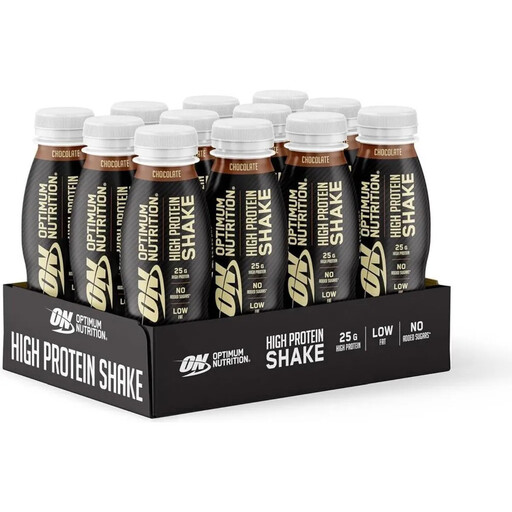
Why it fits: A ready-to-drink protein drink for work, train journeys, or the journey directly after training.
The bottle size and nutritional value per unit prevent confusion between the amount of powder and the finished drink.
25 g of protein and 1.0 g of fat per 330 ml bottle according to the product description; no mixing required.
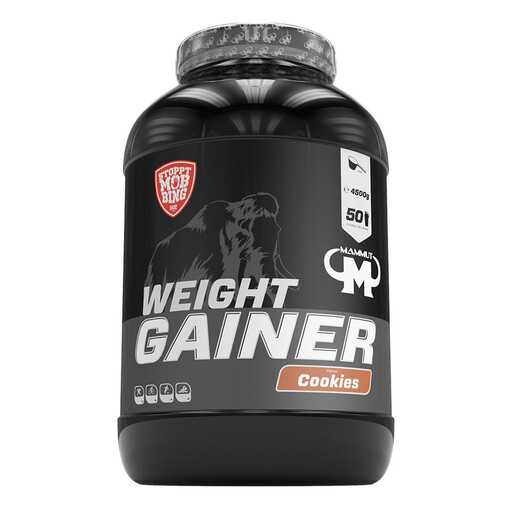
Why it fits: For endurance and strength athletes who want to deliberately add carbohydrates and calories to their regular diet.
The high carbohydrate content makes it clear that this is not a classic low-calorie protein powder.
The complete selection of products for weight management and calorie-conscious shakes offers additional pack sizes, flavours, and formats.
A protein shake is not a substitute for a balanced and varied diet. It can, however, complement a meal when managing protein intake in everyday life is difficult. Mix the powder according to the instructions on the packaging, and remember to include milk, oats, or fruit separately in your calorie calculations.
For a realistic price comparison, divide the pack price by the number of servings. Larger packs often offer a lower price per serving, although the product should be consumed within the stated period after opening and stored in a dry place. A casein protein with 28 servings, for example, may be suitable for regular use; according to the product data, a 33 g serving provides 24 g of protein and 117 kcal.
If you have known allergies, medical conditions, take medication, or are pregnant or breastfeeding, consult a doctor before use. Unless the packaging states otherwise, food supplements are not intended for children.
This depends on the individual product. Use within three to four months is often recommended. Store the powder tightly sealed in a dry, cool place away from direct sunlight. The best-before date and the manufacturer’s instructions are always authoritative.
No. Protein after training can be a convenient way to supplement your daily protein intake. A balanced meal containing protein-rich foods serves the same purpose. What matters is your overall diet, not simply the timing of your protein shake.
Whey protein focuses on providing a comparatively high amount of protein with a moderate calorie content. A weight gainer usually contains considerably more carbohydrates and calories per serving. Choose whey for targeted protein supplementation, and opt for a gainer only when additional energy explicitly fits into your nutritional plan.