
Lieferung heute & morgen

Qualitätsgarantie

Willkommens-Angebote freischalten: KOSTENLOSE Lieferung | Bis zu 80 % RABATT | Kostenlose 30-Tage-JoyPlus-Testphase
App herunterladen
By Joybuy Product Recommendation Officer, July 28, 2026
The market for protein powder for muscle gain is overwhelming. Countless products make bold claims, but not every protein powder delivers on its promise. Many fitness enthusiasts invest in products that fail to produce the desired results due to low-quality ingredients or misleading marketing. Before you buy your next protein powder, it's crucial to understand the most common pitfalls.
Two widespread problems often lead to disappointment:
An effective muscle-building shake is built on high-quality ingredients tailored to your specific goals and dietary needs.
To make an informed decision, you should focus on objective criteria rather than marketing promises. Two factors are of central importance.
The type of protein determines how quickly it is absorbed by the body and what applications it is best suited for.
A short and understandable ingredients list is usually a good sign. Pay attention to the following points:
Based on these objective criteria, we have compiled a selection of products suitable for different user profiles and goals.
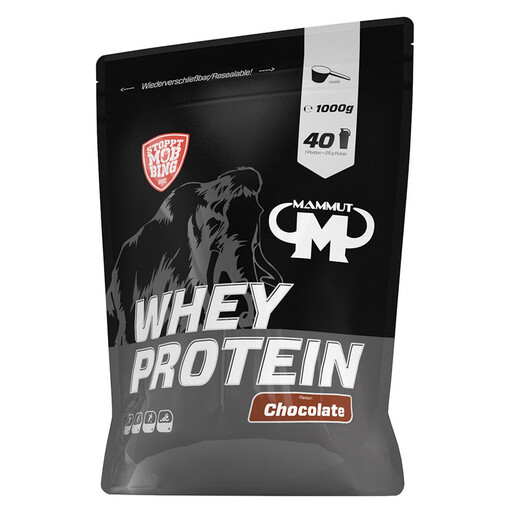
Why This Fits Their Persona: This product provides a solid foundation for anyone starting with strength training who wants to increase their protein intake without a large investment. It focuses on the essentials: a pure whey protein concentrate.
It avoids a complex and expensive blend of different proteins, instead offering a transparent formula based on whey concentrate without hidden fillers.
According to the manufacturer, it provides 27 g of protein per serving (when mixed with milk) and has good solubility, making it a practical and effective option for daily use.
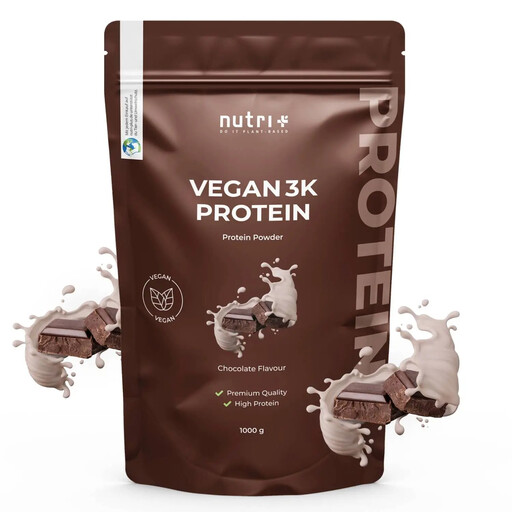
Why This Fits Their Persona: For athletes who follow a purely plant-based diet, a complete amino acid profile is crucial. This product combines three different plant protein sources to achieve a high biological value.
Instead of relying on a single, potentially incomplete plant source, the blend of soy, pea, and sunflower protein ensures a balanced amino acid profile that effectively supports muscle growth.
The 3-component formula delivers 22 g of protein per serving, according to the manufacturer, and is specifically designed for the needs of athletes on a plant-based diet.
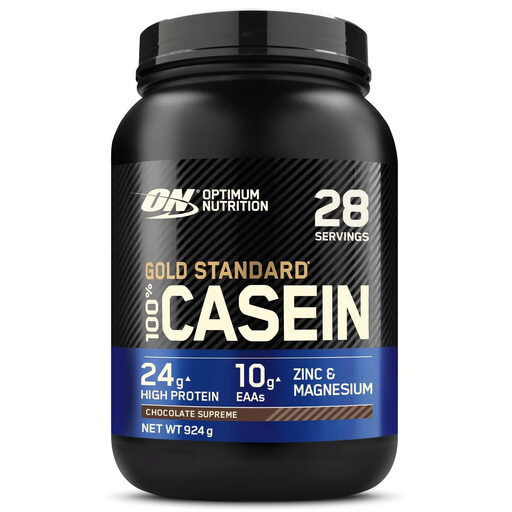
Why This Fits Their Persona: For athletes who want to supply their muscles with nutrients even during the night, a slow-digesting protein is ideal. This product is based on 100% micellar casein, known for its slow-release properties.
It isn't marketed as a fast post-workout shake but specifically serves the purpose of providing a sustained protein supply to minimise catabolic (muscle-breakdown) phases during sleep.
Delivers 24 g of slow-digesting protein per serving, according to the manufacturer, and is also low in fat and sugar. The addition of zinc and magnesium further supports the immune system and protein synthesis.
We've compiled a complete, up-to-date list of products that fully meet these strict selection criteria and local regulations.
The recommended amount depends on your individual protein needs, which are influenced by factors like body weight, training intensity, and dietary goals. A common recommendation for active individuals is 1.6 to 2.2 grams of protein per kilogram of body weight per day. A protein shake with 20-30 g of protein can supplement one or two meals but should not replace a balanced diet.
Yes, protein powder can be used on non-training days or by people who do not work out to help meet their daily protein requirements. Proteins contribute not only to muscle growth but also to the maintenance of muscle mass and normal bones. However, a muscle-building shake is most effective when combined with regular strength training.
No, solubility can vary depending on the protein source and processing. Whey protein isolate usually dissolves very well and is clump-free. Concentrates and some vegan protein powders, in particular, can have a thicker consistency. Using a shaker and enough liquid is crucial for a good result. However, most manufacturers have optimised their formulas to ensure good mixability.