
Lieferung heute & morgen

Qualitätsgarantie

Willkommens-Angebote freischalten: KOSTENLOSE Lieferung | Bis zu 80 % RABATT | Kostenlose 30-Tage-JoyPlus-Testphase
App herunterladen
By the Joybuy Product Recommendation Officer, August 30, 2026
The protein powder market can be overwhelming. Countless brands, various protein sources, and bold marketing claims make choosing a challenge. Many athletes and health-conscious individuals invest in products that don't meet their expectations or whose composition doesn't justify the price. This guide will help you identify the crucial quality markers and make an informed decision that supports your muscle growth and recovery goals.
Before we dive into the key parameters, let's highlight the most common mistakes that can lead to an unsuitable product choice.
To avoid the pitfalls mentioned above, focus on three objective criteria. These will help you separate the wheat from the chaff and buy a protein powder that's right for you.
The type of protein determines how quickly it is absorbed by the body and for what purpose it is best suited.
A look at the label reveals more than any marketing message. Pay attention to the following points:
Ease of use is an often-underestimated criterion. A powder that doesn't dissolve well in water or milk is not enjoyable in the long run. Emulsifiers like lecithin (from soy or sunflower) are added to improve solubility. Sweeteners such as sucralose or acesulfame-K are commonly used. Here, personal preference dictates whether you prefer products with or without artificial sweeteners.
Based on the criteria above, we have compiled a selection of products suitable for different user profiles and goals.
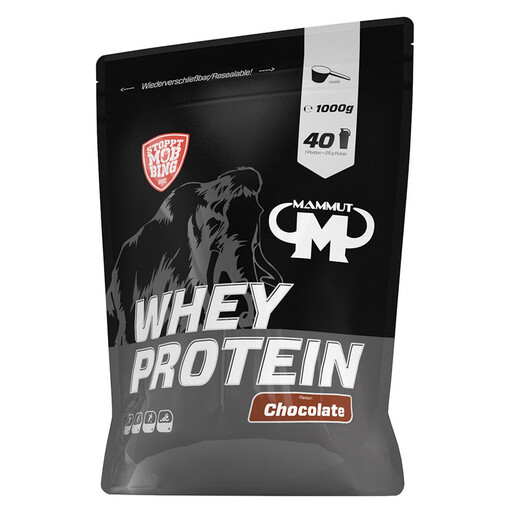
Why this product is a great fit: Ideal for athletes looking for a solid and reliable whey protein concentrate that offers excellent value. It provides the necessary building blocks for muscle growth without unnecessary extras.
The product focuses on the essentials: a high-quality whey protein concentrate. It avoids the premium price of complex blends and offers transparent nutritional information per serving.
Delivers 27 g of protein per serving (in 300 ml of low-fat milk) according to the manufacturer and is known for its excellent solubility, which simplifies preparation.
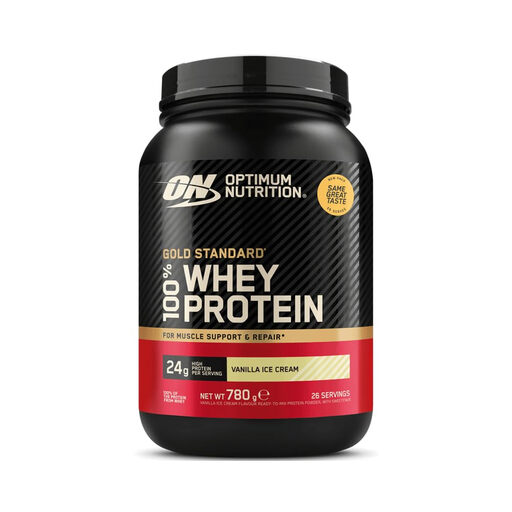
Why this product is a great fit: For athletes who prioritise a high degree of purity and rapid nutrient delivery. This blend, with whey protein isolate as its main component, is an established standard in strength training.
The formula relies on whey protein isolate as the primary ingredient, ensuring a high protein content with low fat and sugar. It avoids unnecessary fillers.
Provides 23.7 g of fast-absorbing protein per 30 g serving at only 113 kcal, according to the manufacturer. Its high solubility makes it a convenient option for rapid post-workout recovery.
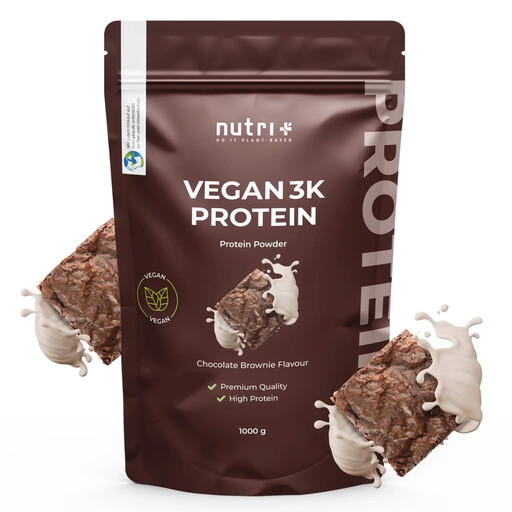
Why this product is a great fit: A well-designed solution for anyone avoiding animal products. The combination of multiple plant-based protein sources ensures a high biological value and a complete amino acid profile.
Instead of relying on a single, potentially incomplete plant source, this product combines soy, pea, and sunflower protein to create an effective alternative for muscle building.
Delivers 23 g of purely plant-based protein per serving and is lactose-free, according to the manufacturer. The 3-component blend ensures a balanced supply of all essential amino acids.
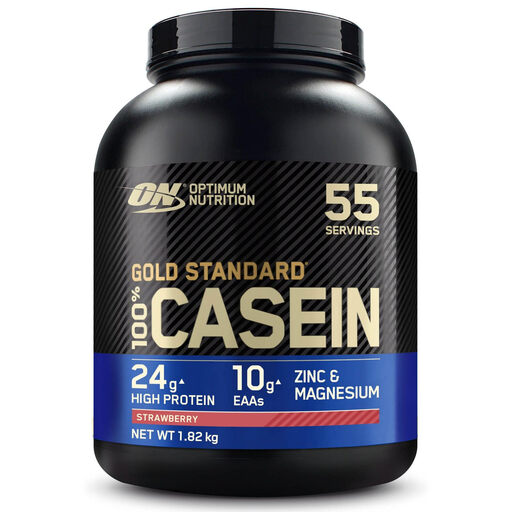
Why this product is a great fit: Specifically for athletes who want to supply their muscles with protein over a longer period, such as overnight. Micellar casein is the ideal choice for a sustained amino acid release.
This product is not marketed as a one-size-fits-all solution but for a specific use case: slow protein delivery. Its function is clearly defined and scientifically sound.
Delivers 24 g of slow-digesting micellar casein per serving, according to the manufacturer. This supports muscle recovery and preservation during long breaks between meals or overnight.
We have compiled a complete, up-to-date list of products that fully meet these strict selection criteria and local regulations.
The optimal time depends on the type of protein and your goal. Whey protein is best taken within 30–60 minutes after a workout to quickly initiate muscle repair. Casein protein is most effective before bed to ensure a continuous supply of nutrients overnight. A multi-component or vegan protein powder can be used flexibly as a snack between meals or to supplement a low-protein meal.
You can recognise a high-quality product by its short and clear ingredient list, with the protein source listed first. The protein content per serving should be high (over 20 g), while the sugar content should be low (ideally under 5 g per serving). Positive user reviews regarding taste and solubility are also a good indicator of quality.
Protein powder is a dietary supplement, not a substitute for a balanced diet. However, it can also be useful for people who do not engage in intense athletic training to help meet their daily protein requirements. This is especially true for vegetarians, vegans, or older adults, whose protein intake from their regular diet may sometimes be insufficient. Proteins contribute not only to muscle growth but also to the maintenance of muscle mass and normal bones. Consulting with a nutritionist or doctor can be beneficial.