
Lieferung heute & morgen

Qualitätsgarantie

Willkommens-Angebote freischalten: KOSTENLOSE Lieferung | Bis zu 80 % RABATT | Kostenlose 30-Tage-JoyPlus-Testphase
App herunterladen
Protein powder can help supplement your daily protein intake when you need a convenient source of protein in everyday life, during strength training or after exercise. There’s a wide choice, from classic whey protein powder and multi-component protein to vegan blends. The differences aren’t just about taste: they also include protein source, nutritional values, allergens, serving size and preparation.
If you focus only on big promises or a low price per pack, it’s easy to overlook important details. Three common buying misconceptions are particularly worth bearing in mind:
Whey protein is made from milk and is often sold as whey protein concentrate, isolate or a blend. Check the ingredients list to see which protein source makes up the largest proportion. For example, Optimum Nutrition Gold Standard 100% Whey is listed as a blend of whey protein isolate, concentrate and hydrolysed whey.
Multi-component protein combines several sources. According to the product information, MAMMUT Nutrition Formula 90 Protein Powder Chocolate contains soya protein isolate, whey protein, milk protein and egg protein. This blend may appeal if you prefer to get protein from different sources in one product. However, it isn’t suitable for vegans, as it contains milk and egg.
Vegan protein powder is made from plant-based sources. nutri+ 6K Protein Powder Vegan combines soya, wheat, rice, pea, sunflower and almond protein, among other ingredients. If you have allergies or intolerances, it’s particularly important to check the full allergen list.
Depending on the recipe, the products in this selection provide around 22 to 30 g of protein per serving. For a fair comparison, check these figures on the same basis:
For example, Optimum Nutrition Gold Standard 100% Whey in Chocolate Hazelnut is listed as providing 79 g of protein per 100 g and 23.7 g per 30 g serving. The figures for MAMMUT Nutrition Whey Protein can vary depending on the flavour and how they’re calculated. Always check the packaging for the specific variant.
The liquid you use also changes the nutritional values of the finished protein shake. If you make it with 300 ml of milk, you’ll add the milk’s calories, carbohydrates and protein. If you’d like to keep your shake lower in calories, you can use water instead, if you like the taste.
Whey products generally contain milk and varying amounts of lactose. Some variants also contain soya, gluten or egg. nutri+ vegan protein includes ingredients such as soya, wheat and almond.
Flavours such as chocolate protein powder and vanilla protein powder can differ in their use of cocoa, flavourings, sweeteners and thickeners. Mixability also matters in practice: powder that mixes well with water or milk in a shaker is easier to use regularly. For several MAMMUT Nutrition Whey variants, the product information recommends mixing 25 to 32 g of powder with around 300 ml of liquid.
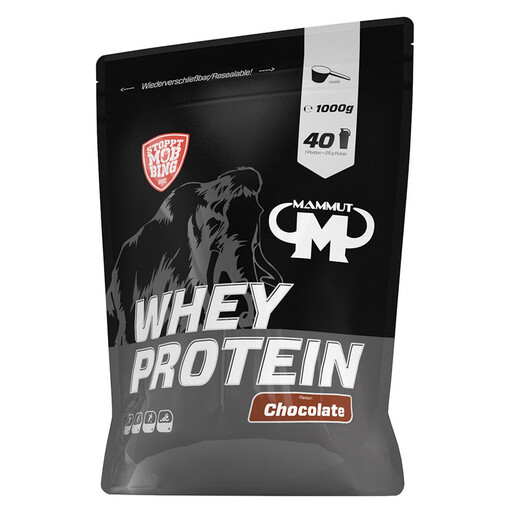
Why this product suits this profile: The 1 kg pack in chocolate flavour is a good way for beginners to try a classic whey protein powder without buying a large supply. According to the product information, one serving provides 27 g of protein when prepared with milk.
The product description gives the protein content, serving size and preparation amount. This makes it easier to account for the milk when calculating calories.
Whey concentrate as the protein source, plus a measuring scoop and resealable pack, according to the product information.
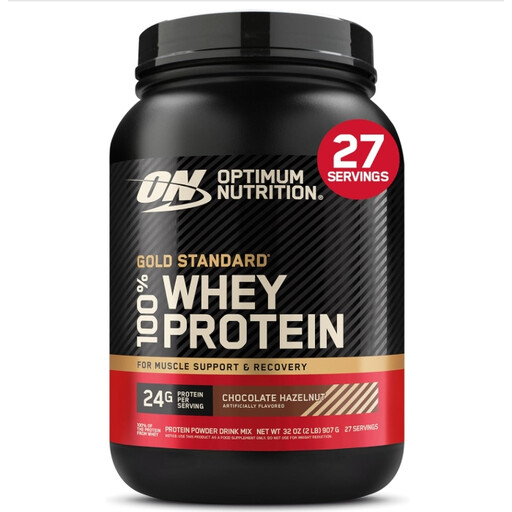
Why this product suits this profile: The listed blend contains whey protein isolate and provides 79 g of protein per 100 g, or 23.7 g per 30 g serving. This makes it easier to compare with other whey products.
The nutrition table lists protein, fat, carbohydrates and energy per 100 g and per serving. This means you can look beyond the claims made about serving sizes.
23.7 g of protein per 30 g serving, 113 kcal per serving and, according to the product information, no artificial sweeteners in this variant.
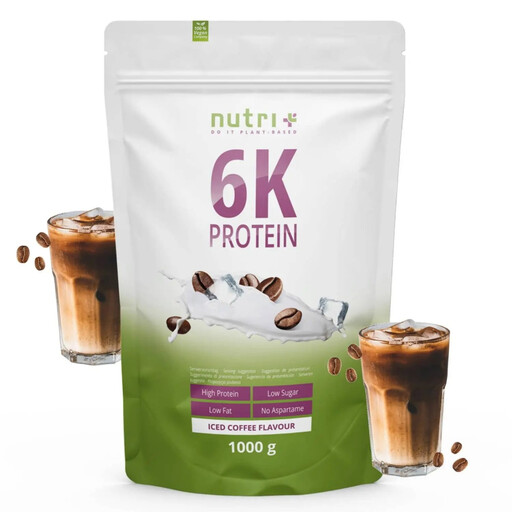
Why this product suits this profile: The plant-based recipe combines six protein sources and, according to the product description, provides 23 g of protein per 30 g serving. It’s designed for people looking for a vegan protein powder.
The ingredients list clearly identifies the plant-based sources. This makes it easy to check whether soya, wheat or almond fits with your diet.
Plant-based blend of soya, wheat, rice, pea, sunflower and almond protein; mix with 300 ml of liquid.
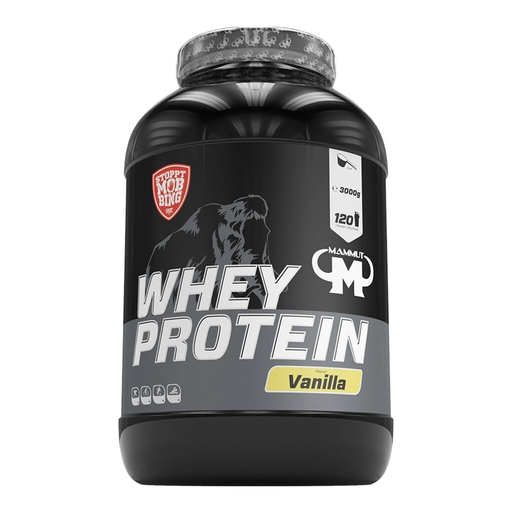
Why this product suits this profile: The 3 kg tub is a good choice for regular users who often make a protein shake after training or between meals. According to the product information, it contains around 120 servings.
A large pack only makes sense if you use it regularly. Follow the storage instructions to keep it below 25 °C and use it within the recommended period.
3,000 g pack, vanilla flavour, whey protein concentrate and a measuring scoop, according to the product description.
We’ve put together a complete, regularly updated list of products that meet these strict selection criteria and fully comply with the safety regulations in force in the EU.
A protein shake can be enjoyed after training, at breakfast or as a snack between meals. For choosing a product, your overall daily diet matters more than sticking to a strict time window. The key is to choose a serving size that fits your individual plan and avoid unknowingly adding lots of extra calories from milk, oats or other ingredients.
Don’t automatically assume that products labelled with BCAAs are BCAA protein with special added benefits. BCAAs are found in many animal and plant proteins. When choosing a product, focus above all on the protein source, how well you tolerate it and the nutritional information.
This depends on the manufacturer’s instructions. Some products recommend using them within three to four months of opening. Store the powder in a cool, dry place, sealed and protected from light, at the room temperature specified. Moisture can affect its mixability and quality.
No. Whey contains milk ingredients and may contain lactose, depending on the product. If you have a milk allergy or intolerance, check the ingredients and allergen information. If you have an existing medical condition, take medication, are pregnant or breastfeeding, it’s a good idea to speak to a healthcare professional.
Check the recommended amount on the product and don’t exceed it. Protein powder is a supplement to a balanced diet, not a replacement for varied meals. Your body weight, training routine, diet and individual needs all affect how much protein you need each day.