
Lieferung heute & morgen

Qualitätsgarantie

Willkommens-Angebote freischalten: KOSTENLOSE Lieferung | Bis zu 80 % RABATT | Kostenlose 30-Tage-JoyPlus-Testphase
App herunterladen
Protein powder can make it easier to meet your daily protein needs – provided the type of product, serving size and ingredients match what you actually need. Whey protein, casein protein, mass gainers and ready-to-drink protein shakes all have clear differences. But if you focus only on flavour or large pack sizes, you could end up paying for features that don’t benefit you in everyday life.
A whey protein powder with around 24 to 27 g of protein per serving isn’t automatically the right choice for every situation. If you’re looking for a low-calorie supplement, a classic whey product may be a good option. But if you’re specifically trying to gain weight, you may also need extra carbohydrates and energy. That’s why mass gainers or weight gainers often contain considerably more calories, but not necessarily more protein per 100 g than whey.
Packs weighing several kilograms can bring down the cost per serving. At the same time, it’s worth checking how many servings they actually contain, how long the product should be used for after opening, and whether you have enough storage space. If you only use it occasionally, a 300-g pack or sample pack may be more suitable than a tub containing several kilograms.
BCAAs, creatine, vitamins or minerals may be included in a formula. But that doesn’t automatically make a protein powder right for every training goal. What matters is the nutritional information, protein source, serving size and how well you tolerate it. A protein shake also isn’t a substitute for a balanced diet. If you have a medical condition, take medication, are pregnant or have known allergies, seek medical advice before using it.
Whey protein is made from whey and is often available as whey concentrate, whey isolate or a blend. Depending on the formula, an isolate may contain a higher proportion of protein and less fat or carbohydrates. Always check the specific product label.
Casein protein is digested more slowly than whey and is often used between meals or in the evening. According to the product information, 100% Casein Time Release Protein Creamy Vanilla contains 24 g of protein per 33-g serving. Magnesium and zinc are also listed. These figures apply to the specified formula and may vary by packaging or flavour.
When choosing a protein powder, compare the protein content per 100 g and per serving. It’s also important to check whether the serving is calculated with water or milk. Milk generally increases the energy, carbohydrate and protein content.
A classic protein shake usually provides a moderate amount of energy. A gainer is formulated differently: depending on the flavour, MAMMUT Nutrition Crash Weight Gainer is stated to contain around 76 to 83 g of carbohydrates per 100 g. The recommended preparation uses milk, which further increases the actual energy content.
According to the product information, Optimum Nutrition Serious Mass provides 50 g of protein, 256 g of carbohydrates and 1.268 kcal per 334-g serving. It’s therefore not comparable to a light protein shake. A full serving may not be practical if you have low calorie needs. Starting with a smaller amount lets you adjust gradually.
Milk or whey protein is an allergen in many products. Depending on the formula, they may also contain soya, egg, cereals containing gluten, peanuts or tree nuts. Read the full ingredients and allergen information before buying.
Sweeteners such as sucralose, acesulfame-K or steviol glycosides may also be included. If you’re sensitive to certain ingredients, check the information for the specific flavour. Always refer to the label on the packaging you receive.
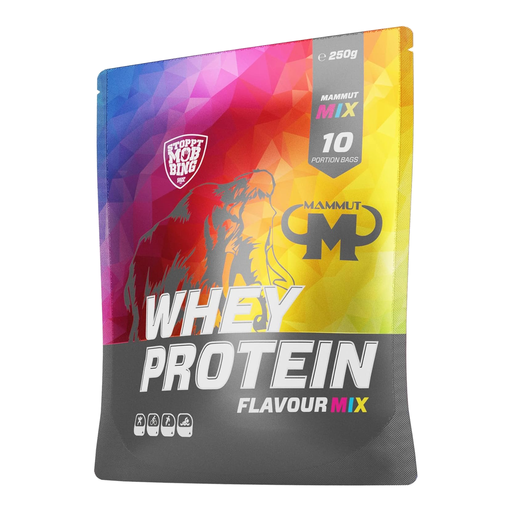
Why this product suits this profile: The sample pack contains 10 individual servings, each with 25 g of powder. That lets you try different flavours without committing to a large pack straight away.
The individual sachets reduce the risk of being left with a large amount of a flavour you don’t like.
According to the product information, one serving provides 27 g of protein; the pack contains ten flavours, with 25 g of powder in each sachet.
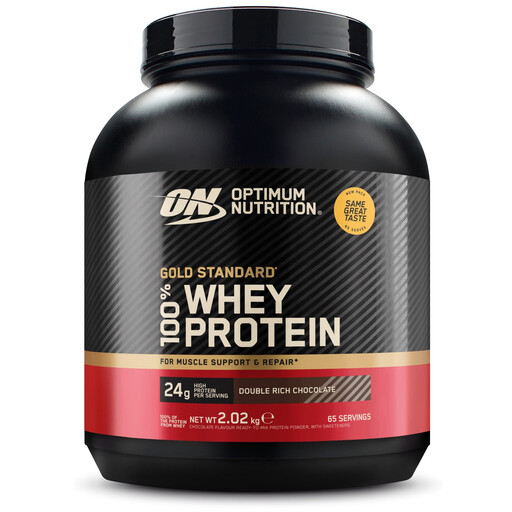
Why this product suits this profile: According to the product information, this whey combines isolate, concentrate and hydrolysed whey. Each 30-g serving is stated to provide 24 g of protein and 113 kcal.
The nutrition table lists protein, energy, fat, carbohydrates and sugars per serving, making it easier to compare with other whey products.
According to the product information, one serving contains 24 g of protein and 1,5 g of fat; the powder is intended to be mixed with water or milk.
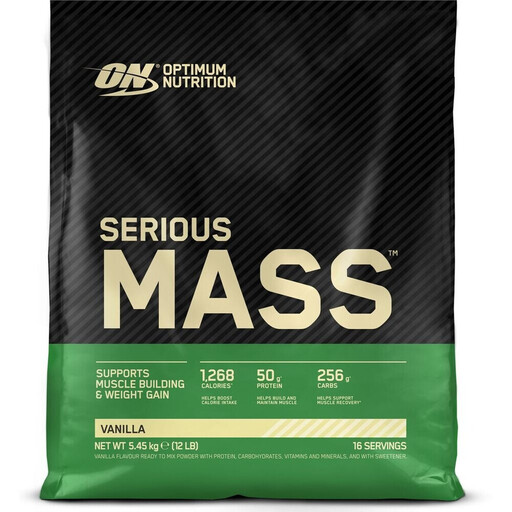
Why this product suits this profile: The 5.450-g pack is aimed at people who regularly include a high-calorie weight gainer in their diet.
The very large serving size is clearly stated. According to the product information, beginners can start with half a serving and adjust the amount.
One stated serving contains 50 g of protein, 256 g of carbohydrates and 1.268 kcal. It also lists 3 g of creatine monohydrate.
We’ve put together a complete, regularly updated list of products that meet these strict selection criteria and fully comply with the safety regulations in force in the EU.
A protein shake after training is a convenient option if a proper meal isn’t readily available. But precise timing matters less than your overall diet throughout the day. Whey can be mixed with water, milk or a plant-based alternative. If you want slower digestion, try mixing casein to a thicker consistency.
A ready-to-drink protein shake is handy for work, travelling or the journey home from the gym. According to the product information, Optimum Nutrition High Protein Shake contains 25 g of protein per 330-ml bottle. Follow the manufacturer’s storage instructions after opening; chilled products shouldn’t be left unrefrigerated for long periods.
A meal replacement shake is different from pure protein powder. Products such as yfood Smooth Vanilla contain fat, carbohydrates, fibre, vitamins and minerals as well as protein. Use them only as directed on the product label, rather than treating them as a blanket replacement for every balanced meal.
If unopened, follow the best-before date on the packaging. Once opened, store the powder in a sealed container in a dry place, away from light. Some products also specify how long they should be used for after opening. Moisture, an unusual smell or clumping may indicate that the product hasn’t been stored properly.
It depends on your individual protein needs, your usual diet and the product. Follow the recommended serving size and check the nutrition table. Taking several servings isn’t automatically beneficial. If you already get enough protein from food, you may only need a protein shake occasionally.
Both provide protein, but they differ in composition and digestion speed. Whey is often used around training, while casein is commonly chosen between meals or in the evening. For building muscle mass, regular strength training, adequate energy intake and a suitable overall diet remain key.