
Lieferung heute & morgen

Qualitätsgarantie

Willkommens-Angebote freischalten: KOSTENLOSE Lieferung | Bis zu 80 % RABATT | Kostenlose 30-Tage-JoyPlus-Testphase
App herunterladen
If you’re looking to buy protein powder, you’ll find plenty of products making similar promises: high protein content, a creamy taste, easy preparation and support for muscle growth. But the key differences often lie in the details. Eye-catching packaging or an especially large tub tells you little about whether a product will actually suit your everyday routine.
Three common buying mistakes are:
With whey protein, the protein comes from whey. Products often contain a blend of whey protein concentrate, isolate and hydrolysed ingredients. Compare the nutritional values per 100 g and per serving.
As a practical guide:
It’s therefore important to check whether the figures apply to the powder on its own or to a prepared protein shake made with milk.
Classic protein powder is most suitable if you want to top up your daily protein intake without adding many extra calories. The whey products mentioned here typically provide around 113 to 120 kcal per serving when mixed with water.
A mass gainer serves a different purpose. According to the product details, Optimum Nutrition Serious Mass Vanilla provides 1,268 kcal, 50 g protein and 256 g carbohydrates per 334 g serving. This amount is intended for a high-calorie diet and won’t necessarily suit every training routine. If you’re simply looking for a small protein boost after a workout, fitting such a large serving into your everyday routine could be difficult.
So, check:
A quick look at the ingredients list can help you avoid buying the wrong product. The products mentioned here include ingredients such as sucralose, steviol glycosides, flavourings, lecithin and thickeners. This isn’t a judgement on quality, but it’s worth checking that the ingredients suit your taste and agree with you.
Take particular care if you have a milk allergy or a known intolerance to lactose. Soya, egg and gluten-containing cereals may also be listed. Always check the label of the specific flavour you’re buying, as recipes and nutritional values can vary between variants.
BCAAs are often naturally present in whey products, so an additional BCAA product isn’t automatically necessary. Creatine should also be considered separately: the Gold Standard Whey with Creatine bundle lists 3.4 g of creatine monohydrate per serving, while Serious Mass contains around 3 g per serving, depending on the variant. If you already take creatine on its own, remember to factor in your total intake and follow the usage instructions on the packaging.
The recommendations below group products by pack size, nutritional values, ingredients and intended use. They aren’t a substitute for personalised nutritional advice.
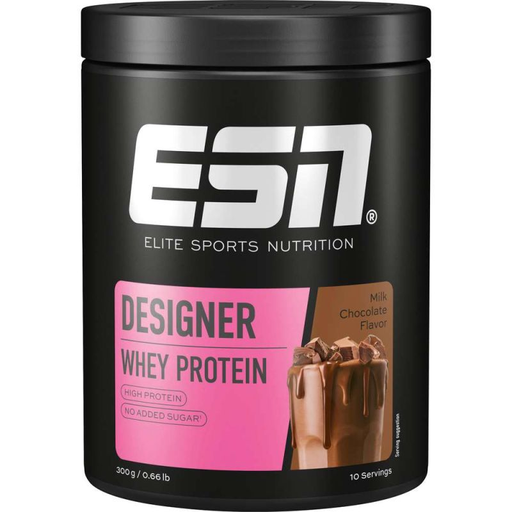
Why this product suits you: The 300 g pack is a manageable way to get started, without buying several kilos of powder in one go. You can mix it with water, milk or a plant-based drink.
The smaller pack reduces the risk of buying a large quantity of a flavour or recipe that doesn’t work for you day to day.
Whey blend with 76 g of protein per 100 g according to the product details; suitable for shakes, porridge and baking.
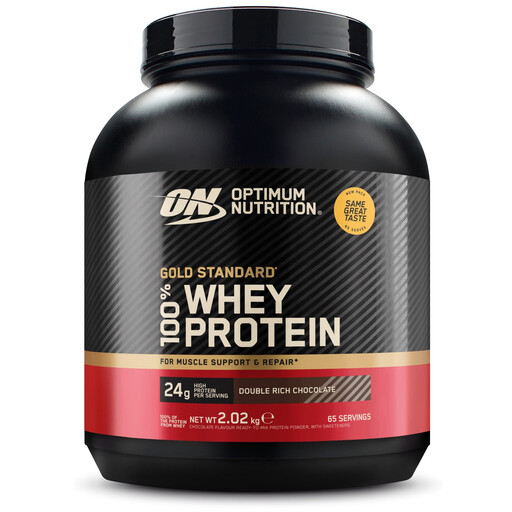
Why this product suits you: Whey isolate is listed as the main ingredient, and each 30 g serving provides 24 g of protein and 113 kcal.
The serving recommendation and nutritional values are clearly stated, so you can judge the protein content and calories for yourself rather than relying on marketing claims alone.
Whey isolate, concentrate and hydrolysed ingredients; according to the product details, each serving contains 5.5 g of naturally occurring BCAAs.
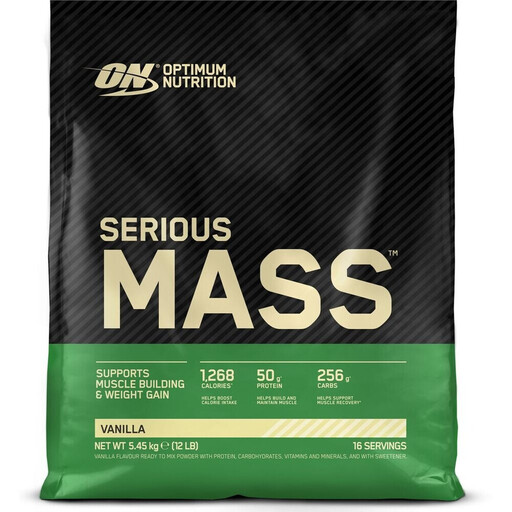
Why this product suits you: This mass gainer is aimed at adults who want to include plenty of carbohydrates and calories as well as protein in their diet.
The very large serving size is clearly stated, making it easy to check before you buy whether 334 g of powder and 1,268 kcal will fit into your diet.
50 g of protein, 256 g of carbohydrates and 3 g of creatine monohydrate per stated serving; also contains vitamins and minerals.
We’ve put together a complete, regularly updated list of products that meet these strict selection criteria and fully comply with the safety regulations in force in the EU.
The best-before date and the manufacturer’s instructions are what matter. Once opened, store the powder in a cool, dry place, away from light, and with the packaging tightly sealed. Using a damp scoop can cause clumps to form. If the product’s smell, taste or appearance changes, stop using it.
You can have a protein shake after a workout, between meals or at another convenient time. A specific time window is less important when choosing a product than your overall daily diet. Check the serving size and remember to include protein from everyday foods in your total.
It depends on what you’re comparing. Whey protein usually provides more protein per calorie, while a mass gainer also contains plenty of carbohydrates and energy. So compare the price per serving, the protein content and – for a gainer – how many extra calories you actually need. For a small, high-protein snack, classic whey is generally easier to portion.