
Lieferung heute & morgen

Qualitätsgarantie

Willkommens-Angebote freischalten: KOSTENLOSE Lieferung | Bis zu 80 % RABATT | Kostenlose 30-Tage-JoyPlus-Testphase
App herunterladen
Protein products are a practical addition to everyday life for many athletes, fitness enthusiasts and health-conscious adults. Whether it’s Whey Protein, protein powder, a protein bar, protein muesli or a plant-based protein drink, there is plenty of choice and the product claims are often very similar.
However, focusing only on terms such as “High Protein”, “Low Carb” or “No Added Sugar” can mean overlooking important details. Serving size, protein source, ingredients and allergens all determine whether a product genuinely suits your individual needs.
A protein bar labelled “50% protein” may initially sound clear-cut. In everyday use, however, the actual weight of the bar also matters. A bar containing 20 g of protein may serve a different purpose from a small snack containing 9.7 g of protein. For protein powder, comparing the values per 100 g is more useful than looking only at the amount listed “per shake”.
Nutritional values can also vary depending on how the product is prepared. Mixing Whey Protein with milk instead of water increases the energy, carbohydrate and fat content. The nutrition table on the relevant packaging remains the decisive source of information.
Many protein bars use sweeteners such as maltitol, sorbitol or sucralose. These can reduce the sugar content, but do not necessarily change the energy content. In larger quantities, certain sugar alcohols may also have a laxative effect. That is why checking the complete nutritional information is more important than relying on a single marketing claim.
Whey Protein is based on milk and is not automatically suitable for people with milk or lactose-related problems. Other protein products may contain soya, egg, wheat, gluten, peanuts or nuts. Protein bars containing hydrolysed collagen should not be treated as equivalent to pure milk protein either.
Before buying, check the ingredients list and allergen information. If you have specific dietary requirements or existing intolerances, it is advisable to seek individual guidance from a qualified healthcare professional.
For an objective comparison, both values should be taken into account. In this selection, the reference Whey Protein products provide approximately 71 to 79 g of protein per 100 g, while individual bars reach around 20 to 50 g of protein per 100 g, depending on the recipe.
However, a higher protein percentage is not automatically necessary for every purpose. A smaller portion may be sufficient as a snack on the go. If you want to specifically supplement your daily protein intake, you may benefit from a powder with clearly defined serving sizes.
Whey Protein Concentrate and Whey Protein Isolate differ in how they are processed and typically also in their nutritional profile. Blends of concentrate and isolate can be suitable for shakes, porridge or baking recipes. A plant-based protein drink made with pea or fava bean protein can be an alternative to dairy products.
With a Weight Gainer, protein is not the only focus. Carbohydrate and calorie levels are deliberately much higher. According to the product information, one serving of Optimum Nutrition Serious Mass provides 50 g of protein and 1.268 kcal with 334 g of powder. It is intended for people with high energy requirements, not as a light snack.
In particular, check:
For muscle building and recovery, a protein product is not a substitute for a balanced diet. Training, sufficient energy intake and your overall daily diet remain essential.
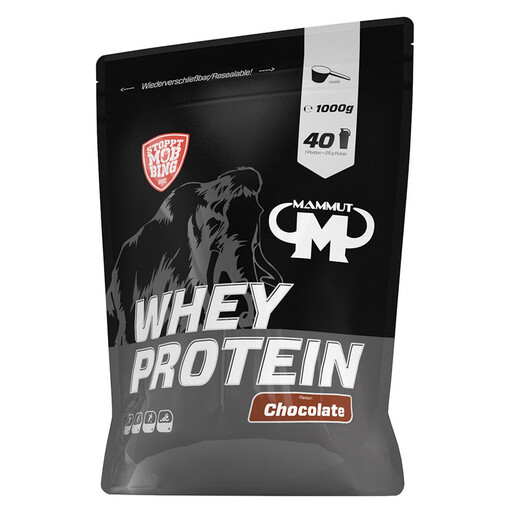
Why this product suits this profile: The 1,000 g pack offers an accessible introduction to Whey Protein and is suitable for shakes or a snack between meals.
The product information specifies a 25 g serving and clearly states the protein content. If milk is used as the mixing base, it should be included in the calculation.
Around 27 g of protein per serving according to the product description, with a measuring scoop included, and suitable for mixing with water or milk.
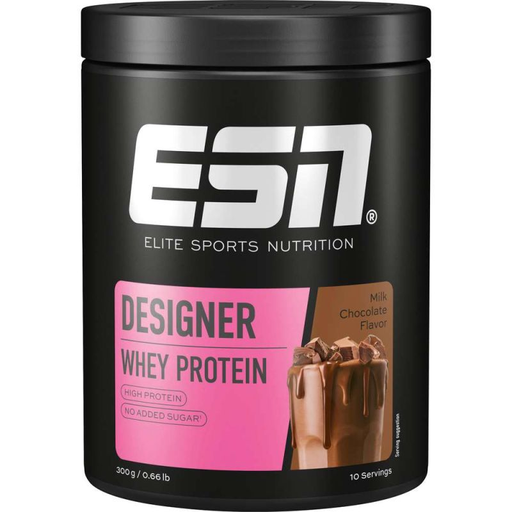
Why this product suits this profile: The combination of Whey Concentrate and Whey Isolate appeals to shoppers who want to compare ingredients and macronutritional values in greater detail.
The recipe and nutritional values per 100 g are provided. This makes it easier to compare the product objectively with other protein powders.
76 g of protein per 100 g according to the product information, suitable for shakes, porridge and baking recipes.
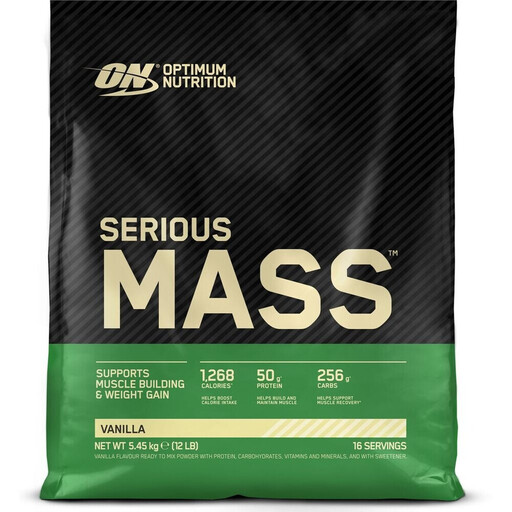
Why this product suits this profile: This Weight Gainer is aimed at adults with high calorie and energy requirements who are looking for a large pack for regular use.
The large serving size makes the calorie content clear. If you only want to supplement your protein intake, bear in mind the significantly higher carbohydrate and energy content.
50 g of protein and 1.268 kcal per 334 g serving according to the product information, additionally containing creatine and a vitamin and mineral blend.
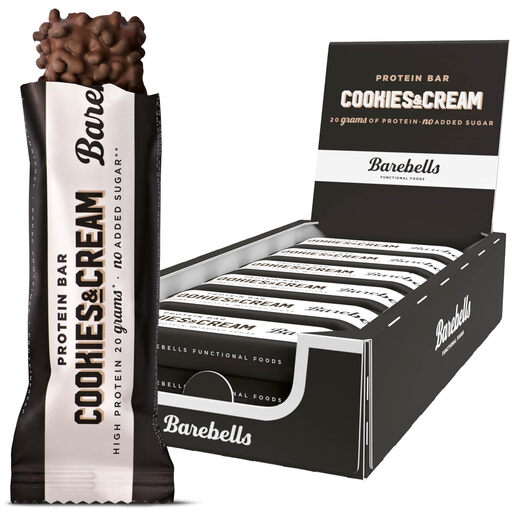
Why this product suits this profile: The individually portioned protein bar fits in a work bag, gym bag or luggage and requires no preparation.
With 20 g of protein per 55 g bar, the serving size is clearly stated. At the same time, you should take the sweeteners and the energy content of 194 kcal per bar into account.
20 g of protein per bar, 12 individually wrapped portions and suitable for storage at room temperature.
For a fitness diet, powder can be useful when you want quick preparation. Protein bars and high-protein snacks are better suited to situations where you do not have access to a kitchen or shaker. Protein muesli can be incorporated into breakfast or a snack, but you should check its sugar, fat and actual protein content.
If you want to avoid dairy products, you could consider a plant-based protein drink such as Vly. According to the product information, it provides 5 g of plant-based protein per 100 ml and contains no allergens according to the labelling. Once opened, it must be refrigerated and consumed within a few days.
We have put together a complete, regularly updated list of products that fully meet these strict selection criteria and the safety regulations applicable in the EU.
The right amount depends on your overall diet, training volume and individual requirements. Follow the dosage instructions on the packaging. Several products, for example, recommend a serving of 25 or 30 g; for food supplements, the stated maximum daily amount applies.
No. Protein bars are primarily convenient snacks. They can contribute to your daily protein intake, but they are not a substitute for a balanced diet or an appropriate training plan. When choosing one, consider the protein content, calories, sweeteners and ingredients list.
This depends on the individual product. Powder should be stored sealed, in a dry place, protected from light and at the specified room temperature. Some product information states that it should be used within three or four months of opening. The packaging, best-before date and the manufacturer’s specific storage instructions are always binding.