
Lieferung heute & morgen

Qualitätsgarantie

Willkommens-Angebote freischalten: KOSTENLOSE Lieferung | Bis zu 80 % RABATT | Kostenlose 30-Tage-JoyPlus-Testphase
App herunterladen
Protein products range from protein powder and ready-made protein shakes to protein bars and protein-rich foods. This choice can be practical for athletes, fitness enthusiasts and active adults – whether after training, at the office or on the go. At the same time, prominent claims such as ‘50% protein’, ‘no added sugar’ or ‘low carb’ do not automatically mean that a product is right for you.
Three common purchasing misconceptions frequently cost consumers money:
Do not just compare the figures per 100 g. Also look at the amount of protein per serving actually consumed. According to the product information, one serving of Optimum Nutrition Gold Standard 100% Whey 450 g uses around 31 g of powder, providing 24 g of protein. The 2,020-g version specifies 30 g of powder and 24 g of protein per serving.
A protein bar, on the other hand, can vary considerably depending on its weight. According to the product data, the Premier Protein 50% Bar Chocolate Caramel contains 20 g of protein per 40-g bar. The Maxi Nutrition Muesli Nut Butter Protein Wafer Bar provides 9.7 g of protein per 39-g bar. Both figures can be compared sensibly when the intended use is taken into account: a compact snack or a larger portion as part of a meal.
‘Low in sugar’ describes only one part of the nutrition table. Also pay attention to:
According to the product information, the Optimum Nutrition High Protein Shake Chocolate contains 25 g of protein and 13 g of sugar per 330-ml bottle. It contains no added sugar, but it is not sugar-free. A Premier Protein Bar 50% is instead listed as containing no more than 0.8 g of sugar per bar. For low-sugar protein bars or low-carb protein bars, you should therefore read the full nutrition declaration rather than relying only on the front of the packaging.
Whey protein is based on whey and contains milk ingredients. Depending on the recipe, it may contain whey isolate, whey concentrate or hydrolysed whey. Isolate is partly the main ingredient in the products mentioned, although the exact composition varies according to the flavour and pack size.
If you are looking for a vegan protein source, you can choose pulses or plant-based meat alternatives. According to the product description, Nitya Toor Dal contains 22 g of protein per 100 g of dry product. Alnatura Organic Vegan Mince is based on pea and fava bean protein and provides 17 g of protein per 100 g, according to the product data. With dry foods, bear in mind that the weight and nutrient density change after soaking.
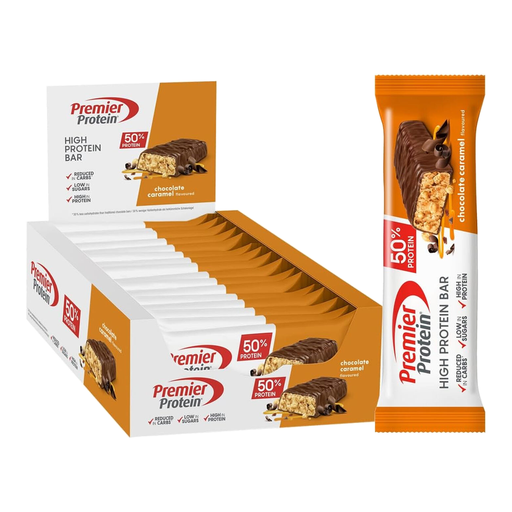
Why this product suits this profile: An individually portioned high-protein snack for adults who want to get started without a shaker or preparation. According to the product information, each 40-g bar contains 20 g of protein and no more than 0.8 g of sugar.
The amount of protein and the bar weight are clearly stated. The low sugar content and the presence of sweeteners are also indicated.
20 g of protein per bar, a 40-g portion, a palm-oil-free recipe according to the product description, and dry storage at room temperature.
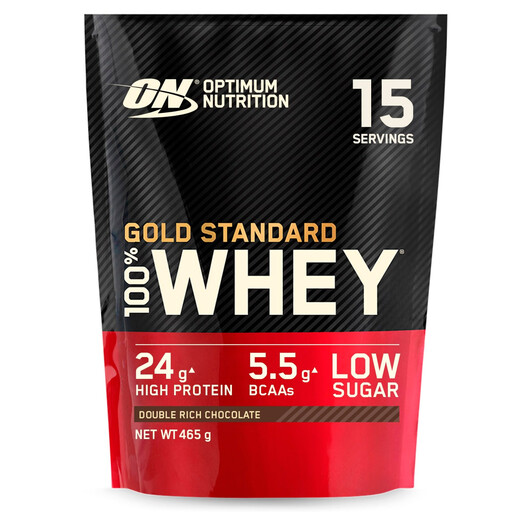
Why this product suits this profile: A whey protein for adults who want to compare serving size, mixing ratio and protein source carefully. According to the product data, the recommended serving is around 31 g of powder mixed with 180–240 ml of liquid.
Nutritional values are provided per 100 g and per serving. The ingredients list identifies whey isolate, whey concentrate and hydrolysed whey separately.
24 g of protein per stated serving, soluble powder, and multiple ways to use it in shakes, smoothies, porridge or recipes.
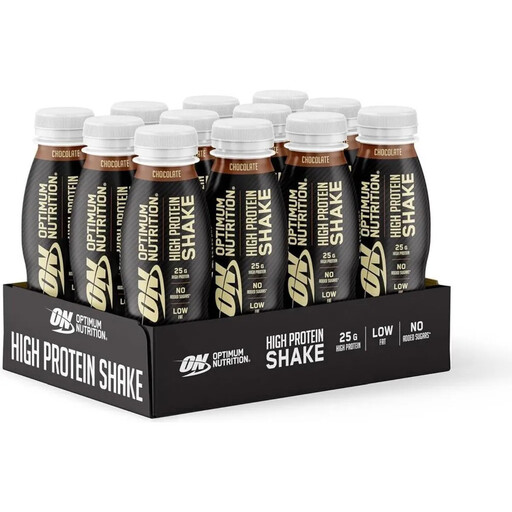
Why this product suits this profile: Ready-to-drink protein shakes are ideal for commuters, frequent users and people short on time. According to the product information, one bottle contains 25 g of protein and 185 kcal.
Despite the ‘no added sugar’ claim, the sugar content is stated separately: 13 g per 330-ml bottle. This makes it easier to factor into your daily diet.
Ready-to-drink format, 12 bottles per pack, and refrigeration after opening for a maximum of three days according to the product information.
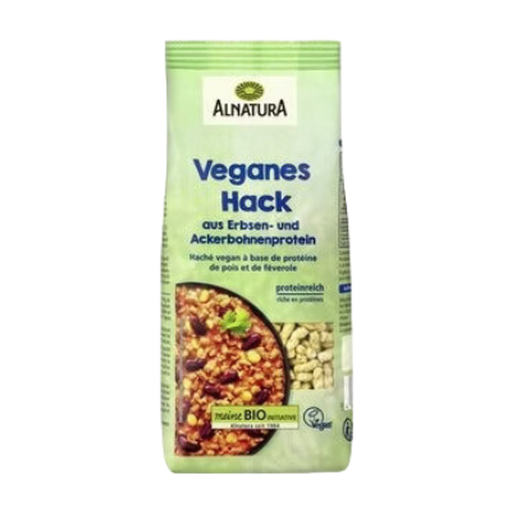
Why this product suits this profile: The dry granules made from pea and fava bean protein are suitable for vegan meals such as chilli, bolognese or moussaka, and can be portioned after soaking.
The ingredients list specifically identifies pea and fava bean protein. According to the description, the product is soya-free; potential traces of other allergens should nevertheless be taken into account.
17 g of protein per 100 g according to the product data, with 80% pea protein and 19% fava bean protein in the recipe, plus dry storage.
We have put together a complete, regularly updated list of products that fully meet these strict selection criteria and the safety regulations applicable in the EU.
A protein shake can be enjoyed after training or as an addition to a meal. Protein bars or ready-to-drink products are more convenient when you are out and about, while protein-rich foods such as lentils, chickpeas, Toor Dal, eggs, dairy products or meat can be incorporated into regular meals.
When choosing products for muscle building and sports nutrition, the bigger picture matters: regular meals, sufficient fluids and an energy intake suited to your personal circumstances. Protein products are not a substitute for a varied diet. If you have allergies, medical conditions or take medication, or if you are unsure about your personal protein intake, it is advisable to seek medical or nutritional advice.
Unopened products remain suitable for use until the printed best-before date, provided they are stored as stated on the packaging. Powders should be kept dry, sealed and protected from direct sunlight. Opened protein shakes should be refrigerated and, according to the product information, consumed within the stated period.
No. Low-sugar protein bars may still contain plenty of calories from fats, nuts, chocolate or sweeteners. Always compare energy, fat, carbohydrates and sugar per bar. A low-carb protein bar is not automatically suitable for every diet either.
Protein powder is suitable if you regularly prepare servings and want to adjust the quantity flexibly. A protein bar is more convenient when you are on the go. The important factors are protein content, ingredients, allergens, flavour, pack size and the intended use – not just the marketing claim on the front of the packaging.