
Lieferung heute & morgen

Qualitätsgarantie

Willkommens-Angebote freischalten: KOSTENLOSE Lieferung | Bis zu 80 % RABATT | Kostenlose 30-Tage-JoyPlus-Testphase
App herunterladen
If you’re looking for protein products for muscle building, you’ll find a wide range of protein powders, whey protein, protein bars and high-protein snacks on the German market. The differences aren’t just about flavour. Protein content, serving size, ingredients, allergens, sweeteners and intended use all matter.
As a Joybuy Product Recommendation Officer, I assess product information against clear, verifiable criteria. This can help you avoid common buying mistakes without relying solely on marketing claims.
A claim such as ‘30% protein’ might seem clear at first. However, it only tells you how much protein is in 100 grams of the product. In a small 35- or 45-gram bar, the amount of protein you actually consume could be much lower. So always compare:
A protein bar with 14 grams of protein is different from one with 20 grams, even if both are advertised as high-protein snacks.
Products with no added sugar can still contain naturally occurring sugars. They also often contain sweeteners such as maltitol, sucralose, xylitol or steviol glycosides. In larger amounts, sugar alcohols can have a laxative effect in people who are sensitive to them. So if you’re looking for low-sugar protein bars, check the nutrition table and ingredients list together.
BCAA stands for branched-chain amino acids, including leucine, isoleucine and valine. Whey protein naturally contains these amino acids. However, a standalone BCAA product is no substitute for a balanced protein source or a varied diet. When choosing a product, the total protein content and the protein source are usually more informative than a prominent BCAA claim.
For protein powder, protein per 100 grams is a useful starting point for comparison. For example, different whey powders may contain around 71 to 79 grams of protein per 100 grams. Figures can vary depending on the flavour.
Whey protein is made from milk, so it generally contains milk ingredients and/or lactose. Multi-component products may also contain soya, egg or other protein sources. Check the ingredients list if you need to take allergies, intolerances or a particular diet into account.
You can make a protein shake with water or milk. However, milk increases the calories, fat and sugar in the prepared serving. For example, a Mammut whey product recommends mixing 25 grams of powder with 300 millilitres of semi-skimmed milk. According to the product information, ESN Designer Whey is mixed with 30 grams of powder and around 200 millilitres of water or semi-skimmed milk.
So compare the nutrition information for the prepared shake as well as for the powder itself. A scoop makes it easier to measure out a serving, but it doesn’t replace checking the recommended serving size.
Look out for:
For protein bars, the balance of protein, fat and carbohydrates is also relevant. A bar can be high in protein but still contain a lot of calories. That isn’t automatically a problem for a snack, but it should fit your diet.
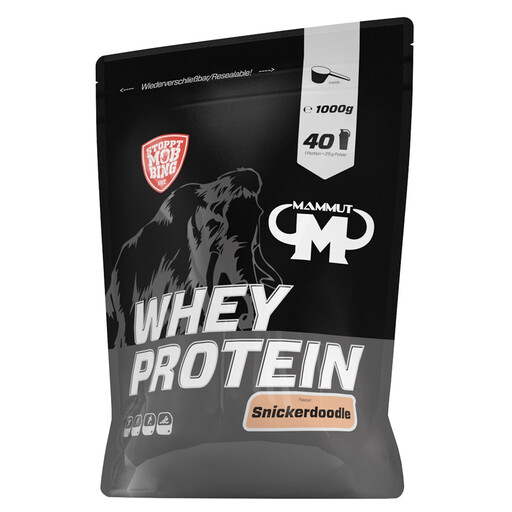
Why this product suits this profile: The 1 kg pack is a good option if you want to use protein powder regularly but don’t need a large tub. According to the product information, each serving provides 27 g of protein.
The stated 27 g of protein per serving makes it easier to compare with other protein powders. The ingredients list identifies whey protein concentrate and milk as relevant ingredients.
1 kg pouch, measuring scoop, and preparation with water or semi-skimmed milk. The manufacturer recommends a maximum of one serving per day.
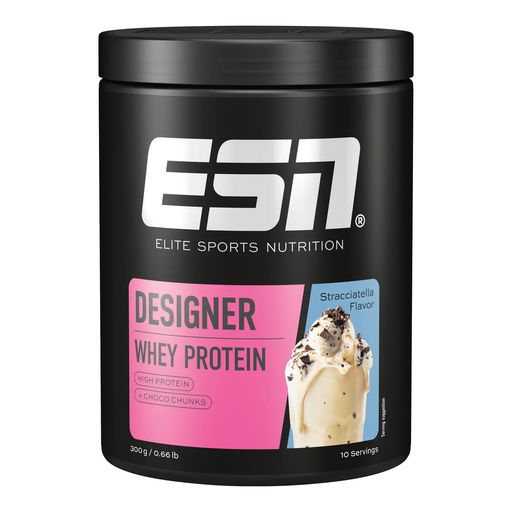
Why this product suits this profile: According to the product information, this powder combines whey concentrate and whey isolate. With 73 g of protein per 100 g and a 94% whey protein blend, it’s suitable for precisely measured shakes.
The product information specifies the protein content and ingredient proportions. It also lists dark chocolate pieces, sweeteners, and milk and soya allergens.
30 g serving, 73 g of protein per 100 g, and suitable for mixing with water or semi-skimmed milk. Great for shakes, porridge or baking.
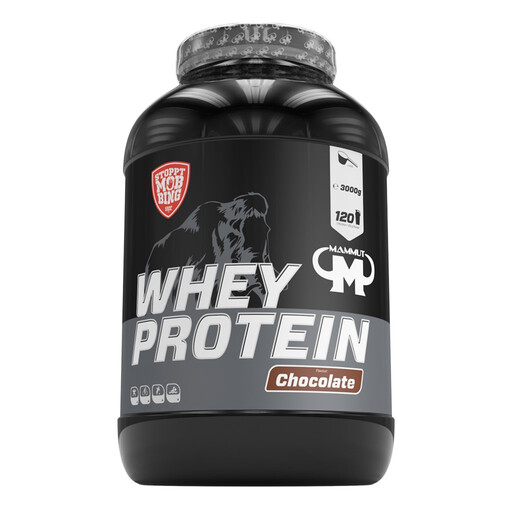
Why this product suits this profile: According to the product information, this large pack contains 120 servings. It’s aimed at frequent users who make protein shakes regularly and want to cut down on repeat purchases.
The product information states that each serving provides 27 g of protein, with 89% whey protein concentrate, and recommends mixing 25 g of powder. This makes it easier to work out what you’re getting.
3 kg tub, chocolate flavour, measuring scoop, and suitable for mixing with water or milk. The product label states that it contains milk ingredients.
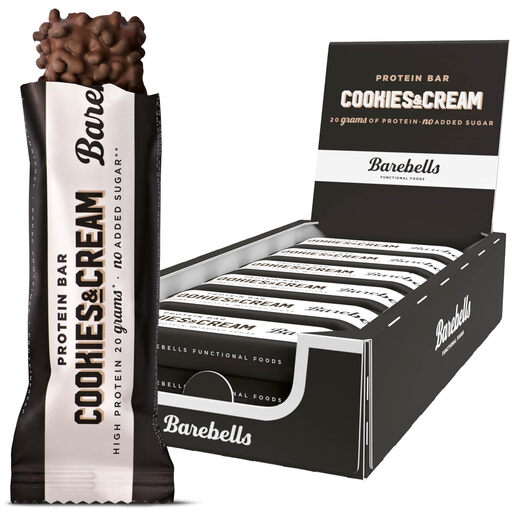
Why this product suits this profile: Individually wrapped, this protein bar is handy for the office, train journeys, walks or your gym bag. According to the nutrition information, each bar contains 20 g of protein.
Protein content is listed both per 100 g and per 55 g bar. The information also states that each bar contains 1.4 g of sugar and identifies the sweeteners used.
Pack of 12, 20 g of protein per bar, and, according to the product information, no added sugar. Milk and soya ingredients are listed as allergens.
We’ve put together a complete, regularly updated list of products that meet these strict selection criteria and fully comply with the safety regulations in force in the EU.
The right amount depends on the product and your individual daily requirements. A serving of 25 to 30 grams of powder is often recommended. Always follow the instructions on the pack. Also remember to take account of protein from everyday foods such as dairy products, eggs, pulses, fish or meat.
A protein bar can be a handy snack when you’re out and about. However, it shouldn’t automatically replace a full meal. Check the calories, fat, sugar, polyols and allergens. If you have a sensitive digestive system, a smaller portion or a product with fewer sugar alcohols may be a better choice.
Follow the manufacturer’s instructions. Several of the products listed here should be used within three to four months of opening. Store protein powder in a dry, sealed place away from light, at the room temperature stated on the pack. Drink a prepared protein shake promptly and don’t leave it unrefrigerated for an extended period.