
Lieferung heute & morgen

Qualitätsgarantie

Willkommens-Angebote freischalten: KOSTENLOSE Lieferung | Bis zu 80 % RABATT | Kostenlose 30-Tage-JoyPlus-Testphase
App herunterladen
Anyone looking to buy protein-rich foods online will find a wide range of options, from protein bars and whey protein to chicken, prawns and beef jerky, as well as tofu and mung beans. The challenge is not the number of products available, but comparing their actual nutritional values, ingredients and storage requirements.
A prominent percentage on the front of the packaging says little about the product as a whole. Protein bars can also contain high levels of fat, sugar or sugar substitutes. For example, the label on the Eat Natural Protein Bar Peanuts & Dark Chocolate lists 19.5 g of protein and 24.9 g of sugar per 100 g. The bar may be a convenient snack, but it should not be confused with a low-sugar protein bar.
Protein powders are often advertised per serving, while foods generally list their nutritional values per 100 g. For a fair comparison, both figures should be checked. According to the product information, a whey protein providing 24 g of protein per 30-g serving contains 79 g of protein per 100 g. A weight gainer, on the other hand, provides considerably more carbohydrates and calories per serving, but less protein per 100 g.
With fresh or frozen protein-rich meat, the nutritional table is not the only factor that matters. Products such as chicken, beef and prawns require an uninterrupted cold chain. When your order arrives, check the packaging, temperature instructions, thawing status and best-before date. As a rule, frozen goods should not be refrozen after thawing.
Protein content is the key figure for comparison, but it should be considered alongside energy, fat, carbohydrates and salt. Here are some examples from the product selection:
For pulses, it is also important to check whether the nutritional values refer to the dry or cooked product. Water absorption changes the nutrient density per 100 g.
When choosing high-protein snacks, it is worth checking the full ingredients list. Protein bars often contain milk, soya, peanuts, nuts, wheat or collagen. Similarly, “sugar-free” or “no added sugar” does not necessarily mean low in carbohydrates.
Maltitol and other polyols may have a laxative effect if consumed to excess. Relevant warnings can be found, among others, on Frankonia Nutrition Bar, Frankonia Chocolat Power Motion and several Premier Protein bars. If you have allergies, always refer to the information on the packaging of the specific product.
For products with a long shelf life, such as protein powder, low-carb snacks and peanuts, dry storage away from light is usually sufficient. Opened packs of tofu should be used promptly. Frozen prawns and chicken thighs should be stored in the freezer at a minimum of −18 °C. Meat and seafood must be cooked thoroughly. For perishable foods, customers should document the condition of the packaging upon delivery and contact customer service immediately if anything is not as expected.
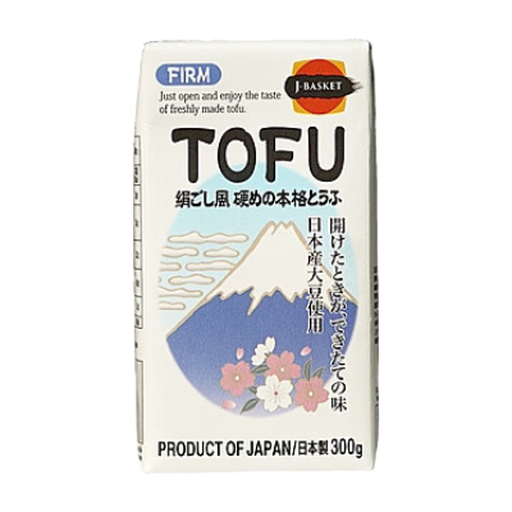
Why this product suits this profile: Firm tofu is a versatile plant-based source of protein for stir-fries, soups and barbecues. The pack size is ideal for trying it out without committing to a large stock-up.
The nutritional values are provided per 100 g. This makes it easy to compare the protein content transparently with other foods.
8.1 g of protein per 100 g, soya beans as the main ingredient and a firm texture suitable for a range of preparation methods.
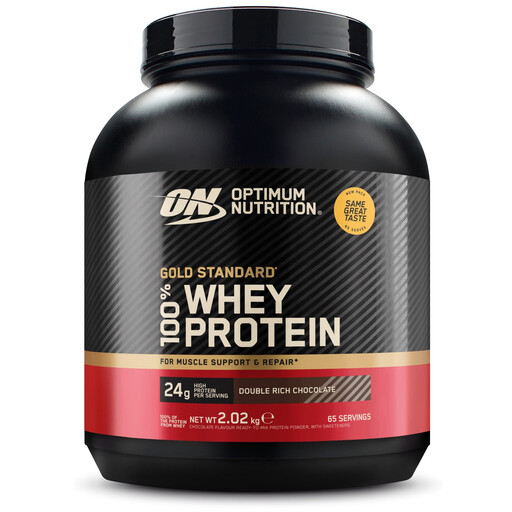
Why this product suits this profile: Ideal for athletes looking for a portion-controlled protein powder with clear information on protein, energy, sugar and ingredients.
The 30-g serving size and the value of 79 g of protein per 100 g are shown together. This makes comparison with other powders easier.
24 g of protein and 113 kcal per serving according to the product information; suitable for shakes, porridge or recipes.

Why this product suits this profile: The large pack is aimed at users with high energy requirements, for example during intensive endurance or strength-training phases.
It is not mistaken for a pure protein powder: the product information lists 76 g of carbohydrates and 11 g of protein per 100 g.
4.5 kg pack, 366 kcal per 100 g and a multi-component protein blend made from both plant and animal sources.
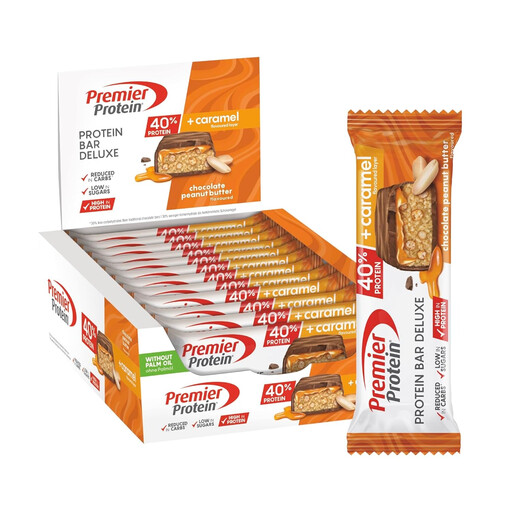
Why this product suits this profile: The individually wrapped bars can be stored and used as needed when you are out and about, at work or after training.
The advertised sugar content refers to the individual 50-g serving. Sweeteners and allergens should also be checked.
20 g of protein and 1.6 g of sugar per bar according to the product description; 12 bars weighing 50 g each.
We have put together a complete, regularly updated list of products that fully meet these strict selection criteria and the safety regulations applicable in the EU.
That depends on your personal meal plan and preferred preparation methods. Animal-based options include beef, chicken, prawns and beef jerky. Plant-based sources of protein include tofu, mung beans and peanuts. Protein powders and bars are particularly convenient when you are looking for a product with a long shelf life or one that can be portioned quickly.
No. The term “protein bar” primarily describes the type of product. Nutritional values can vary considerably. Before buying, you should check sugar, carbohydrates, polyols and protein per bar. For products containing maltitol, also take note of the warning about its possible laxative effect.
For protein powder, the protein content, serving size, allergen information, sweeteners and solubility are important. A weight gainer, on the other hand, often contains high levels of carbohydrates and calories. It should therefore only be chosen if this particular composition matches your individual energy requirements. For a balanced diet, ordinary foods remain an important foundation.