What to look for when buying
When choosing a nut snack for sport or recovery, start by checking the allergens that are relevant to you. Only then can you make a meaningful comparison of protein content and the recipe you’re looking for.
| What matters |
What to check before buying |
Who it matters to |
| Allergens and cross-contact |
The specific type of nut, highlighted allergens in the ingredients list and precautionary allergen information on the current pack. |
If I need to avoid certain nuts or peanuts, I want to check that the information on the pack fits my allergy management plan before comparing nutritional values. This would be the top shopping priority for around 50% of shoppers. |
| Protein per quantity |
Compare protein per 100 g and, for the amount you plan to snack on, check the portion information too. |
For a snack around my workout, I want to know how much protein I’ll get from the amount I’d actually eat. Around 30% of shoppers would put this comparison first. |
| Ingredients and preparation |
Read the ingredients list and check the salt, sugar and seasoning information for the product you’re considering. |
If I’m looking for a simple nut snack, I want to distinguish between plain and roasted options by checking their actual ingredients. A short ingredients list would be the main priority for around 20% of shoppers. |
Relevant brands and product ranges
The information below relates to the specific nut products or product ranges mentioned, not to a brand’s entire range.
REWE / ja!
REWE lists ja! plain cashews as containing 21 g of protein per 100 g and 6.3 g per 30 g portion.
- The portion information makes it easier to compare the product with the amount you plan to snack on.
- For this product, REWE warns that it may contain traces of other tree nuts and peanuts.
EDEKA / Gut & Günstig
EDEKA24 lists whole, plain Gut & Günstig almonds as containing 24.7 g of protein per 100 g.
- Almonds are the only ingredient listed for the product considered here.
- EDEKA24 warns that it may contain traces of other tree nuts and peanuts.
Alesto
Lidl describes both plain nuts and seasoned snacks under the Alesto brand.
- Plain cashews and almonds are among the options described by Lidl.
- Check the ingredients, nutritional values and allergen information for the specific pack you choose.
ALDI SÜD / BACK FAMILY
ALDI SÜD lists BACK FAMILY plain almonds in the 200 g pack as containing 24 g of protein per 100 g.
- The nutritional information relates to a specific almond product.
- For allergy decisions, the ingredients and precautionary allergen information on the pack are also important.
Seeberger
Seeberger offers blanched and roasted almonds, among other products. REWE lists Seeberger roasted almonds without salt as containing 26 g of protein per 100 g.
- For the roasted option listed by REWE, almonds are given as an ingredient.
- For this option, REWE warns that it may contain traces of several tree nuts and peanuts.
Nut products at Joybuy
This selection includes cashews, several types of almonds and walnuts. First, use your individual allergy triggers and the information on the current pack to decide which types of nut are suitable for you. Then consider the size and preparation when choosing a snack or ingredient for your cooking.
 No image available
Seeberger roasted cashews with no added salt, 150 g
An option for a cashew snack if cashews are suitable for you. Check the ingredients and possible traces on the current pack against your individual triggers.
View at Joybuy
 No image available
Seeberger whole natural almonds Extra, 500 g
For shoppers looking for whole, plain almonds as a snack or cooking ingredient, and who can choose almonds in line with their personal allergy management plan. Check the pack for warnings about other tree nuts and peanuts too.
View at Joybuy
 No image available
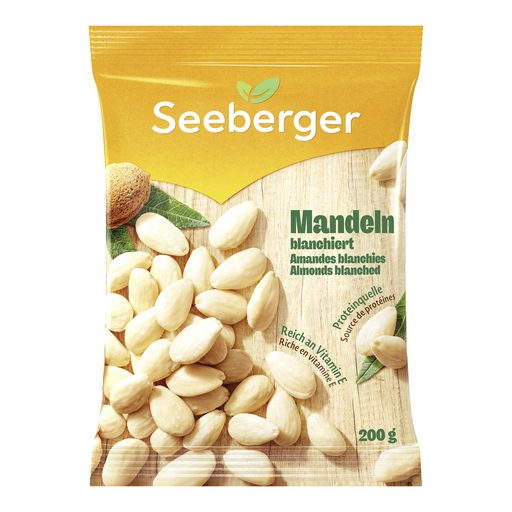
Seeberger whole blanched almonds, 200 g
An almond option for cooking if you’d prefer blanched to unskinned almonds. If you have relevant allergies, make sure the ingredients and precautionary allergen information on the current pack form part of your decision.
View at Joybuy
 No image available
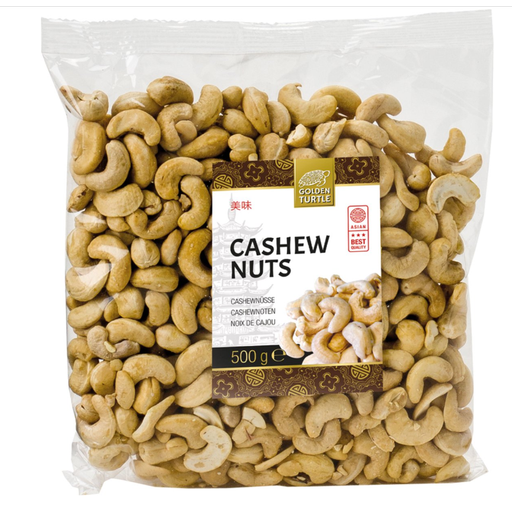
Golden Turtle cashew snack, 500 g
For a cashew snack or for use in cooking, provided cashews are suitable for you. Pay particular attention to the full ingredients and precautionary allergen information on the pack.
View at Joybuy
 No image available
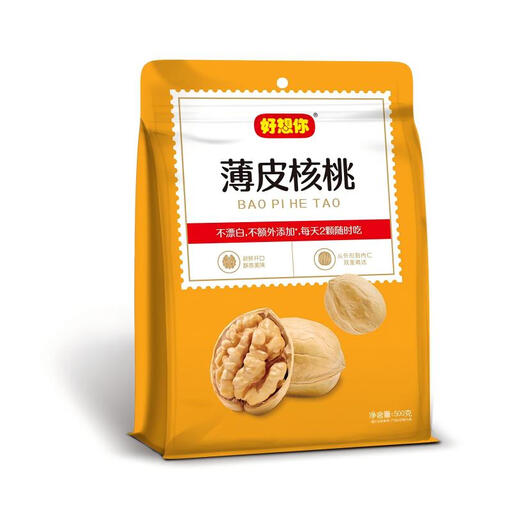
Haoxiangni thin-shell walnuts, 500 g in 8 packs
An option for shoppers who want walnuts in their shells and are happy to crack them before eating. If you need to avoid allergens, check the ingredients and precautionary allergen information on the current pack before buying.
View at Joybuy
Frequently asked questions
If I have a nut allergy, can I simply choose a different type of nut?
Not as a general rule: which types of nut and possible traces you need to avoid depends on your individually confirmed triggers. Check the specific pack in line with your personal allergy management plan, rather than assuming another type of nut will be suitable.
What does ‘May contain traces of peanuts’ mean?
The warning indicates that there may have been accidental cross-contact; it doesn’t give a reliable quantity. It doesn’t confirm that peanuts are present, but it doesn’t rule out their presence either. Your personal allergy management plan is key to deciding how to interpret it.
How do I compare the protein content of almonds and cashews?
Compare the figures per 100 g and, for a snack, take account of the portion you actually plan to eat. EDEKA24 lists Gut & Günstig almonds as containing 24.7 g of protein per 100 g; REWE lists ja! plain cashews as containing 21 g per 100 g and 6.3 g per 30 g portion. These figures apply to the products named and don’t replace an allergen check.
Should I check the pack again if I’ve bought the same nut product before?
Yes. When you buy it, check the ingredients and allergen information on the current pack. If you have an allergy that’s relevant to you, a previous purchase or product image shouldn’t replace checking the specific product.


