
Lieferung heute & morgen

Qualitätsgarantie

Willkommens-Angebote freischalten: KOSTENLOSE Lieferung | Bis zu 80 % RABATT | Kostenlose 30-Tage-JoyPlus-Testphase
App herunterladen
Protein-rich snacks and supplements can make everyday life easier for athletes, fitness enthusiasts and active adults. Protein bars fit in your gym bag, protein powder can quickly be made into a shake, and peanut butter makes a tasty addition to breakfast or a snack. However, products can vary considerably in their protein content, calories, ingredients and suitability for different diets.
As a Joybuy Product Recommendation Officer, I filter relevant product data and organise it around specific uses. This makes it easier to see whether a product suits your personal muscle-building diet, a calorie-controlled diet or a higher energy requirement.
A product may advertise a high protein content, even if the recommended serving is very large. So always compare:
A protein bar with 20 g of protein isn’t automatically low in calories. Conversely, a whey protein providing around 24 g of protein per 30 g serving can be a compact supplement without adding many extra calories.
When choosing a low-carb protein bar, check the full nutrition table. Sugar alcohols such as maltitol or sorbitol can affect the carbohydrate content and may have a laxative effect if consumed in excess. Several protein bars, for example, carry this warning.
A reduced-carbohydrate recipe can also contain a relatively high amount of fat or energy. What matters is whether the product fits your daily requirements.
Whey protein and casein come from milk. Plant-based products may contain soya, pea or sunflower protein. Many bars also contain peanuts, nuts, gluten or milk ingredients.
Check the ingredients and allergen information before buying. This is especially important if you have an intolerance, follow a vegan diet or combine several products on the same day.
Whey protein is made from milk and is popular with many athletes because it’s easy to prepare as a shake. According to the product information, Optimum Nutrition Gold Standard 100% Whey provides 23.7 g of protein per 30 g serving. Its ingredients include whey protein isolate and whey protein concentrate.
If you want to avoid animal-derived ingredients, you can choose vegan protein powder. For blends of soya, pea and sunflower protein, it’s worth checking the protein content, sweeteners and serving size.
A standard powder for adding protein isn’t the same as a weight gainer. According to the product information, Optimum Nutrition Serious Mass is designed to provide more than 1,250 kcal and 50 g of protein per serving. A serving contains around 340 g of powder and more than 250 g of carbohydrates.
This may be relevant for people with high calorie requirements. For a small snack or a calorie-conscious diet, however, such a serving may be disproportionately large. A shake made with 30 g of powder or a single bar is usually easier to portion accurately.
Protein bars are convenient, but depending on the recipe they may contain sugar, sugar alcohols, fat and fibre. Classic peanut butter also provides protein, but is high in calories. According to the product information, PCD Peanut Butter 500 g contains 27 g of protein and 634 kcal per 100 g. It’s therefore a good idea to measure out your portion.
Savoury protein-rich spreads can also be an alternative to sweet snacks. According to the product information, Saupiquet Classic Tuna Pâté Spread contains 13.5 g of protein per 100 g, as well as 16 g of fat and 1.4 g of salt. It can be used as a spread on the go, for example, but as it contains fish and milk, it should be stored appropriately and used within the stated time after opening.
The recommendations below assess products based on their stated nutritional values, ingredients and usage information. They are not a substitute for personalised dietary advice.
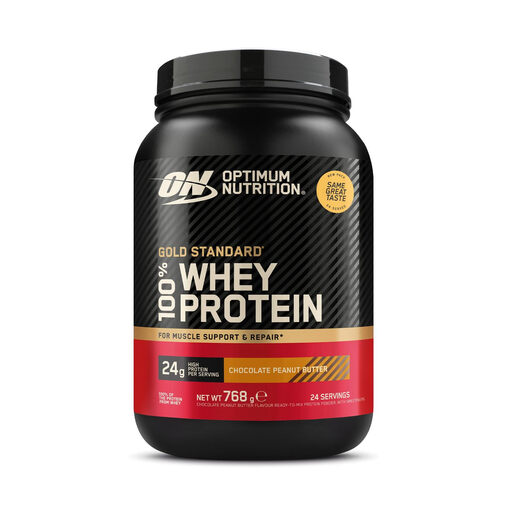
Why this product suits this profile: The powder can be measured out in 30 g portions and, according to the product information, mixed with 200–300 ml of water or milk. This makes it easy to add protein to your everyday routine gradually.
The serving size is clearly stated, making it easier to compare the actual protein and calorie content with other products.
23.7 g of protein per 30 g serving, according to the product information; a powdered formula with several preparation options.
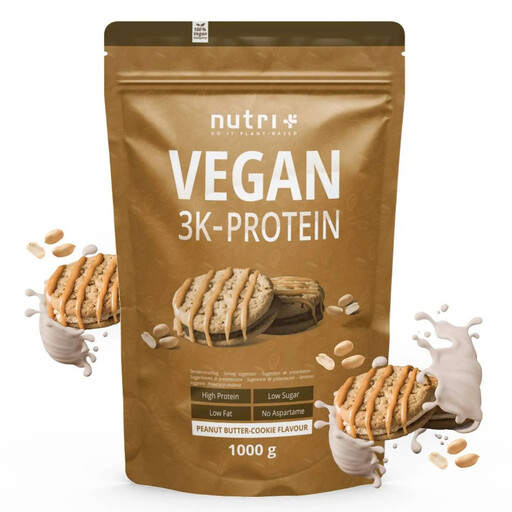
Why this product suits this profile: The plant-based blend of soya, pea and sunflower protein is designed for people who want to include vegan protein powder in their daily diet.
The individual protein sources are listed in the ingredients, so shoppers don’t have to rely on the word “plant-based” alone.
24 g of protein per 30 g serving, according to the product information; wheat-free, with preparation in a shaker recommended.
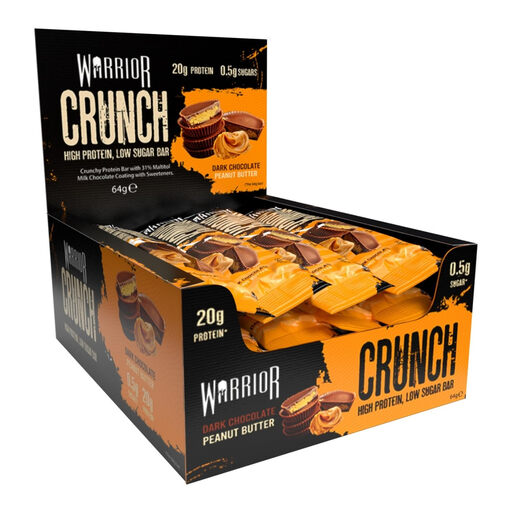
Why this product suits this profile: This individually portioned bar is designed for eating on the go, after a workout or as a convenient packaged snack. According to the product information, one 64 g serving contains 20 g of protein and less than 3 g of net carbohydrates.
The pack contains 12 individually wrapped bars, making portion control easier. Be sure to note the warning that excessive consumption may have a laxative effect.
20 g of protein per bar, according to the product information; a low-carb claim with a clearly stated serving size of 64 g.
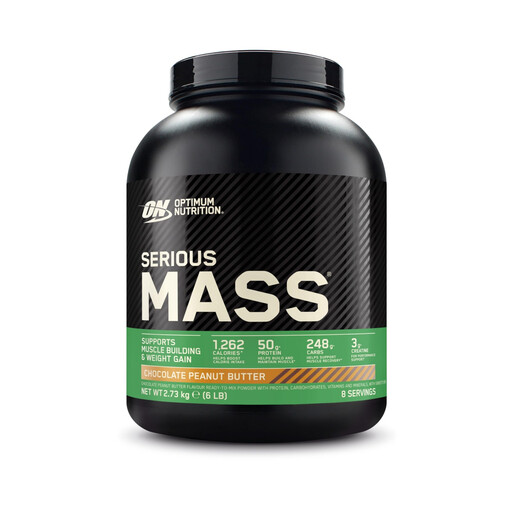
Why this product suits this profile: This weight gainer is aimed at adults who want to include a large serving of calories and protein between meals or after intense exercise.
The very large serving size is clearly stated. This helps distinguish the gainer from a standard protein powder and makes it easier to factor into your daily intake.
More than 1,250 kcal and 50 g of protein per stated serving; mix with 700–800 ml of liquid.
We’ve put together a complete, regularly updated list of products that meet these strict selection criteria and fully comply with the safety regulations in force in the EU.
That depends on your individual daily requirements, meals and level of exercise. Comparing the protein content per serving and per 100 g can be helpful. A bar with 12 g of protein may be enough for a small snack, while a shake with around 20 to 25 g of protein provides a more substantial boost. Consider your total intake over the course of the day.
The best-before date is printed on the packaging. Unopened products should be stored in a cool, dry place, away from direct sunlight. Seal the container tightly after opening. Drink prepared shakes promptly and don’t leave them unrefrigerated for extended periods.
Not every high-protein snack is automatically low carb. Check the carbohydrates, sugar and sugar alcohols per serving. Bars may also be relatively high in fat and calories. So consider the full nutrition table, ingredients list and intended serving size when making your choice.