
Lieferung heute & morgen

Qualitätsgarantie

Willkommens-Angebote freischalten: KOSTENLOSE Lieferung | Bis zu 80 % RABATT | Kostenlose 30-Tage-JoyPlus-Testphase
App herunterladen
A protein shake can provide a simple way to supplement your daily protein intake – after training, between meals or while you’re out and about. The choice ranges from classic whey protein powder and multi-component blends to ready-to-drink protein shakes. However, this variety can make choosing the right product confusing.
Some products advertise high protein figures but base them on 100 g of powder. A more meaningful comparison is protein per serving and the actual recommended amount of powder. A shake containing 75 g of protein per 100 g provides approximately 22.5 g of protein in a 30 g serving – provided the nutritional information applies to the flavour in question.
Whey protein can be prepared with water or milk. Using milk increases the energy, carbohydrate and sugar content. If you are choosing a low-sugar protein shake, check whether the nutritional information refers to the powder or the fully mixed shake.
Terms such as ‘no added sugar’ do not automatically mean sugar-free, either. The ingredients list and nutritional table remain crucial.
A 2- or 3-kilogram container may appear cheaper per serving. However, if you have not tried the flavour before or only drink a protein shake occasionally, you are committing to one product for a long time. For beginners or those who like to vary their flavours, 300 to 450 g packs or individual servings may be more practical.
Whey protein comes from milk and is commonly used as a concentrate, isolate or hydrolysed protein. Alongside protein, a concentrate typically contains some fat, carbohydrates and milk components. An isolate generally has a higher protein content. However, the exact composition should always be assessed using the ingredients list.
Multi-component products combine different protein sources. According to the product information, the Power System 5K Vanilla Protein Shake contains, among other ingredients, whey protein concentrate, calcium caseinate, soya protein isolate and bovine collagen hydrolysate. This is relevant for people who specifically want only milk protein or who wish to distinguish between animal and plant-based protein sources.
Look out for:
For the products listed, protein content ranges, for example, from 71 to 79 g per 100 g of powder. A ready-to-drink product, on the other hand, is specified by liquid volume: according to the product information, the Optimum Nutrition High Protein Shake contains 25 g of protein per 330 ml bottle.
Milk or whey and soya are among the allergens that must be declared for several products. Depending on the recipe, egg, gluten or peanuts may also be relevant. If you are sensitive to certain ingredients, check the packaging information before buying and before trying each new flavour.
Preparation is equally important: some powders are mixed with around 180 to 240 ml of water, while others require 200 or 300 ml of liquid. A scoop makes measuring easier. With a ready-made protein shake, there is no need to weigh anything; however, you should follow the storage instructions and consume it within the recommended period after opening.
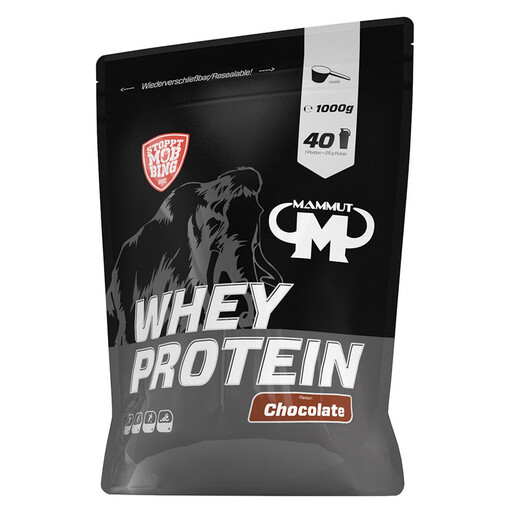
Why this product suits this profile: The 1,000 g pack is suitable for people who want to prepare protein shakes regularly without immediately buying a bulk container. According to the product information, one serving provides 27 g of protein when prepared with milk.
The information states both the serving size and the protein content. This makes it easier to compare your actual requirements with the pack size.
Whey protein concentrate, measuring scoop and preparation with water or milk; the pack is designed for regular, but not daily, heavy users.
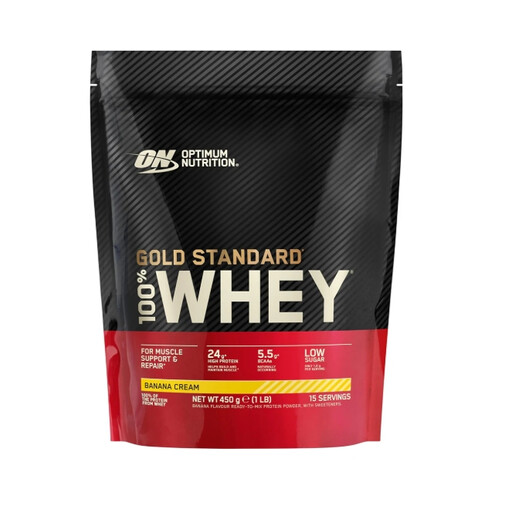
Why this product suits this profile: According to the product description, the recipe combines whey isolate, whey concentrate and hydrolysed whey peptides. Each 31 g serving provides 24 g of protein and 115 kcal.
The nutritional table states the values for a specific serving. This means buyers do not have to rely solely on the advertised protein content per 100 g.
24 g of protein per serving, 1.2 g of fat and 0.7 g of sugar according to the stated nutritional values; suitable for shakes, smoothies or high-protein recipes.
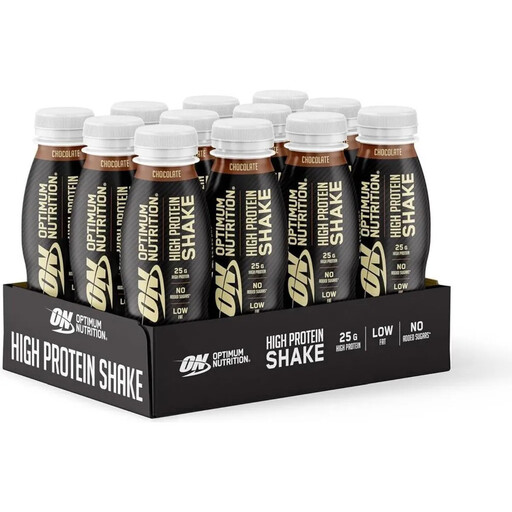
Why this product suits this profile: This ready-made shake is suitable for commuters, professionals and athletes who do not want to weigh powder or clean a shaker after training or while out and about.
Each serving is defined as an individual 330 ml bottle. This removes the uncertainty of calculating quantities of powder, milk and water.
25 g of protein per bottle, 1.0 g of fat and no added sugar according to the product information; store chilled after opening and consume within three days.
We have put together a complete, regularly updated list of products that fully meet these strict selection criteria and the safety regulations applicable in the EU.
A protein shake can be incorporated into your daily routine after training, between meals or at another suitable time. Your overall diet is what matters, not one specific window of time. To prepare it, mix the powder and liquid in the stated ratio and drink it as soon as possible.
If you want to save calories, use water. Milk or a plant-based drink changes the flavour and nutritional values. Do not exceed the recommended daily amount stated on the relevant label. Food supplements should not be used as a substitute for a varied and balanced diet.
This depends on your individual daily requirements and the rest of your diet. In practical terms, products can be compared by looking at the protein content per serving. The examples featured provide approximately 22 to 30 g of protein per serving. The information on the packaging is the definitive source.
No. Low sugar says nothing about the total energy content. Fat, carbohydrates, milk and the serving size can also contribute calories. Therefore, check the energy, fat, carbohydrates and sugar content together.
Follow the best-before date and the manufacturer’s instructions. Powder should be stored in a dry, sealed, cool place and protected from light. A ready-mixed shake is not the same as dry protein powder and should therefore be consumed promptly in accordance with the manufacturer’s instructions.