
Lieferung heute & morgen

Qualitätsgarantie

Willkommens-Angebote freischalten: KOSTENLOSE Lieferung | Bis zu 80 % RABATT | Kostenlose 30-Tage-JoyPlus-Testphase
App herunterladen
A protein shake can be useful after a workout, between meals or on your way to work. The options range from ready-to-drink protein shakes and whey and casein protein to meal replacement shakes and weight gainers. But differences in protein content, calories, ingredients and storage determine whether a product suits your needs.
1. Protein content and serving size are confused.
A large pack doesn’t automatically mean lots of protein-rich servings. What matters is the information per serving and per 100 millilitres or 100 grams. For a ready-to-drink protein shake, you should also take the bottle size into account.
2. A protein shake isn’t automatically a complete meal.
A whey protein shake is generally intended to supplement your daily protein intake. A meal replacement shake, on the other hand, often also contains carbohydrates, fats, fibre, vitamins and minerals. These two types of product serve different purposes, so you shouldn’t compare them on taste alone.
3. Calories and sugar don’t always suit your goal.
If you want to lose weight or manage your calorie intake, check the energy, fat and sugar per serving. For people with high energy needs, a weight gainer with plenty of carbohydrates may be more suitable. The term ‘high protein’ alone tells you little about the overall nutritional content.
In a classic whey protein shake, the protein usually comes from whey. Casein protein is digested more slowly, so it’s often used between meals or in the evening. Plant-based or blended protein sources may suit people with particular dietary preferences.
Check:
A ready-to-drink protein shake can be consumed straight away, while protein powder needs to be mixed with water or milk. This also affects convenience, shelf life and cost per serving.
A moderate calorie content may be enough for a post-workout shake. According to the available product information, the Optimum Nutrition High Protein Shake contains 25 grams of protein and 185 kilocalories per 330-millilitre bottle. Each bottle is also listed as containing 1.0 grams of fat and 13 grams of sugar. According to the labelling, the sugar comes from naturally occurring ingredients, with no additional sugar added.
A weight gainer is designed for a different purpose. According to the product information, Mammut Nutrition Crash Weight Gainer products provide around 365 to 389 kilocalories per 100 grams, depending on the variant, and contain around 78 to 83 grams of carbohydrates per 100 grams. This nutritional profile may be relevant for people with increased energy needs, but it won’t automatically suit every everyday situation.
A pouch of powder takes up little space and can be portioned as needed. A ready-to-drink protein shake doesn’t require a shaker, but it’s heavier to carry and needs to be refrigerated after opening. For meal replacement shakes, it’s particularly important to follow the label instructions: several products need to be refrigerated after opening and used within 24 hours.
Pack size also affects the cost per serving. A variety pack with several flavours may be a good choice for beginners, while a one-kilogram pouch means fewer packaging changes if you use it regularly. So don’t just compare the pack price: check the price per serving.
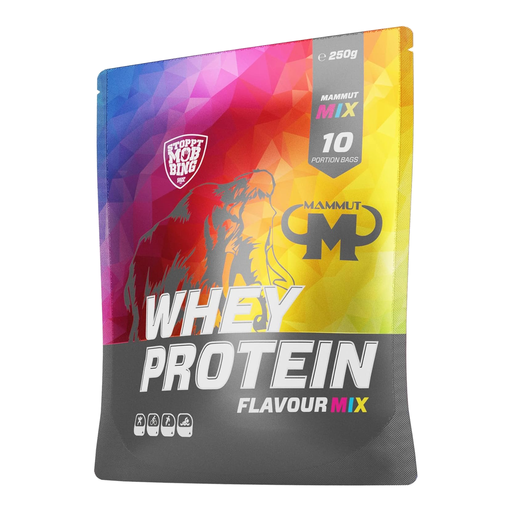
Why this product suits this profile: Ten individual portions in different flavours make it easy to try protein powder without having to buy a large pouch straight away.
The individual sachets make it easy to keep track of how much you’re using and reduce the risk of ending up with a large pack you don’t use.
According to the product information, one serving contains 25 grams of powder and 27 grams of protein. The box includes ten flavours.
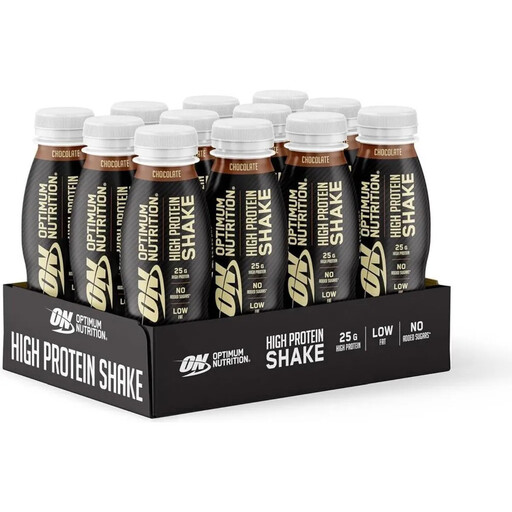
Why this product suits this profile: This ready-to-drink shake is a good option for anyone who wants a clearly portioned source of protein without mixing, whether at the office, while travelling or after a workout.
The nutritional information is given per 330-millilitre bottle, making it easy to assess the protein, calories, fat and carbohydrates before you buy.
According to the product information, each bottle provides 25 grams of protein and 185 kilocalories, and contains 1.0 grams of fat.

Why this product suits this profile: This large pack is aimed at endurance and performance athletes with regularly increased calorie and carbohydrate needs.
The nutrition table makes it clear that this product focuses on carbohydrates and calories, so you’re less likely to mistake it for a low-calorie whey product.
According to the product information, the chocolate variant contains 80 per cent carbohydrates; one serving made with milk provides 518 kilocalories.
We’ve put together a complete, regularly updated list of products that meet these strict selection criteria and fully comply with the safety regulations in force in the EU.
A protein shake can be a convenient option when a protein-rich meal isn’t available or you need a portioned option after a workout. It doesn’t automatically replace a varied diet. What matters is your personal daily requirement, the rest of your diet and the product information.
The best-before date applies to unopened packaging, so check it on the product. Many ready-to-drink shakes need to be refrigerated after opening and consumed within 24 hours or within the time stated on the label. Store powder in a dry, sealed pouch, away from direct sunlight.
Powder often works out cheaper per serving because it takes up less space during transport and needs less packaging. A ready-to-drink protein shake is more convenient and doesn’t require water or a shaker. For a fair comparison, check the price per serving and the amount of protein in each.