
Lieferung heute & morgen

Qualitätsgarantie

Willkommens-Angebote freischalten: KOSTENLOSE Lieferung | Bis zu 80 % RABATT | Kostenlose 30-Tage-JoyPlus-Testphase
App herunterladen
A protein shake can be a convenient option after a workout, between meals or when you’re on the go. The choice ranges from classic whey protein and vegan protein shakes to high-calorie mass gainers. However, eye-catching marketing claims don’t automatically mean a product is right for you. What matters is the nutritional information, ingredients, serving size and how you actually plan to use it.
“25 g of protein per serving” sounds clear enough at first. But depending on the product, one serving might contain 25 g of powder, 40 g of powder or more than 300 g. So compare the protein content per 100 g as well as the serving size.
A ready-to-drink protein shake with 25 g of protein may work well as a snack, while a mass gainer with 50 g of protein can also provide over 1,200 kcal and more than 250 g of carbohydrates. Both products fall into the protein shake category, but they serve different purposes.
An egg white protein shake can still contain significant amounts of carbohydrates, sugar or fat, despite its high protein content. Check the nutrition table per 100 ml or per 100 g. For ready-to-drink products, it’s also important to check whether sugar has been added or whether the sugars occur naturally.
Depending on the recipe, products may contain whey protein, milk protein, casein, egg, soya, peanuts or gluten. Plant-based products aren’t automatically allergen-free either. If you’re choosing a vegan option, look for clear labelling and check the full ingredients list. Always refer to the packaging, as recipes and nutritional information can change.
Whey protein or whey isolate are common choices for a classic post-workout protein shake. Whey concentrate usually contains a little fat and carbohydrate alongside the protein. One example is ESN Designer Whey Protein Milk Chocolate, which, according to the product information, contains 76 g of protein per 100 g. The ingredients list includes a blend of whey concentrate and whey isolate.
Plant-based alternatives include soya, pea and fava bean protein. A plant-based protein drink can be a convenient option for vegans, vegetarians or anyone avoiding dairy. However, protein content varies considerably: according to the product information, Vly High Protein Milk Alternative contains 5 g of protein per 100 ml, while a classic soya drink often contains considerably less.
Choose the calorie content to suit how you plan to use the product:
According to the product description, Optimum Nutrition Serious Mass Vanilla provides 1,268 kcal, 50 g of protein and 256 g of carbohydrates per 334-g serving. That’s not a small snack between meals, but a very large serving. If you’re new to the product, follow the recommended serving size and consider how well you tolerate it.
Powder is usually compact and can be mixed with water, milk or a plant-based drink. A ready-to-drink protein shake, on the other hand, is ready to drink straight away, but takes up more storage space and may need to be refrigerated, depending on the product. Once opened, follow the product’s guidance on how soon it should be consumed.
Also check for:
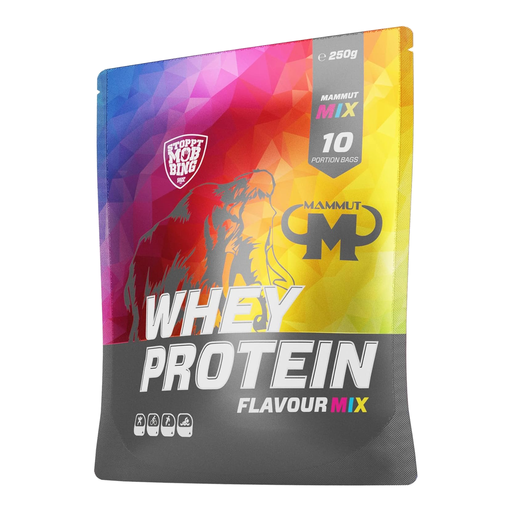
Why this product suits this profile: Ten single-serving sachets, each containing 25 g of powder, let you try different flavours without having to buy a large pack straight away.
The single servings make the amount of powder clear and reduce the risk of buying a large pack in a flavour you don’t like.
According to the product information, one serving contains 27 g of protein; the sachets are designed to be mixed with water or milk.
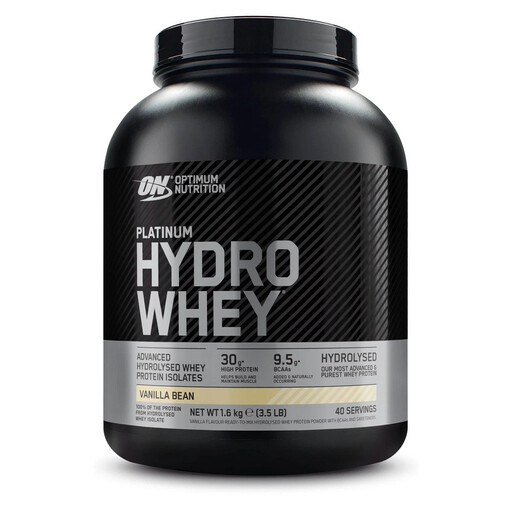
Why this product suits this profile: The formula focuses on hydrolysed whey isolate and is aimed at people who compare nutritional information and protein sources in detail.
The serving is clearly stated as 40 g of powder and 30 g of protein, making it easier to assess the protein and calorie content.
According to the product information, one serving provides 30 g of protein, 0.7 g of fat and 2 g of carbohydrates.
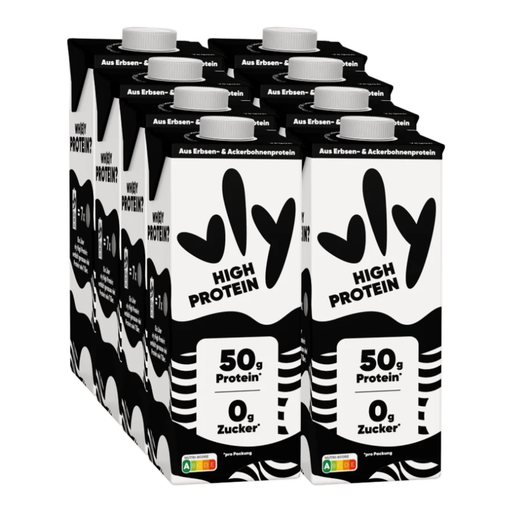
Why this product suits this profile: Its plant-based recipe, made with fava bean and pea protein, is suitable for people who want to avoid milk.
The product information states that it contains 0 g of sugar and 5 g of protein per 100 ml, making it easy to compare with standard plant-based drinks.
The product information lists 42 kcal and 2.2 g of fibre per 100 ml; the drink is available in a 1-litre pack.
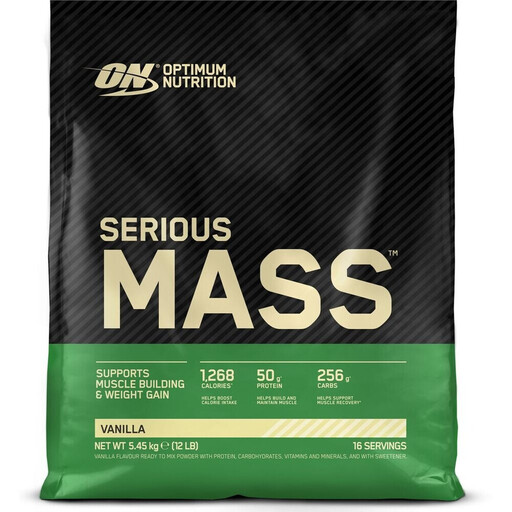
Why this product suits this profile: This mass gainer is aimed at adults with high calorie and carbohydrate needs who use a large pack of powder regularly.
The very large serving size is clearly stated. If you’re only looking for a small protein shake, this can help you avoid making the wrong choice before you buy.
According to the product information, one serving contains 50 g of protein, 256 g of carbohydrates and 1,268 kcal; it also lists 3 g of creatine.
We’ve put together a complete, regularly updated list of products that meet these strict selection criteria and fully comply with the safety regulations in force in the EU.
A protein shake after a workout can be convenient if a protein-rich meal isn’t readily available. However, not everyone needs to have one at a set time. What matters is your overall daily diet. Consider the serving size, calories and how well you tolerate it.
Unopened products should be stored until the best-before date printed on the packaging. Once opened, follow the manufacturer’s instructions. For example, Optimum Nutrition High Protein Shake should be refrigerated after opening and consumed within three days. yfood products have a considerably shorter recommended period after opening. Always follow the packaging instructions.
For powder, work out the cost per serving by dividing the pack price by the number of servings listed. For ready-to-drink protein shakes, factor in the price per bottle too. A mass gainer may seem economical per pack, but it contains much larger servings. So always compare the cost per 20 to 30 g of protein, not just the pack price.