
Lieferung heute & morgen

Qualitätsgarantie

Willkommens-Angebote freischalten: KOSTENLOSE Lieferung | Bis zu 80 % RABATT | Kostenlose 30-Tage-JoyPlus-Testphase
App herunterladen
A protein shake can be a convenient addition after a workout, between meals or when you’re on the go. But there’s plenty of choice, from classic protein powder and whey protein to high-calorie mass gainers, plant-based drinks and ready-made meal replacements. Not every product is right for every goal.
Two or three common buying misconceptions are particularly likely to lead to the wrong choice:
Start by checking the nutrition table. A whey product, for example, may provide around 20 to 30 g of protein per serving, while a ready-to-drink high-protein drink often comes in a clearly defined bottle size. According to the product information, ESN Designer Whey Protein contains 76 g of protein per 100 g of powder. Optimum Nutrition High Protein Shake contains 25 g of protein per 330 ml bottle.
Check the:
The term “protein shake for muscle building” simply describes the product’s intended nutritional purpose. It’s no substitute for a balanced diet and doesn’t constitute a medical claim.
For a post-workout top-up, a powder or ready-to-drink protein shake with a moderate calorie content is often enough. According to the product information, Optimum Nutrition High Protein Shake contains 185 kilocalories per 330 ml. That can be handy for work, travel or your gym bag.
A mass gainer is designed for a different purpose. Depending on the variant, Optimum Nutrition Serious Mass provides around 1,250 to 1,268 kilocalories per serving, as well as around 50 g of protein and more than 250 g of carbohydrates, according to the product information. A full serving may therefore appeal to people with higher calorie needs, but should be factored into your daily energy intake. If you’re new to it, a smaller amount may be more suitable, provided this is in line with the pack instructions.
Dairy-based products often contain whey or milk protein. If you follow a vegan diet, options include soya, pea or fava bean protein. Check the ingredients list for milk, egg, soya, peanuts, nuts and gluten.
Preparation also affects the nutritional values:
For a meal replacement shake, you should also consider fibre, vitamins, minerals and the total calorie content. A drink like this isn’t automatically suitable for every meal or every daily nutritional requirement.
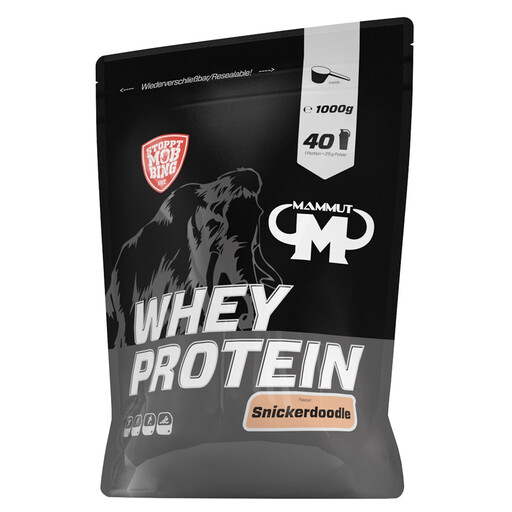
Why this product suits this profile: This powder is a good choice if you want to measure out a classic whey protein shake yourself and make it with water or milk. According to the product information, one serving provides 27 g of protein.
The stated serving size of 25 g and protein content make it easier to compare. Note that it contains milk, an allergen.
1 kg pouch, several flavours in the range, and can be made with water or milk.
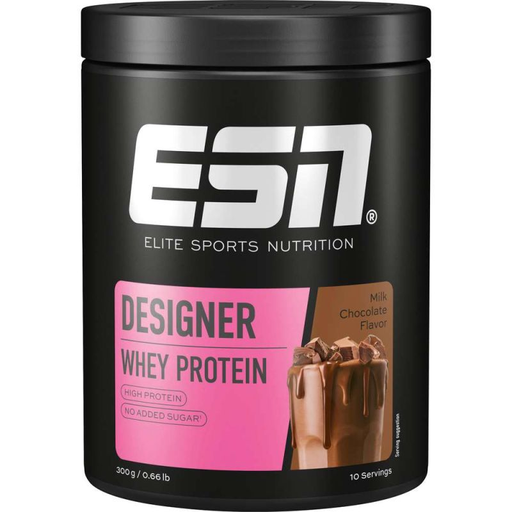
Why this product suits this profile: The blend of whey concentrate and whey isolate is for shoppers who want to compare ingredients and nutrition information in detail.
With 76 g of protein and 5.9 g of carbohydrates per 100 g, the key figures are easy to check.
92% whey protein blend according to the ingredients information; suitable for shakes, porridge and baking recipes.
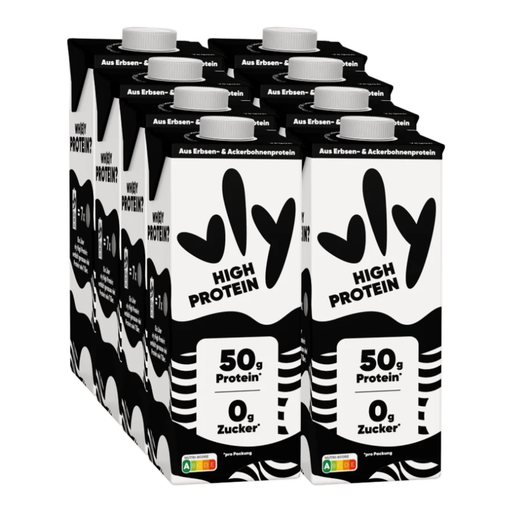
Why this product suits this profile: According to the product information, this plant-based milk alternative contains 5 g of protein and 0 g of sugar per 100 ml. It can be used in shakes, smoothies or muesli.
The protein content is given per 100 ml, so you can work out how much protein is in the shake you make yourself.
Fava bean and pea protein, 2.2 g of fibre, plus added calcium, vitamin B12, vitamin D3, selenium and iodine according to the product information.
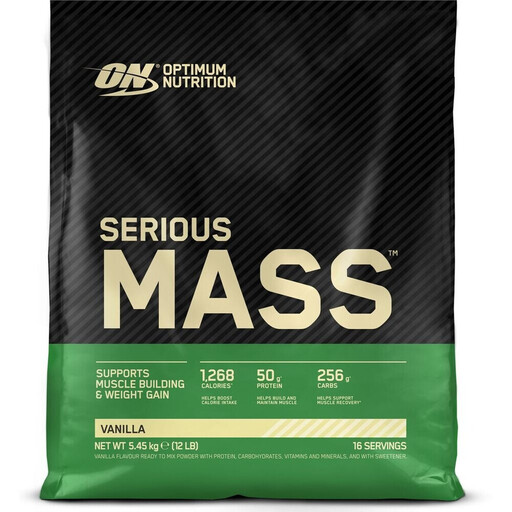
Why this product suits this profile: This mass gainer is aimed at adults with high calorie and carbohydrate needs who want to plan their servings carefully.
The large serving size and calorie content of 1,268 kcal are clearly stated. A half serving can make it easier to manage your intake.
According to the product information, each 334 g serving contains 50 g of protein, 256 g of carbohydrates and 3 g of creatine; contains milk, egg and wheat.
We’ve put together a complete, regularly updated list of products that meet these strict selection criteria and fully comply with the safety regulations in force in the EU.
You can fit a protein shake in after a workout whenever it suits you. More important than sticking to a narrow time window is making sure your diet as a whole provides enough protein and energy each day. A ready-to-drink shake is handy for the office, car or gym bag. Powder is usually more adaptable, as you can mix it with water, milk or a high-protein milk alternative.
For ready-to-drink shakes, follow the instructions on the packaging once opened. Products such as yfood or Vly need to be refrigerated after opening and consumed within the stated time. Don’t leave prepared shakes unrefrigerated for long periods.
A shake made with water or milk is best drunk straight away. If you’re using milk or plant-based drinks, follow the storage instructions and guidance from the relevant manufacturer. Store an opened ready-to-drink shake as directed on the packaging and consume it promptly.
It depends on your diet, tolerance and goals. Whey protein comes from milk and provides a concentrated source of protein. A plant-based protein shake may be made from soya, peas, fava beans or a blend. The key things to check are the ingredients, protein content, allergens and your personal preferences.
To work out the cost per serving, divide the purchase price by the number of servings. For powder, you should also take the recommended serving size in grams into account. With ready-to-drink products, you’re also paying for the packaging and convenience. A large mass gainer may seem inexpensive per serving, but it contains considerably more calories than a regular protein shake.