
Lieferung heute & morgen

Qualitätsgarantie

Willkommens-Angebote freischalten: KOSTENLOSE Lieferung | Bis zu 80 % RABATT | Kostenlose 30-Tage-JoyPlus-Testphase
App herunterladen
By the Joybuy Product Recommendation Officer, July 28, 2026
The market for protein products is vast, and choosing the right protein shake can quickly become overwhelming. Whether you're looking to support muscle growth, supplement a health-conscious diet, or just need a convenient snack, manufacturers make a wide range of promises. However, not every product delivers on its initial claims. This guide will help you avoid common purchasing pitfalls and make an informed decision.
Many consumers invest in products that don't align with their goals. Marketing claims can be misleading. Pay close attention to these three points to avoid a poor investment.
To find the right product, you should focus on objective criteria. The following three parameters are decisive for the quality and suitability of a protein shake.
The type of protein determines its properties and intended use. A fundamental distinction is made between animal and plant-based sources.
A short ingredients list is often a good sign. Pay attention to the sugar content per 100g. Products with less than 5g of sugar per 100g are considered low-sugar. Many manufacturers use sweeteners like sucralose or stevia. If you prefer to control the flavour yourself, you can opt for unflavoured powders and enhance them with a sugar-free syrup or fruit as desired.
The choice between a powder and a ready-to-drink shake depends on your priorities.
Based on the criteria mentioned, we have put together a selection of products for various needs.
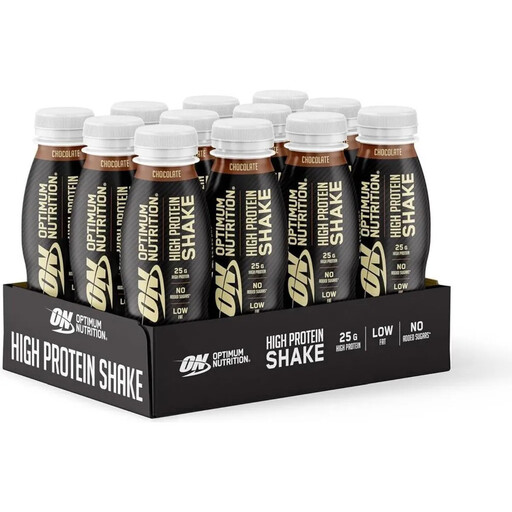
Why This Fits Their Persona: Ideal for individuals who need a quick and convenient protein source immediately after a workout or while on the go. No prep, no shaker—just open and drink.
This ready-to-drink shake contains no added sugar and provides transparent nutritional information. It completely bypasses the pitfall of poor powder mixability.
25g of protein per bottle: A high dose to support recovery. Low in fat: With only 1.0g of fat per 330ml bottle, it fits into many diet plans.
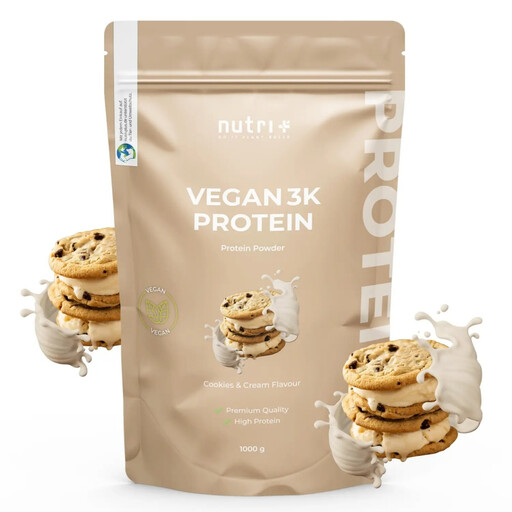
Why This Fits Their Persona: For athletes who follow a purely plant-based diet and value a complete amino acid profile. The powder format offers flexibility for shakes and recipes.
By combining three plant-based protein sources (soy, pea, sunflower), it avoids the trap of an incomplete amino acid profile common in cheaper, single-source powders.
High biological value: Contains all essential amino acids. 23g of protein per serving: Effectively supports the maintenance and growth of muscle mass.
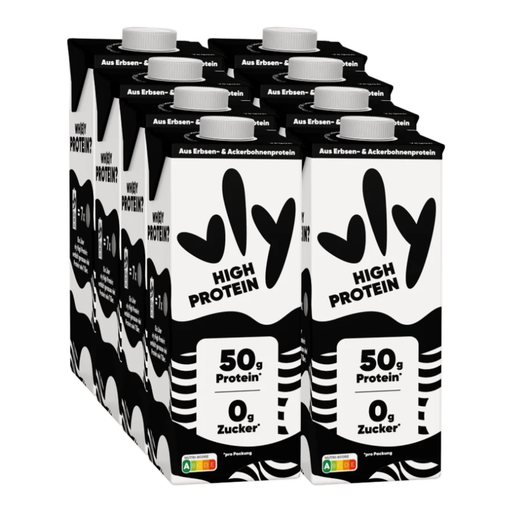
Why This Fits Their Persona: Perfect for anyone seeking a versatile protein solution that can replace both milk and protein powder. It's suitable for shakes, cereal, coffee, or for use in cooking and baking.
With 0 grams of sugar per 100ml, this product directly addresses the hidden sugar trap. It's a transparent, all-in-one solution instead of a sugary fitness drink.
50g of protein per litre: A very high protein density for a milk alternative. Fortified with vitamins & minerals: Contains Vitamin B12, D3, calcium, selenium, and iodine.
We've compiled a complete, up-to-date list of products that fully meet these strict selection criteria.
1. How much protein shake per day is reasonable? The required amount of protein is individual and depends on factors like body weight, activity level, and dietary goals. For most active individuals, one to two shakes per day is a reasonable guideline. A protein shake should supplement a balanced diet, not replace it.
2. Can I lose weight with protein shakes? Protein shakes can support weight management, as protein can contribute to a longer-lasting feeling of fullness. However, weight loss is only achieved through a calorie deficit. A shake alone is no guarantee of weight loss, but it can be a useful part of a corresponding diet plan, especially sugar-free varieties.
3. Does every protein powder dissolve equally well? No, solubility can vary depending on the protein source, processing, and added emulsifiers. So-called "instantised" powders are optimised for better solubility. A practical tip: Always add the liquid to the shaker first, and then add the powder. This prevents powder from sticking to the bottom.