
Lieferung heute & morgen

Qualitätsgarantie

Willkommens-Angebote freischalten: KOSTENLOSE Lieferung | Bis zu 80 % RABATT | Kostenlose 30-Tage-JoyPlus-Testphase
App herunterladen
If you’re looking to buy protein shakes and sports nutrition, you’ll find a wide choice of whey protein, mass gainers, meal replacement shakes and pre-workout boosters. The range includes everything from ready-to-drink bottles for when you’re on the go to high-calorie powders for people looking to gain muscle mass.
However, product information can vary considerably. For example, a low fat content doesn’t tell you how many calories a product contains, while a high protein content doesn’t automatically make a shake suitable as a meal. To make an informed choice, consider your goals, serving size, ingredients and how well the product fits into your daily routine.
Packaging often lists protein content per 100 grams or 100 millilitres. But when you’re deciding what to buy, what matters is how much protein you’ll get in a realistic serving. A ready-to-drink protein shake with 25 grams of protein per 330-millilitre bottle is easier to assess than a powder with a serving size of more than 300 grams.
Products such as Serious Mass provide more than 1,250 kilocalories and around 250 grams of carbohydrates per serving, according to the product description. This may be relevant for people with high energy needs. But if you simply want to supplement your daily protein intake, a full serving could add far more calories than you intended.
Whey protein is primarily focused on providing protein. A meal replacement shake, on the other hand, often contains carbohydrates, fats, fibre, vitamins and minerals too. Check the nutrition table and serving size to confirm whether a product is a “Meal Replacement” rather than relying on the marketing copy alone.
Compare the amount per serving, as well as the price per 20 or 25 grams of protein. Whey protein is made from milk and is found in many powders and ready-to-drink products. If you have a milk allergy or intolerance, check the ingredients and allergen information carefully.
The product information available for Optimum Nutrition Gold Standard 100% Whey lists 22.2 to 23.7 grams of protein per 30-gram serving, depending on the size and flavour. Always refer to the packaging for the definitive nutritional information.
Protein isn’t the only thing that matters when you’re building muscle or gaining weight. Your overall energy intake counts too. A mass gainer usually combines protein with a larger amount of carbohydrates. When comparing products, look at kilocalories, carbohydrates, sugar and fat per serving side by side.
A product with 500 kilocalories per 500-millilitre bottle could be a convenient meal option when you’re out and about. But it won’t automatically replace every meal you’ve planned for yourself.
Check the ingredients list for milk, soya, egg, gluten or cereals, and sweeteners. For pre-workout boosters, the caffeine content is also important. The 5% Nutrition 5150 product is described as containing 470 milligrams of caffeine per serving. That’s a high amount, so be sure to consider the recommended serving, your personal sensitivity to caffeine and any other sources of caffeine you consume that day. Avoid exceeding the recommended amount.
Food supplements are not a substitute for a balanced and varied diet. If you have an existing medical condition, take medication, are pregnant or are unsure whether a product is suitable for you, it’s a good idea to seek medical advice.
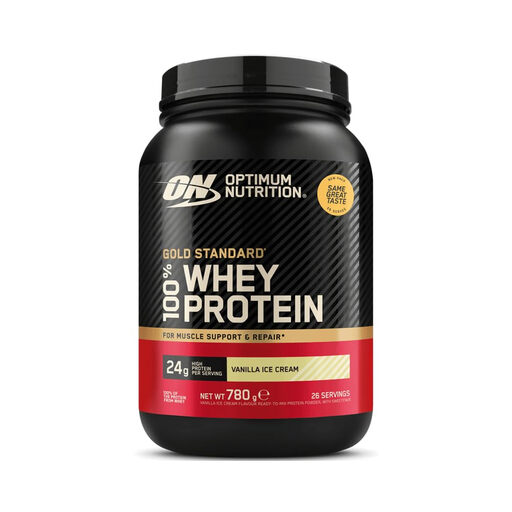
Why this product suits this profile: The powder can be mixed with water or milk, making it easy to adjust the amount to suit your daily routine.
Nutritional values are given per 30-gram serving, making it easier to compare with other whey products than with products that have very large mixed servings.
According to the product information, each serving contains around 22.2 to 23.7 g of protein and 113 kcal per 30 g, depending on the variant.
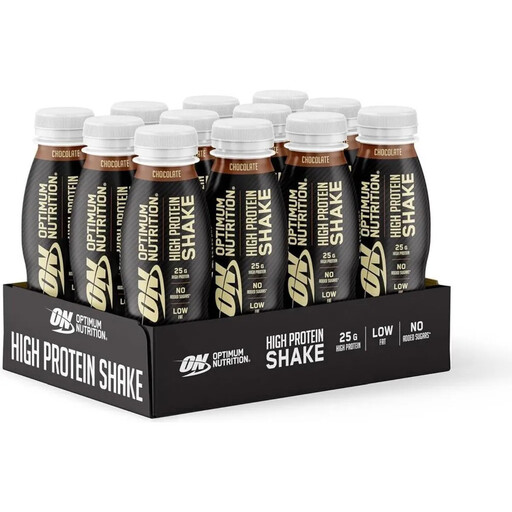
Why this product suits this profile: The ready-to-drink format is ideal for work, training and commuting, with no shaker or measuring out powder required.
The figures are given for a 330-millilitre bottle: 25 g of protein, 185 kcal and 1.0 g of fat.
Ready-to-drink format, no added sugar according to the product information, and refrigerate after opening.
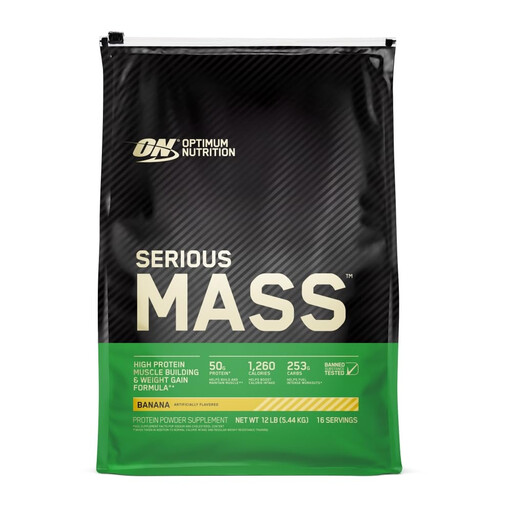
Why this product suits this profile: This mass gainer is designed to provide plenty of energy and carbohydrates, and can be used between meals.
The very large serving is clearly listed as around 335 g, 1,260 kcal, 50 g of protein and 250 g of carbohydrates.
According to the product information, a serving contains 3 g of creatine monohydrate as well as a vitamin and mineral complex.
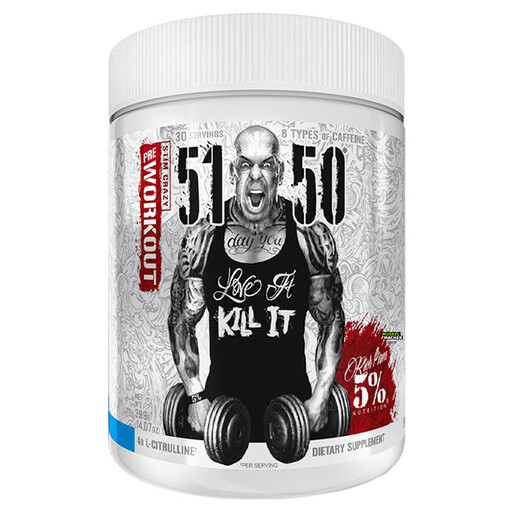
Why this product suits this profile: This pre-workout booster is aimed at experienced users who pay close attention to caffeine and other ingredients before training.
The stated caffeine content of 470 mg per serving makes it clear that this product isn’t automatically suitable for beginners or people sensitive to caffeine.
According to the product description, the formula includes caffeine, citrulline, taurine and beta-alanine. Check the packaging for serving instructions.
We’ve put together a complete, regularly updated list of products that meet these strict selection criteria and fully comply with the safety regulations applicable in the EU.
Store powdered products in a cool, dry place with the container tightly closed. A shake that has already been mixed should be drunk as soon as possible. For ready-to-drink products, follow the instructions on the packaging. Optimum Nutrition High Protein Shake should be refrigerated after opening and consumed within three days. yfood products should be kept refrigerated after opening and consumed within 24 hours.
Whey protein adds protein with a relatively moderate amount of calories. A mass gainer also provides plenty of carbohydrates and significantly more energy. So, if you want to gain muscle mass, it’s important to consider whether you genuinely need more calories. If you’re already consuming enough energy, you don’t automatically need a mass gainer.
That depends on the specific formula and the manufacturer’s instructions. For example, a yfood shake is described as providing 500 kilocalories per 500-millilitre bottle, 33 grams of protein, and vitamins and minerals. Even so, you should consider your individual dietary needs, any allergens and your overall daily intake.