Savoury snack fans keeping an eye on protein
You’re looking for an alternative to bars or shakes and want to know how much protein a portion actually contains. A nut and soya bean mix is only an option if its ingredients meet your requirements.


If you’re looking for a protein-focused snack mix but need to avoid a particular allergen, start by checking the ingredients and information on the current packaging. Then compare protein per portion, as well as energy, fat and salt per 100 g. A nut or soya mix may suit your protein goals, but it won’t be suitable if you’re allergic to those ingredients. And a snack labelled gluten-free isn’t automatically dairy-free.
You’re looking for an alternative to bars or shakes and want to know how much protein a portion actually contains. A nut and soya bean mix is only an option if its ingredients meet your requirements.
You may need to avoid peanuts, soya, tree nuts, sesame or milk, or need a gluten-free product. What matters is exactly what the claim refers to and what the packaging says about ingredients and possible traces—not a blanket “free from” claim.
You want to factor in protein without overlooking energy, fat and salt. To do that, compare the nutrition information per 100 g and work out the figures for the amount you actually plan to eat.
First, decide which ingredient or allergen you need to avoid. Once you’ve narrowed down the suitable products, you can compare protein per portion and the other nutritional values.
| Criteria | What to check | Who it matters to |
|---|---|---|
| Protein and portion size | Compare protein per 100 g and for the portion you plan to eat; don’t estimate portion size based on the pack weight alone. | If I’m having something savoury instead of a bar, I want to know how much protein I’ll get from my usual portion. This is a priority for around 36% of consumers. |
| Allergens and labelling | Check the allergen you need to avoid against the ingredients list, highlighted allergens and possible trace warnings on the current packaging. | If I need to avoid, for example, soya or peanuts, a high protein figure alone doesn’t help me choose. Around 36% of consumers put compatibility with their allergen requirements first. |
| Other nutritional values | Check energy, fat, sugar and salt per 100 g and for the amount you’ll actually eat. | I want to be able to portion out a savoury snack without overlooking energy, fat or salt because of its protein claim. This is the main consideration for around 28% of consumers. |
Different product types suit different needs. KLUTH states that its Fit Food Protein Mix contains 13 g of protein per stated 40 g portion, but lists soya and peanuts among its ingredients. funny-frisch labels its Protein Chips Paprika Style as gluten-free, while also warning that they may contain milk. If you’re looking for a classic snack mix rather than a protein-focused product, check its ingredients and nutritional values separately; the term “snack mix” doesn’t tell you what’s in it.
Nut and soya bean mixes can contain several allergens. A gluten-free label also doesn’t tell you whether milk could be an issue.
Identify the allergen you need to avoid, then check the ingredients and trace warnings on the specific pack. A single “free from” claim isn’t a substitute for checking.
This figure doesn’t tell you how much you’ll get in your usual portion. For its Fit Food Protein Mix, KLUTH lists 32 g of protein, as well as 560 kcal and 41 g of fat per 100 g.
Start by comparing products on the same per-100 g basis, then check the figures for your portion. For the 40 g portion stated by KLUTH, the figures are 13 g of protein and 224 kcal.
A protein claim doesn’t tell you how much salt a product contains. funny-frisch states that its Protein Chips Paprika Style contain 1.9 g of salt per 100 g; EDEKA lists 2.9 g per 100 g for its GUT&GÜNSTIG Snack Mix.
If salt matters to your choice, check the figure per 100 g and calculate how much you’ll get in your planned portion.
If you need to avoid a specific allergen, the labelling on the product you actually buy is what matters. A photo you saw earlier isn’t a reliable guide.
Before eating the product, read the ingredients and warnings on the current packaging. If necessary, contact the manufacturer directly to ask about possible traces.
These examples refer to specific products or parts of a range, not every snack made by each brand. When avoiding an allergen, always check the labelling on the product you’ve chosen.
The Fit Food Protein Mix is a nut and soya bean mix for shoppers who want to compare savoury snacks by their protein content.
Protein Chips Paprika Style are a crunchy snack alternative made with lentil flour and pea protein isolate, rather than a nut or seed mix.
NicNac's Original is a useful comparison for a peanut-based savoury snack, not a universally suitable option if you need to avoid allergens.
GUT&GÜNSTIG Snack Mix is an example of a classic savoury mix that you can compare with protein-focused snacks by checking its labelling.
REWE is a retailer offering a range of protein snacks. When looking for snack mixes, it’s worth distinguishing these from other types of products in the range.
Here you’ll find nut, seed and kernel mixes alongside a savoury protein snack. Start by choosing the right type of product, then check the current packaging if you need to avoid an allergen. Pack size alone tells you nothing about the portion or whether the product is suitable for you.
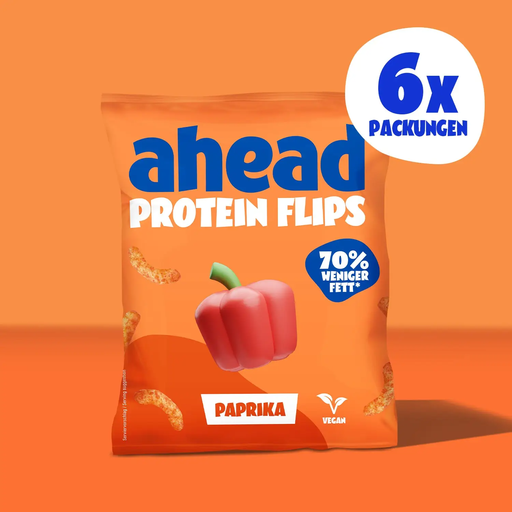 No image available
A crunchy alternative to a snack mix if you prefer individually packed portions. To check whether they’re suitable for you, read the current ingredients list and take the salt content into account using the nutrition information.
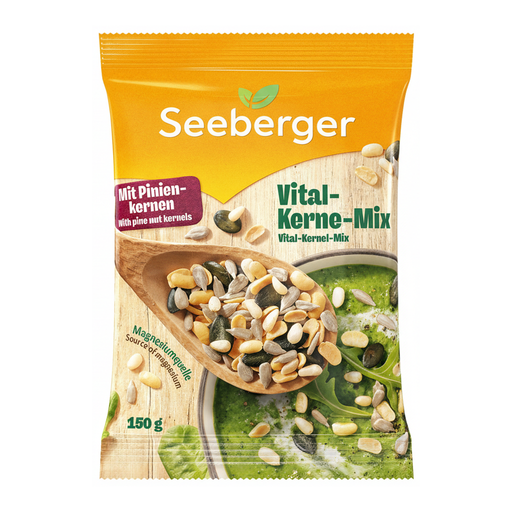 No image available
A seed and kernel mix for anyone looking for this type of product instead of crisps. If you need to avoid soya or have a peanut or tree nut allergy, checking the ingredients and trace warnings is particularly important; choose a portion to suit your needs.
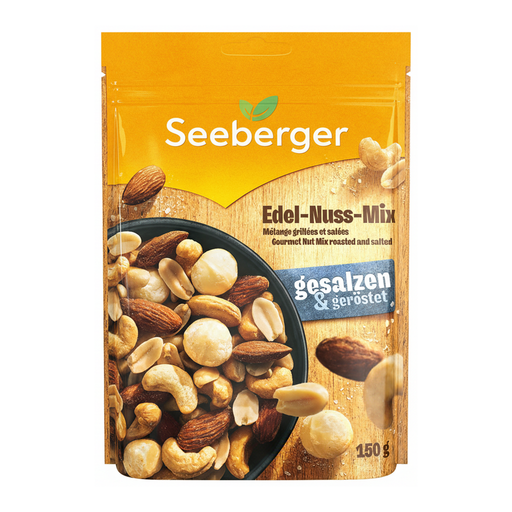 No image available
A roasted and salted nut mix if you specifically want nuts as a snack. If you need to avoid peanuts or tree nuts, don’t choose it without checking carefully; also compare fat, energy and salt for your planned portion.
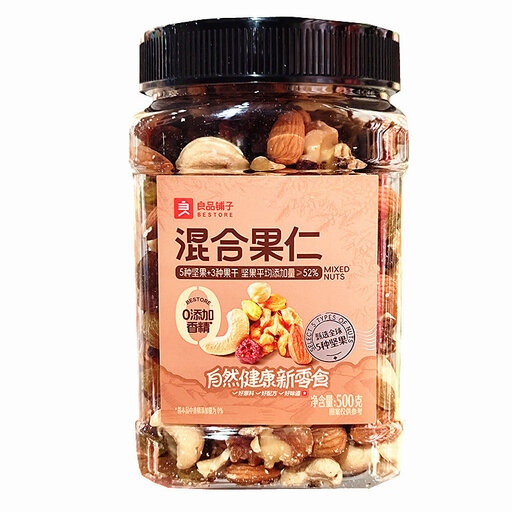 No image available
A 500 g pack of mixed nuts if you want to measure out your own snack portions. A nut mix isn’t suitable if you need to avoid tree nuts; to compare nutritional values, check the packaging, particularly the figures for fat, energy and salt.
 No image available
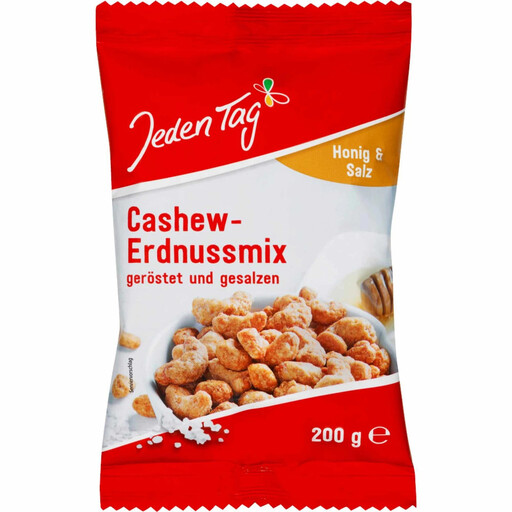
A cashew and peanut mix for anyone looking for a sweet and savoury nut blend. It isn’t suitable if you need to avoid peanuts or tree nuts; compare sugar and the other nutritional values for your portion as well as protein.
Not just because of that claim. Your choice should also take into account the ingredients, any allergens you need to avoid, and the nutritional information for energy, fat, sugar and salt. Compare like with like and consider the portion you plan to eat.
No. “Gluten-free” doesn’t cover all allergens. funny-frisch labels its Protein Chips Paprika Style as gluten-free, but also states that they may contain milk. Check the current packaging against the allergen you need to avoid.
Check the allergen you need to avoid against the ingredients list and trace warnings on the pack you’re planning to buy. If anything is unclear for your situation, ask the manufacturer rather than assuming a general “free from” claim means the product is suitable.
Follow the storage instructions on the relevant packaging. KLUTH recommends keeping its Fit Food Protein Mix in a dry place; make sure you reseal an opened pack securely.