After exercise, with protein in mind
If you want the cake itself to provide protein for a late-evening snack, compare the nutritional information for lentil and pulse-based cakes with that of classic rice cakes.


If you want the cake itself to provide more protein for a late-evening snack, the product information compared here points towards lentil cakes or pulse-based corn cakes. REWE lists 25 g and 18.4 g of protein per 100 g respectively, while EDEKA lists 8.7 g per 100 g for a classic rice cake. If you prefer a plain rice cake, you can choose a topping to suit, but remember to consider the nutritional value of the whole portion you eat.
If you want the cake itself to provide protein for a late-evening snack, compare the nutritional information for lentil and pulse-based cakes with that of classic rice cakes.
If you’d rather get your protein from the cake than from an animal-based topping, compare the ingredients in lentil cakes and pulse-based corn cakes.
Classic rice cakes let the topping take centre stage. If protein is a priority for your snack, consider what the whole combination provides.
First decide whether you want most of the protein to come from the cake or the topping. Then compare the figures per 100 g with the amount you actually plan to eat.
| What to consider | What to check when buying | Who it matters to |
|---|---|---|
| Protein from the cake | Compare the protein per 100 g and per planned portion; check the ingredients and salt content too. | After exercise, I want the cake itself to make a measurable contribution to the protein in my snack. This is the top priority for around 50% of consumers. |
| Plain base with a topping | Consider the cake and topping as one complete portion, including their nutritional information and allergen labelling. | I want to choose the flavour and protein content through my topping, rather than pick a more strongly seasoned cake. Having the freedom to choose a topping comes first for around 30% of consumers. |
| Ingredients and eating habits | Check the ingredients, salt per 100 g and allergen information; if you eat cakes often, consider other bases too. | If cakes are a regular part of my evening snack, ingredients and variety matter more to me than the highest protein figure. Around 20% of consumers put these checks first. |
A protein figure per 100 g doesn’t tell you how much protein you’ll get from the cakes you actually eat.
Compare the nutritional information per 100 g, then work out what it means for your portion. REWE’s lentil cakes contain 25 g of protein per 100 g, compared with 18.4 g for its protein corn cakes.
If you choose a rice cake for a protein-focused snack, remember that the cake isn’t the same as the complete topped portion: EDEKA lists 8.7 g of protein per 100 g for its plain rice cakes.
Plan your topping carefully and check the nutritional and allergen information for all the ingredients together.
The German Federal Institute for Risk Assessment points out that rice products such as rice cakes can contain relatively high levels of inorganic arsenic.
The institute recommends eating rice cakes in moderation and varying them with products made from other grains.
The sea-salt lentil cakes are worth comparing if you want the protein to come from the cake itself.
The vegan organic protein cakes combine corn and pulses, rather than using an almost pure lentil base.
Plain rice cakes are a simple option if you want the topping to provide the flavour and protein.
The salted organic rice cakes are another example of a classic rice cake base.
This selection features lentil cakes and spelt cakes as bases for a late-evening snack. Spelt cakes aren’t rice cakes; for both products, the amount you actually eat determines how much protein you get.
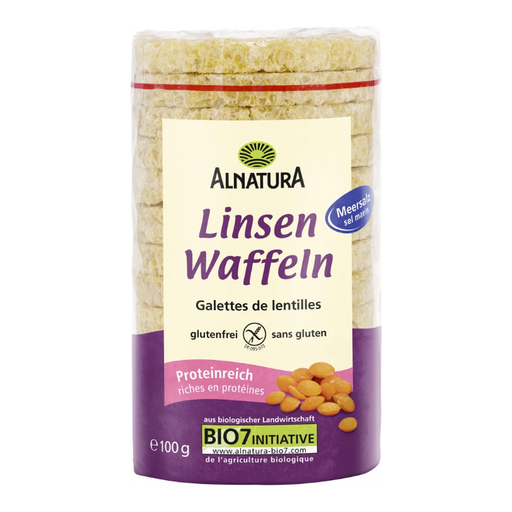 No image available
A lentil cake base for anyone who doesn’t want to rely on a topping alone for protein. Compare the nutritional information with your portion size; if you have a soya allergy, it’s especially important to check the latest allergen information on the pack.
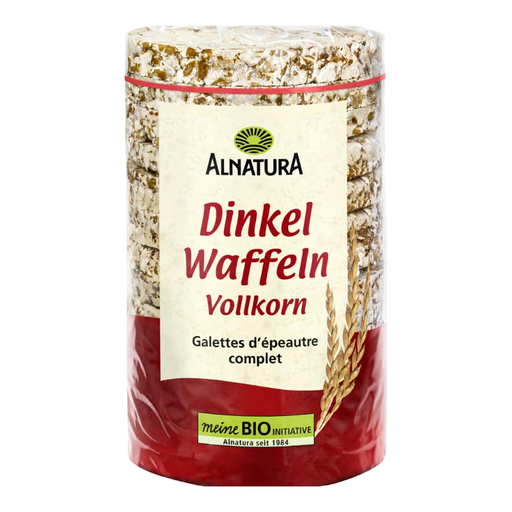 No image available
A spelt cake base if you’re considering a grain other than rice for your snack. Check the protein figure for your portion size, and bear in mind that spelt is a type of wheat and contains gluten.
Compare the protein per 100 g and work out how much that means for the amount you plan to eat. REWE lists 25 g per 100 g for its organic lentil cakes and 18.4 g for Verival organic protein cakes; EDEKA lists 8.7 g per 100 g for its plain organic rice cakes.
It can be a good base if you factor in the protein from your topping. EDEKA’s plain organic rice cakes contain 8.7 g of protein per 100 g, according to EDEKA; for the topped portion, you’ll need to include the topping’s ingredients too.
Rice cakes shouldn’t be the only grain-based option you choose regularly. Because of possible levels of inorganic arsenic, the German Federal Institute for Risk Assessment recommends eating rice products such as rice cakes in moderation and varying them with products made from other grains.