People keeping an eye on fat intake
If you want to include a savoury snack in a lower-fat diet, compare the fat per 100 g and per planned portion rather than choosing solely by the highest protein value.


If keeping the fat content per snack low is your main priority, the legume-based protein crisps compared here are worth considering over the nut and soya mixes. funny-frisch lists 15 g of fat per 100 g for its Protein Chips, while REWE and EDEKA each list around 41 g for the mixes featured. Protein crisps aren’t a snack mix, though. As well as protein and fat per 100 g, consider the portion you’ll actually eat, plus salt and allergens.
If you want to include a savoury snack in a lower-fat diet, compare the fat per 100 g and per planned portion rather than choosing solely by the highest protein value.
If you’re looking for a protein-rich snack around your training, you can compare the protein in the portion you’ll actually eat with its fat and salt content, as well as the rest of your diet. A single snack doesn’t have to meet a particular requirement.
Nut and soya mixes can contain several relevant ingredients. For example, REWE lists soya, peanuts, almonds and walnuts in the Kluth Fit Food Protein Mix. Always check the labelling on the specific pack.
Protein crisps and nut mixes offer different types of snack and nutritional profiles. First decide whether keeping fat intake low or getting more protein is your priority. Then compare products using the same basis.
A good choice if: you’re after a crunchy snack rather than a nut mix and want to compare the fat content on the specific pack with the portion you plan to eat.
The trade-off: funny-frisch lists 15 g of fat and 1.9 g of salt per 100 g for its Protein Chips Paprika Style. A lower fat content than the nut mixes compared here doesn’t mean portion size no longer matters.
A good choice if: you want a mix of nuts and soya, and protein content matters more to you than a low fat content.
The trade-off: REWE lists 32 g of protein per 100 g for the Kluth Fit Food Protein Mix, but it also contains 41 g of fat. It also includes soya and several types of nuts.
| What to consider | What to check when buying | Who it matters most to |
|---|---|---|
| Fat content | Compare the fat per 100 g and relate it to the portion you plan to snack on. | If I want to limit my fat intake when snacking, the amount I actually eat matters more to me than a protein claim on the front of the pack. Around 36% of consumers put fat content first. |
| Protein content | Compare the protein per 100 g and in the portion you’ll actually eat. | Around my training, I want to know how much protein my snack adds to the rest of my diet. For around 29% of consumers, this protein contribution is the priority. |
| Snack type and salt | Choose between crisps, a nut mix and a peanut snack; check the salt content of savoury products. | For everyday snacking, I’m mainly looking for a crunchy, savoury snack with a portion size that suits my eating habits. Snack type is the main consideration for around 21% of consumers. |
| Ingredients and allergens | Read the ingredients list, highlighted allergens and any warnings about possible traces on the pack. | If I need to avoid certain ingredients, the labelling on the specific product determines whether it’s suitable for me. Around 14% of consumers put this check first. |
A high protein value doesn’t tell you how much fat a product contains. REWE lists 32 g of protein and 41 g of fat per 100 g for the Kluth Fit Food Protein Mix; EDEKA lists 20.9 g of protein and 41.1 g of fat for the Herzstücke Trainer-Mix.
Compare both nutrients in products of the same snack type, then relate them to the portion you plan to eat.
Values per 100 g make it easier to compare products, but they don’t automatically reflect a snack portion. funny-frisch lists 6.3 g of protein and 4.6 g of fat in a 30 g portion of Protein Chips Paprika Style.
Use the portion information as a guide. If you’re having a different amount, calculate it using the values per 100 g.
The Kluth Fit Food Protein Mix listed by REWE contains soya, peanuts, almonds and walnuts. The EDEKA Herzstücke Trainer-Mix also lists ingredients including wheat and gluten.
If you need to avoid certain ingredients, check the current ingredients and allergen information on the pack rather than relying on a product image alone.
EDEKA describes the Herzstücke Trainer-Mix as a limited edition for the 2026 World Cup and notes that it may not be available in every store.
Check availability at your local store. If you choose a different mix, check its ingredients and nutritional information again.
These product examples show different types of snack. The nutritional values given apply to each specific product, not to the brand’s entire range.
Protein Chips Paprika Style are crisps made with lentil flour and pea protein isolate, rather than a traditional snack mix.
The Fit Food Protein Mix listed by REWE is a nut and soya mix.
The Trainer-Mix is a nut and peanut mix that you can compare with other savoury snacks.
NicNac's Original is a peanut snack with a crunchy coating, making it different from crisps or loose nut mixes.
Lidl describes Alesto as a range of nuts, dried fruit and spicy party snacks.
This selection at Joybuy features crunchy protein snacks as alternatives to nut mixes. If you’re following a lower-fat diet, check the nutritional information on the current pack for each product. The type of snack alone doesn’t determine its fat content.
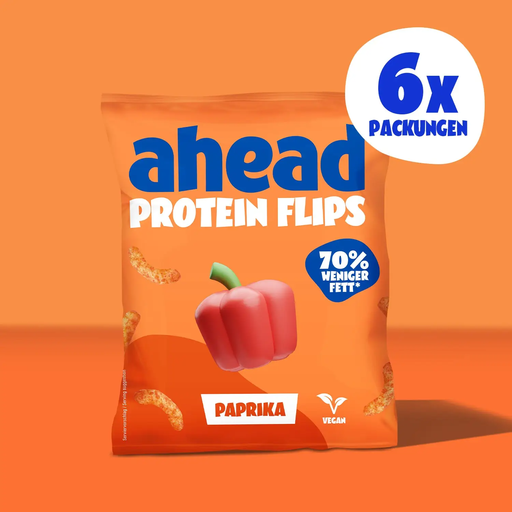 No image available
An option if you’re looking for a crunchy protein snack in individually packed portions.
The pack contains six 50 g bags. Check the nutritional information on the current pack to compare its fat and protein content.
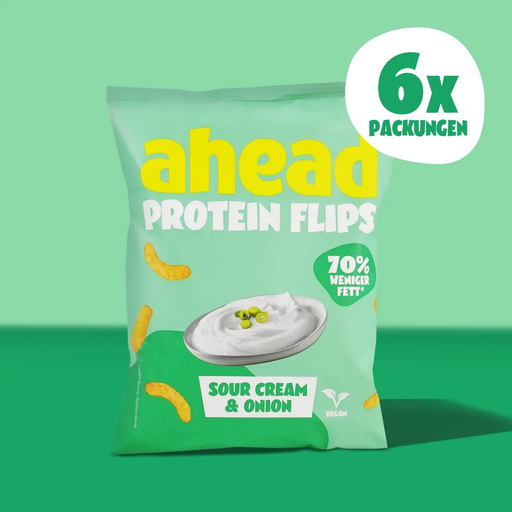 No image available
An option if you’re after sour cream-flavoured protein crisps rather than a nut mix.
To see how they fit into a lower-fat diet, compare the fat and protein per 100 g and in the portion you plan to eat, using the information on the current pack.
No. The protein information alone doesn’t tell you how much fat is in your portion. Compare the fat and protein per 100 g and for the amount you plan to eat. With savoury snacks, it’s also worth checking the salt content.
Not necessarily. Whether a mix suits your needs also depends on its fat content and portion size. REWE lists 32 g of protein and 41 g of fat per 100 g for the Kluth Fit Food Protein Mix. So consider the snack as part of your overall diet rather than choosing on protein content alone.
The labelling on the specific pack is the key source for ingredients, nutritional information and allergens. This is particularly important if you need to avoid certain ingredients: the mixes compared here include ingredients such as peanuts, tree nuts, soya and wheat.