Who these choices are relevant for

Families with after-school sport

If you’re packing food for a long school day followed by a club training session, you’ll want a snack that’s easy to carry. The German Nutrition Society provides age-specific protein reference values for children and teenagers; having sport after school doesn’t, by itself, mean they need a specialist protein product.

Schoolchildren who like crunchy snacks

If the alternative would be crisps or other salty snacks in the lunchbox, protein crisps or flips are also an option. What matters is the nutrition information and ingredients for the specific variety, not just the product name.

Families who need to consider allergens

If nuts, peanuts, soya, wheat or sesame are ingredients you need to avoid, check the packaging for every variety. This is particularly important with mixes and bars, as their ingredients can vary considerably.

What to look for when buying

For a school packed lunch, start by checking the ingredients and choosing a suitable portion, then compare the nutritional values. The needs below each relate to the main selection criteria of people looking for a high-protein lunchbox snack.

What matters What to check when buying Who it matters most to
Protein per portion Compare the protein per 100 g with the portion you’ll actually pack; don’t treat a protein figure as equivalent to a complete snack. When there’s sport after school, I want to know what the amount I pack adds to the lunchbox. Around 38% of consumers put this protein contribution first.
Ingredients and allergens Read the ingredients list, highlighted allergens and precautionary allergen information on the pack you buy; follow any agreed allergy rules at school. If certain ingredients need to be avoided, whether that particular variety is suitable matters more to me than its protein content. For around 31% of consumers, suitability comes first.
What else is in the lunchbox As well as protein, check energy, fat, salt and fibre per 100 g and per portion; plan what else to include in the packed lunch. I don’t want to pack a large bag as the only thing for lunch just because it contains lots of protein. Around 31% of consumers prioritise how the snack fits into the whole lunch.

Common selection pitfalls

  • Taking “High Protein” as a verdict on the whole snack

    The claim refers to the proportion of energy provided by protein, not the amount of salt or fat, or whether the snack is suitable as a complete packed lunch. Lebensmittelklarheit sets the threshold at least 20% of the energy value from protein.

    Compare the full nutrition information for the specific variety and work out the values for the portion you’ll pack.

  • Packing a nut mix straight from the bag

    For Kluth Fit Food Protein Mix, REWE lists 32 g of protein as well as 560 kcal and 41 g of fat per 100 g. These figures don’t automatically reflect the amount eaten at lunchtime.

    Measure out the amount you plan to pack into a container beforehand, and include the mix as part of the lunchbox rather than making it the only item.

  • Assuming you know the allergens from the brand

    Different varieties of nut mixes and savoury protein snacks can contain different ingredients. EDEKA also points out that the information on the packaging may differ from online product details.

    Before packing, check the ingredients, highlighted allergens and precautionary allergen information on the pack you’ve actually bought.

  • Packing a bar every day just because its name says protein

    For its ALDI SPORTS High Protein Nougat Bar, ALDI SÜD warns that excessive consumption may have a laxative effect and recommends one bar a day.

    Follow the guidance for the specific variety and think about what other foods you want to include in the lunchbox.

Brands to help you choose

funny-frisch

Protein Chips are a crunchy snack made with lentil flour and pea protein.

  • funny-frisch lists 21 g of protein per 100 g for its Protein Chips.
  • For a packed lunch, also check the ingredients, salt content and portion size of the specific variety.

Lorenz

NicNac’s Original is a useful comparison if you’re mainly looking for a peanut snack.

  • Lorenz lists 15 g of protein per 100 g for NicNac’s Original.
  • The ingredients include peanuts and wheat; if allergies are a concern, check the packaging of the specific pack.

REWE PWR

In September 2026, REWE introduced six protein bars under this name, among other products.

  • Bars come in a pre-portioned format that’s convenient for on the go.
  • The brand alone doesn’t tell you whether a bar is needed in a particular child’s packed lunch; ingredients and nutritional values vary by product.

EDEKA

EDEKA Nuss-Kern-Mix is an example of a mix rather than a protein bar.

  • EDEKA lists 24.1 g of protein per 100 g for its Nuss-Kern-Mix.
  • EDEKA states that traces of other tree nuts and peanuts may be present; check the pack you buy.

Alesto (Lidl)

Lidl sells a range of nuts, dried fruit and seasoned snacks under the Alesto brand.

  • You can choose between different product types based on their ingredients and the portion size you want.
  • An Alesto product isn’t necessarily high in protein or suitable for specific allergies just because of the brand name.

ALDI SPORTS (ALDI SÜD)

The High Protein Nougat Bar is a pre-portioned bar option.

  • ALDI SÜD sells this variety in a pack of three bars, each weighing 45 g.
  • ALDI SÜD recommends one bar a day and warns that excessive consumption may have a laxative effect.

Snack options at Joybuy

These products could make a crunchy addition to a packed lunch: flips in individual bags and a chocolate crisp snack. Check the ingredients on the pack you buy for both, and plan to include other foods in the lunchbox.
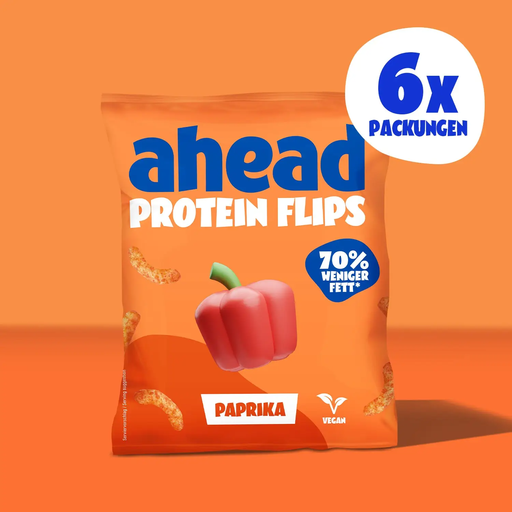
ahead Protein Flips Paprika, six 50 g bags

ahead Protein Flips Paprika, 6 × 50 g

A crunchy option if you want to pack a single bag for lunch. The tray contains six 50 g bags; compare the nutrition information and allergen details on the pack before choosing.

View at Joybuy
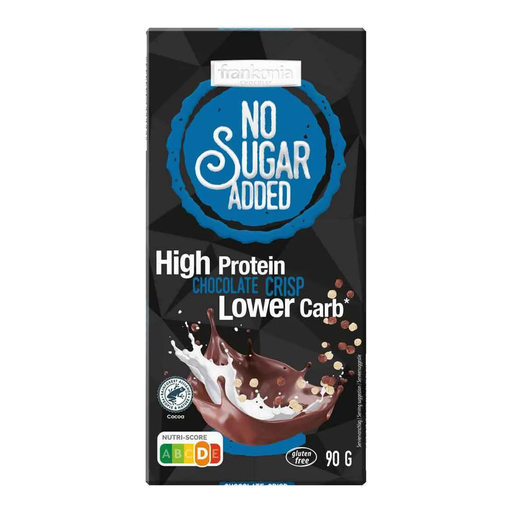
Frankonia CHOCOLAT POWER MOTION Chocolate Crisp, 90 g

Frankonia CHOCOLAT POWER MOTION no Sugar Added Chocolate Crisp, 90 g

A chocolate crisp snack as an alternative to savoury nibbles. The pack contains 90 g; check the recommended portion and the energy, ingredients and allergen information before adding it to the lunchbox.

View at Joybuy

Packed lunch questions

What does “High Protein” tell you about a snack?

The claim describes the proportion of energy provided by protein, not the snack’s overall nutritional make-up. Lebensmittelklarheit sets the threshold at least 20% of the energy value from protein; you’ll need to assess salt, fat, ingredients and portion size separately.

Does a schoolchild who plays sport automatically need a protein bar?

No. Playing sport after school doesn’t automatically mean a protein bar is needed. The German Nutrition Society provides age-specific protein reference values for children and teenagers; you can’t determine whether an additional snack is suitable based on a sports session alone.

Can a protein snack replace a whole packed lunch?

A single protein snack shouldn’t be considered a complete lunch just because of its protein content. The Consumer Advice Centre North Rhine-Westphalia recommends a varied selection of foods for school meals, so consider the other foods in the lunchbox as well as a drink.

What should I know about nut and protein mixes if there are allergies?

Always follow the information on the packaging for the specific variety. Nut mixes may contain peanuts and tree nuts; other protein snacks may contain ingredients such as wheat, soya or sesame. Check the ingredients list and precautionary allergen information before packing.

What should I look for in a protein bar for school?

Check the portion, ingredients, allergens and any consumption guidance for that particular bar. For the ALDI SPORTS High Protein Nougat Bar, ALDI SÜD recommends one bar a day and warns that excessive consumption may have a laxative effect; this guidance doesn’t apply to all bars.