
Same-day & Next-day Delivery

Quality Guaranteed

Unlock Your Welcome Offers: FREE Delivery | Up to 80% OFF | Free 30-day JoyPlus trial
Download the APP
Protein snacks with no added sugar are handy for the office, when travelling, after a workout or between meals. But the label alone doesn’t tell you whether a product fits your dietary goals. Protein bars, vegan snacks and beef jerky can differ considerably in their ingredients, types of sugar, portion sizes and salt content.
As a Joybuy Product Recommendation Officer, I’ll explain the key details clearly and show you what to look out for before ordering in Germany.
A product labelled ‘no added sugar’ may still contain naturally occurring sugars. For example, according to the product information, Corny Haferkraft Zero Cocoa contains 0.1 g of sugar per 100 g, with a note that it comes from the ingredients. Sugar levels can also be higher in beef jerky: Jack Link’s Original Beef Jerky is listed as containing 19 g of sugar per 100 g.
That’s why the nutrition table matters. Check:
Protein bars with no added sugar are often sweetened with maltitol, sorbitol, glycerine or sucralose. Polyols can reduce the sugar content, but they don’t suit everyone’s digestion equally well. Several product listings warn that excessive consumption may have a laxative effect.
So if you plan to eat low-sugar snacks regularly, don’t just check the ‘of which sugars’ line. Look at the polyol content per 100 g and per bar too. A smaller portion may be easier to fit into your daily routine than an extra-large bar.
A product containing 30 or 50% protein may also contain fat, saturated fat, sweeteners or allergens. Some high-protein chocolate bars have a texture and energy density closer to confectionery than to a complete meal.
For a useful comparison, check at least these values:
For a snack between meals, a handy portion with around 8 to 12 g of protein may be enough. After a workout, you may prefer a bar with a higher protein content. A product isn’t a substitute for a varied diet, so it’s worth taking your daily requirements into account.
According to the product information, the Maxi Nutrition Muesli Nut Butter Protein Wafer Bar contains 9.7 g of protein per 39 g bar. By comparison, the Premier Protein 50% Bar is listed as containing 20 g of protein per 40 g bar. As the portion sizes differ, bear that in mind when comparing the figures.
Many protein bars combine milk protein, whey protein, soya, collagen or nuts. Vegan protein snacks often use pea, lentil or chickpea protein. Always check the ingredients list and allergen information to confirm whether a product is ‘gluten-free’, ‘soya-free’ or ‘vegan’.
It’s particularly important to check for:
Always check the current packaging before eating a product, as recipes can change.
A multipack of protein bars is useful if you need a snack regularly. The 12-packs featured here, for example, weigh 468 g, 540 g or 600 g. Single bars are a better choice if you want to try a flavour or only need a snack occasionally.
Salt content is also worth checking with beef jerky. Jack Link’s Original Beef Jerky Protein Bars are listed as containing 4.2 g of salt per 100 g. For planning your daily snacks, this may matter more than the protein content alone.

Why this product suits this profile: This multipack contains 12 bars, each weighing 45 g. According to the product information, they provide 30 g of protein and 3.2 g of sugar per 100 g.
The nutrition information lists sugar and polyols separately, making it easier to compare this bar with other protein snacks.
12 individually wrapped portions, 30% protein according to the product name, and a palm oil-free recipe according to the description.

Why this product suits this profile: Each 40 g bar provides 20 g of protein and no more than 0.8 g of sugar, according to the product information. The 16-pack is designed for regular use.
Comparing the figures per bar shows how much protein and sugar you actually get in a typical portion.
20 g of protein per bar, a chocolate coating and, according to the product information, no palm oil.
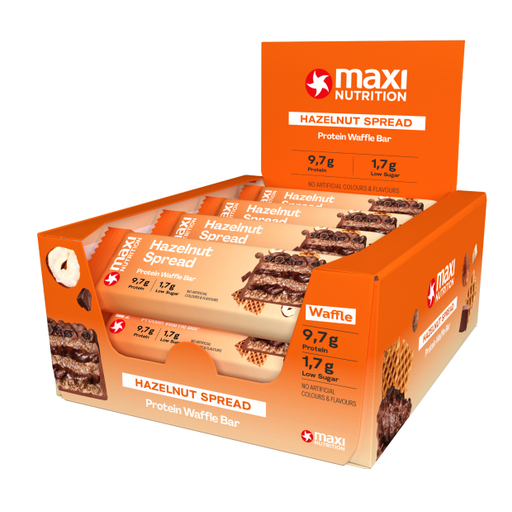
Why this product suits this profile: The 12 individually wrapped bars, each weighing 39 g, are easy to take to the office, on your way to a workout or when travelling. According to the product information, each bar contains 9.7 g of protein and 1.7 g of sugar.
The individually wrapped portions help you avoid opening a large pack and eating it all without keeping track of how much you’re having.
A convenient multipack, 9.7 g of protein per 39 g bar and a wafer texture with hazelnut flavour, according to the product description.
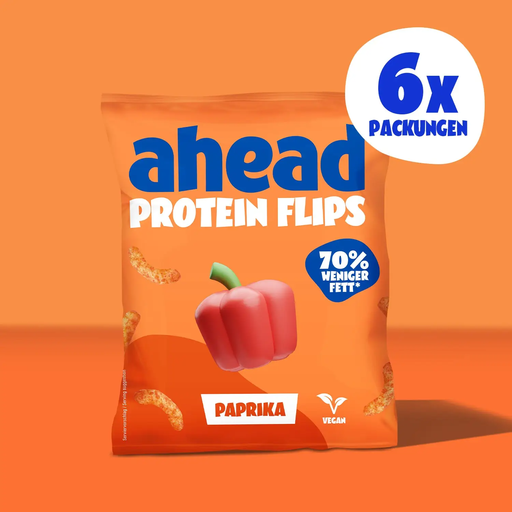
Why this product suits this profile: These baked flips are for shoppers looking for a savoury snack rather than a sweet protein bar. The recipe is listed as vegan, gluten-free and soya-free.
The ingredients are clearly listed: lentils, chickpeas and maize. This isn’t positioned as a sweet bar containing hidden polyols.
26% protein according to the product information, six individually wrapped 50 g bags and a baked recipe.
We’ve put together a complete, regularly updated list of products that meet these strict selection criteria and fully comply with the safety regulations in force in the EU.
It depends on the product. ‘No added sugar’ doesn’t automatically mean low in carbohydrates. Check the carbohydrates, sugar and polyols per portion. Even with a low sugar content, a low-carb protein bar may still contain significant carbohydrates from grains, bulking agents or other ingredients.
The best-before date is shown on the packaging. Unopened bars, crisps and jerky should be stored in a cool, dry place, away from direct heat. Once opened, their texture and flavour may deteriorate more quickly. Flips should be kept in an airtight container, and chocolate bars should be kept away from heat.
Vegan protein snacks may use lentil, chickpea, pea or soya protein, for example. Protein levels and amino acid profiles vary depending on the recipe. If you’re buying vegan, also check the ingredients list for milk, gelatine and collagen. For a fair comparison, look at the specific nutrition table rather than relying on the ‘vegan’ label alone.