Active people with a protein target
If you’re choosing a crunchy snack for a day out during the holidays or after exercise, check the protein content of the portion you’ll eat. The term ‘rice cake’ alone tells you little about this.


If protein is your priority when choosing a crunchy snack for the school holidays, it’s worth considering lentil crackers and pulse-based cakes rather than focusing only on classic rice cakes. The products compared here differ significantly in their protein content. But your choice should also take into account the portion you’ll actually eat, the ingredients and allergens, and variety if your children often snack on rice products.
If you’re choosing a crunchy snack for a day out during the holidays or after exercise, check the protein content of the portion you’ll eat. The term ‘rice cake’ alone tells you little about this.
When sharing snacks, it’s the specific recipe that matters: corn, rice and pulses are different bases, and seasoned varieties may contain additional ingredients and allergens.
If rice cakes are regularly on the shopping list for your children, it’s worth varying the types of snacks you choose, as well as considering taste and nutritional values. The German Federal Institute for Risk Assessment points out that rice products such as rice cakes can contain relatively high levels of inorganic arsenic.
First, decide whether protein, ingredients or variety in rice snacks is your main priority. Then check the information on the pack of the specific variety you’re planning to buy.
| What matters to you | What to check when buying | Who it matters most to |
|---|---|---|
| Protein content | Compare protein per 100 g and per portion you’ll actually eat. REWE lists 26 g per 100 g and 10 g per 40-g pack for Reis-fit Risbellis Tomato & Pepper; the Verival Organic Protein Cakes listed by REWE contain 18.4 g per 100 g. | After exercise, I want to know how much protein my snack contains in the amount I eat. That’s why around 42% of consumers put protein content first. |
| Ingredients and allergens | Read the ingredients list and allergen information for the specific variety. According to REWE, Risbellis Sour Cream & Onion contains milk ingredients; EDEKA24 lists sesame in Alnatura Organic Rice Cakes with Sea Salt. | When we share snacks, the variety we choose needs to meet our requirements for ingredients and allergens. Around 33% of consumers say this is their main priority. |
| Variety in rice snacks | If you eat them regularly, consider corn- or pulse-based products too, and check their ingredients separately. | I don’t want to automatically reach for rice cakes every time I take my child on a day out during the holidays. Around 25% of consumers prioritise variety in the bases used for snacks. |
The Alnatura Organic Rice Cakes with Sea Salt listed by EDEKA24 contain 7.9 g of protein per 100 g. REWE lists 26 g per 100 g for the lentil crackers compared here, and 18.4 g per 100 g for the Verival cakes. These figures apply to the specific products compared, not to all rice or pulse cakes.
If protein is your main priority, compare the figures per 100 g first, then check how much you actually plan to eat.
REWE lists between 1.05 and 1.45 g of salt per 100 g for three Risbellis varieties, depending on the flavour. The Sour Cream & Onion variety also contains milk ingredients.
Always check the protein, salt, ingredients and declared allergens for the same variety on the actual pack.
According to the German Federal Institute for Risk Assessment, rice and rice products, including rice cakes, can contain relatively high levels of inorganic arsenic.
Variety is particularly useful when choosing snacks for children who eat them often. Corn- or pulse-based cakes are different types of products; you should still check their ingredients and nutritional information.
The Risbellis High Protein Lentil Crackers listed by REWE are seasoned lentil snacks in 40-g packs, not classic rice cakes.
The Organic Protein Cakes listed by REWE are corn cakes made with pulses and pea protein, not rice cakes.
The lentil cakes with sea salt described here offer a different base from rice or corn cakes.
The Organic Rice Cakes with Sea Salt listed by EDEKA24 are included here as a specific example of a classic rice-based option.
The Organic Unsalted Rice Cakes are another rice-based product for comparison; the product information available relates to the UK version.
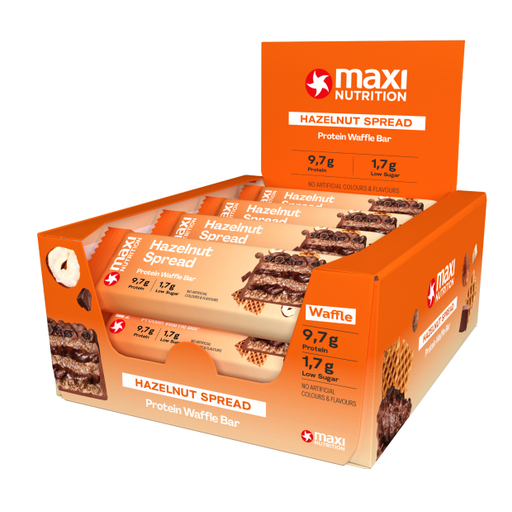
This selection includes a lentil cake as an alternative to a rice-based snack, and an individually portioned wafer bar for a crunchy snack on the go. The bar is neither a classic rice cake nor a simple lentil cake.
 No image available
A lentil cake for anyone looking for an alternative to rice cakes for a holiday snack. If protein content is important, compare the figures per 100 g with the amount you’ll actually eat. If you have a soya allergy, pay particular attention to the information on the specific pack.
 No image available
An individually portioned wafer bar for when you’re out and about and fancy a sweet bar rather than a plain rice or lentil cake. For the portion you want to eat, check the nutritional information, ingredients, allergens and serving guidance on the pack.
No. The type of product alone doesn’t mean it’s high in protein. EDEKA24 lists 7.9 g of protein per 100 g for Alnatura Organic Rice Cakes with Sea Salt; the Reis-fit lentil crackers and Verival Organic Protein Cakes listed by REWE contain 26 g and 18.4 g per 100 g respectively. Remember to compare the portion you’ll actually eat too.
Rice cakes shouldn’t be the only regular base for crunchy snacks. The German Federal Institute for Risk Assessment points out that rice products such as rice cakes can contain relatively high levels of inorganic arsenic. Other grain- or pulse-based products add variety, but their ingredients should also suit your family.
Read the allergen information on the specific pack, even if you already know the main ingredient. The Federal Ministry of Agriculture, Food and Regional Identity explains that the 14 most common causes of allergies and intolerances must be declared. Among the products compared here, REWE lists milk ingredients in Risbellis Sour Cream & Onion, while EDEKA24 lists sesame in Alnatura Organic Rice Cakes with Sea Salt.
Store them in a dry place and reseal any opened pack securely. Also follow the storage instructions on the pack of the product you’re taking with you.