Compare protein content after a workout
When restocking, your main priority is checking the protein per 100 g. You’re also considering seeds and peanuts, as well as tree nuts.


If protein is your priority when restocking snacks, compare seeds, peanuts and almonds using the nutritional information per 100 g, rather than choosing on the basis of the label “nut mix” alone. Seeberger lists pumpkin seeds at around 36 g of protein per 100 g; when deciding what to buy, also check the ingredients, salt content, potential allergens and a suitable portion size.
When restocking, your main priority is checking the protein per 100 g. You’re also considering seeds and peanuts, as well as tree nuts.
Whether it’s for work, your commute or your gym bag, you want an easy-to-portion, unflavoured option with ingredients and salt content that are easy to check.
You enjoy roasted or seasoned snacks, but don’t want to assume their ingredients and nutritional values are the same as those of an unflavoured option.
First decide whether protein content, simple ingredients or flavour matters most to you. Then check the information on the specific pack.
| What to consider | What to check when buying | Who it matters to |
|---|---|---|
| Protein per 100 g | Compare the protein content of the specific products, and include seeds or peanuts if they’re options you’re considering. | After a workout, I want to compare varieties by their protein content rather than relying on the name “nut mix”. Around 42% of consumers prioritise protein content when restocking. |
| Ingredients and portion size | Read the ingredients list and check the salt content. Make sure the pack suits the portion you have in mind. | For a snack on the go, I want a clear ingredients list and a portion that’s easy to manage. Ingredients and portioning are the main reasons to buy for around 33% of consumers. |
| Flavour and preparation | For roasted or seasoned options, compare the ingredients, salt content and protein per 100 g. | If I want something ready to nibble straight away, flavour matters more to me than choosing the simplest product. For around 25% of consumers, this convenience is the main appeal of a snack. |
Values vary by type and product. Seeberger lists pumpkin seeds at around 36 g and cashews at around 19 g of protein per 100 g; EDEKA24 gives 24.7 g of protein per 100 g for a specific Gut-&-Günstig almond product.
Compare the nutritional information per 100 g on the packs you’re actually thinking of buying.
Roasting and seasoning may involve additional ingredients. REWE lists sunflower oil and salt alongside peanuts as ingredients in its ja! roasted salted peanuts.
Check the ingredients list and salt content for each option, particularly if you plan to snack on it regularly.
It’s easy to lose track of how much you’ve eaten when you have a large pack. The German Nutrition Society recommends a small handful of around 25 g as a guide for daily consumption of nuts or seeds.
If you buy a larger pack, set aside a suitable amount to take with you.
Peanuts and tree nuts are different allergens that must be declared. Information about possible traces can also be important when choosing a product.
If you have a relevant allergy, check the ingredients and trace-allergen information on every specific pack, including mixes and products from brands you already know.
Seeberger offers nuts, seeds and mixes in a range of varieties.
These REWE own-label brands include peanut products and seasoned mixes.
One specific product example is whole, unprocessed almonds.
Lidl describes Alesto as a brand for nuts and dried fruit.
Under these names, ALDI SÜD sells products including roasted almonds, snack almonds and nut mixes.
This selection includes pumpkin seeds, a seed mix and peanuts for a protein-focused restock. Before you decide, compare the nutritional information and ingredients for each option. A mix and a single-seed product won’t necessarily meet the same needs.
 No image available
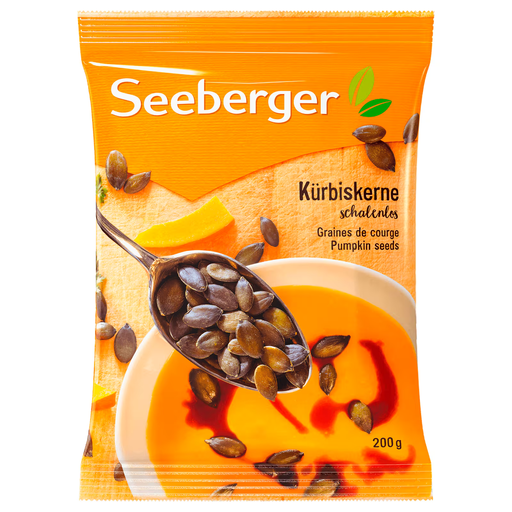
A seed option to consider if you’re looking beyond traditional tree nuts when restocking.
Pack size: 200 g. Check the protein and salt content, as well as the allergen information, on the specific pack.
 No image available
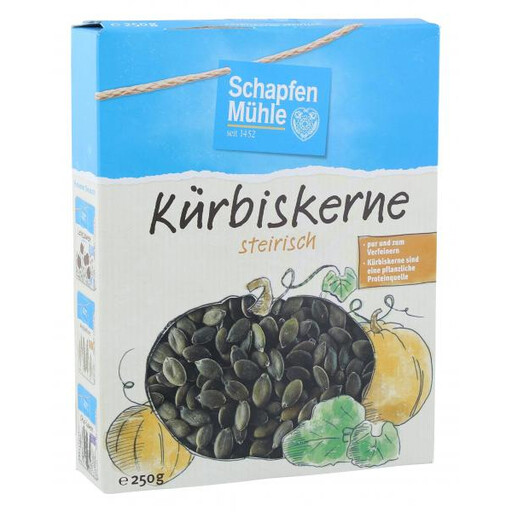
Another pumpkin seed option for anyone including seeds in their comparison.
Pack size: 250 g. Check the nutritional information and, if you have allergies, the labelling on the pack.
 No image available
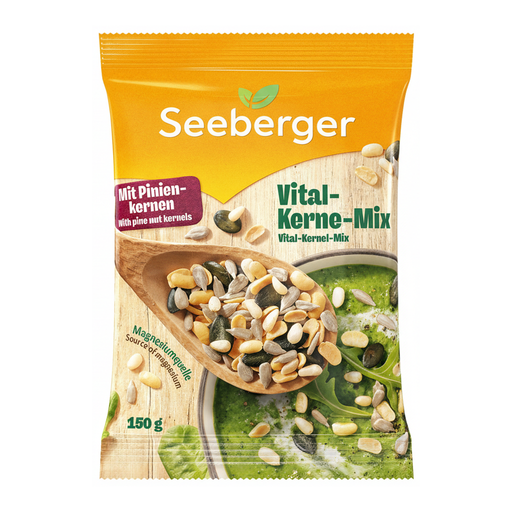
A seed mix for anyone considering several ingredients rather than a single variety.
Pack size: 150 g. With mixes, it’s particularly important to check the ingredients list, protein content and allergen information.
 No image available
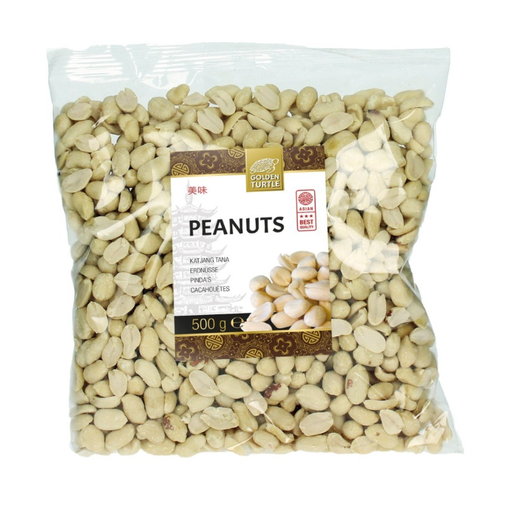
A peanut option to consider if you’re also including legumes when restocking snacks.
Pack size: 500 g. Think about how you’ll portion out a pack this size, and check the peanut labelling.
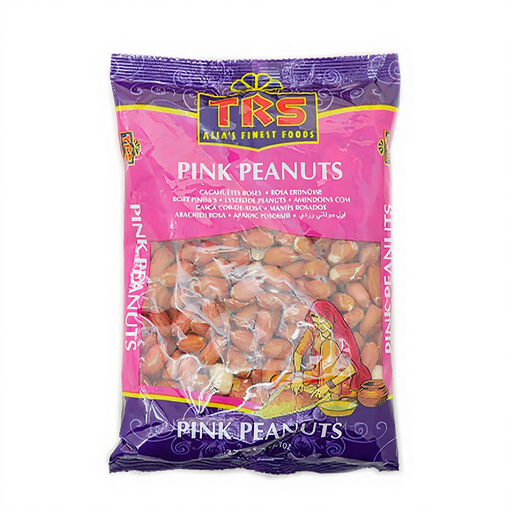 No image available
Peanut kernels for anyone looking for a snack or an ingredient to use in cooking.
Pack size: 375 g. Check the preparation and allergen information on the pack before eating.
Compare the protein per 100 g on the specific products, and include seeds and peanuts if you wish. Seeberger lists pumpkin seeds at around 36 g of protein per 100 g and cashews at around 19 g; EDEKA24 gives 24.7 g of protein per 100 g for a particular Gut-&-Günstig almond product. Other products or mixes may have different values.
Nuts and seeds can contribute to your protein intake, but it’s best to consider them as part of your overall diet. A single snack doesn’t tell you how much protein you’re getting over the course of the day.
If you want to keep track of ingredients and salt intake easily, an unseasoned, unsalted option is simpler to assess. Still, check the labelling on the specific products. The German Nutrition Society recommends a small handful of around 25 g as a guide for daily consumption of nuts or seeds.
If you have a relevant allergy, check the ingredients list and any information about possible traces on every pack. Peanuts and tree nuts are different allergens that must be declared. A brand name or product photo is no substitute for checking the specific labelling.
Follow the storage instructions on the pack, particularly once it has been opened. For certain peanut products, REWE advises storing them in a dry place and protecting them from heat. Don’t assume the same instructions apply to other products without checking.