Students prioritising protein
You compare snacks for longer study sessions mainly by their protein content, and want to take energy and fat into account when choosing a nut or soya mix.


If protein is your priority during a study break, a nut and soya mix such as Kluth Fit Food Protein Mix is worth considering: REWE lists 32 g of protein per 100 g, but also 560 kcal and 41 g of fat. If you’d rather snack on crisps, you can compare protein crisps, looking at salt, serving size and ingredients as well as protein content.
You compare snacks for longer study sessions mainly by their protein content, and want to take energy and fat into account when choosing a nut or soya mix.
You’d rather have crisps than a nut mix, and pay attention to salt and how much you eat during a break as well as the protein content.
Before buying, you may need to check for peanuts, nuts, soya, milk or wheat, or see whether a product is suitable for a vegan diet.
First decide whether you’d prefer a nut and soya mix or a crunchy snack. Then compare the nutritional information and ingredients of the specific product, rather than relying on the word ‘protein’ on the front of the pack.
| Criteria | What to check when buying | Who it matters most to |
|---|---|---|
| Protein relative to energy | Compare protein and kcal per 100 g; for a ‘high protein’ claim, also check the proportion of the energy value that comes from protein. | If I’m specifically looking for a snack with a high proportion of protein, a prominent gram figure alone isn’t enough. Around 36% of consumers put this question first. |
| Energy and salt | Check kcal, fat and salt per 100 g, as well as the portion you actually plan to eat. | For regular study breaks, I want to know how much energy and salt my usual portion contains; this is a priority for around 29% of consumers. |
| Ingredients and allergens | Read the label on the pack you buy, paying particular attention to soya, peanuts, nuts, milk and wheat. | If I need to avoid certain ingredients or shop for vegan food, I make my decision based on the specific ingredients list. This is the main concern for around 21% of consumers. |
| Serving size | Compare the pack size and nutritional information per serving with the figures per 100 g. | At my desk, I want to be able to decide how much I’ll snack on before my break. Around 14% of consumers prioritise this. |
A protein claim doesn’t tell you about a product’s energy, fat or salt content. The North Rhine-Westphalia Consumer Advice Centre notes that alternative crisps containing less fat don’t necessarily offer a corresponding calorie saving.
Compare the full nutritional information per 100 g and work out what it means for your planned portion.
To assess a ‘high protein’ claim, the proportion of the total energy value that comes from protein is what matters. EDEKA explains that the threshold is at least 20%. Based on the figures provided, funny-frisch Protein Chips Paprika Style work out at around 18.9%.
If this distinction matters to you, check the energy figure and the pack’s labelling as well as the grams of protein per 100 g.
Kluth Fit Food Protein Mix contains soya, peanuts, almonds and walnuts, among other ingredients. Other protein-related snacks may also contain ingredients or carry precautionary allergen warnings that are relevant to you.
Before eating, read the ingredients and allergen information on the specific pack.
Nutritional information per 100 g doesn’t automatically reflect how much you’ll eat during a break. For example, the Kluth mix listed by REWE comes in a 150 g pack.
Decide on your portion before your study break and compare its size with the nutritional information.
The Fit Food Protein Mix listed by REWE combines soya beans, peanuts, almonds and walnuts.
Protein Chips Paprika Style are a crisp option instead of a nut mix.
NicNac's Original is a point of comparison for a classic peanut snack, rather than a like-for-like protein mix.
REWE is a retailer that stocks the Kluth mix mentioned above and has a category for protein-related snacks.
The Max Balance Protein Bar is an alternative for comparing products, not a nut or snack mix.
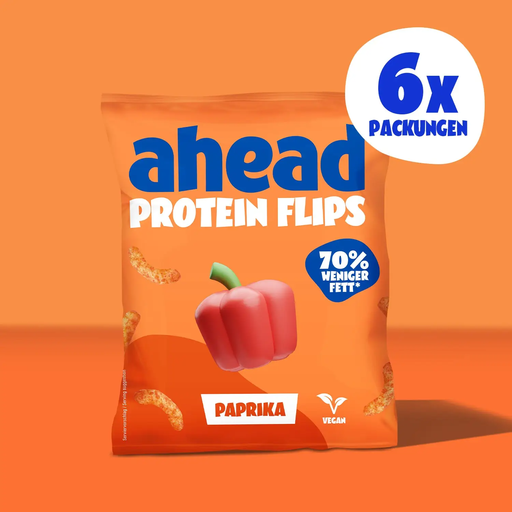
If you’d rather have something crunchy than a nut mix for your study break, you’ll find protein flips here in individually wrapped portions. Check the pack for information on protein density, salt and allergens before buying.
 No image available
A crunchy alternative to a nut mix if you want to portion out snacks individually for several study breaks.
The product name specifies six 50 g packs. Before buying, compare the nutritional information and ingredients for the specific variety.
It’s not just the number of grams per 100 g that matters, but also the product’s energy value. EDEKA explains that a ‘high protein’ claim means at least 20% of the energy value comes from protein; based on the figures provided, the Kluth Fit Food Protein Mix listed by REWE works out at around 22.9%.
No, you can’t tell that from a protein or fat claim alone. The North Rhine-Westphalia Consumer Advice Centre notes that alternative crisps containing less fat don’t necessarily contain correspondingly fewer calories. So compare the kcal figures per 100 g and per planned portion.
It depends on the specific product: Kluth Fit Food Protein Mix contains soya, peanuts, almonds and walnuts; Lorenz lists peanuts and wheat, among other ingredients, for NicNac's Original. Check the ingredients and highlighted allergens on the pack you’re actually buying.
It can help you narrow down your options, but you should check the actual packaging before eating the product. Lorenz and funny-frisch note that if a recipe changes, the information on the relevant pack is the one to follow.