People prioritising protein
You want to choose a crunchy snack for your coffee break that has more protein than the potato crisps compared here. A recipe based on pulses could also fit the bill.


If protein is your priority when choosing a crunchy snack for your coffee break, compare the nutrition information and check the ingredients: funny-frisch Protein Chips Curry, listed by REWE, contain 21 g of protein per 100 g, but are not made mainly from potatoes. The potato-based examples Chio Chips Red Paprika and Lorenz Crunchips Honey-BBQ Style contain 6.0 g and 5.4 g of protein per 100 g respectively, according to Chio and Lorenz. A protein claim alone tells you neither enough about the overall portion nor about its fat, salt or other ingredients.
You want to choose a crunchy snack for your coffee break that has more protein than the potato crisps compared here. A recipe based on pulses could also fit the bill.
Having potatoes as the main ingredient and choosing a familiar type of crisp matter more to you than a high protein content. The ingredients list can help you distinguish potato crisps from other types of savoury snack.
You want to consider energy, fat, salt and potential allergens as well as protein. Compare the information per 100 g and for the amount you actually plan to eat.
First, decide whether protein content or a classic potato base matters more to you for your coffee break. Then compare the nutrition information and labelling for the specific variety.
| Criteria | What to check | Who may care most |
|---|---|---|
| Protein content | Compare protein per 100 g and per planned portion, as well as the ingredients. | If you include your post-workout coffee break in your nutrition plan, you’ll want to know how much protein you’ll get from the amount you actually eat; this is the main consideration for around 50% of consumers. |
| Potato base | Check the product description and the first ingredients listed, rather than assuming a crisp-shaped snack is made from potatoes. | If classic potato crisps matter more to me than a higher protein content, I check the ingredients first; around 20% of consumers give this preference priority. |
| Energy and fat | Consider energy and fat per 100 g alongside the portion size. | If you’re choosing between two savoury snacks, you’ll want to assess the energy and fat in your portion rather than relying only on a protein claim; this is the most important comparison for around 20% of consumers. |
| Ingredients and salt | Read the ingredients, allergen information and salt content on the specific pack. | If a particular ingredient base, potential allergens or salt content are decisive for me, I check the pack before buying; around 10% of consumers put this ahead of the other criteria. |
The funny-frisch Protein Chips Curry described by REWE contain lentil flour, maize flour and pea protein isolate. By contrast, potatoes are the first ingredient in the Chio and Lorenz varieties considered here. The word “crisps” alone doesn’t tell you about these differences.
If you specifically want potato crisps, check the product description and ingredients list before buying.
The North Rhine-Westphalia Consumer Advice Centre points out that crisps with less fat do not automatically contain proportionally fewer calories. A higher protein content also describes only one part of the nutritional picture.
Compare energy, fat, protein and salt on the same basis and take your portion size into account.
For funny-frisch Protein Chips Curry, REWE lists 1.7 g of salt per 100 g, or 0.52 g per 30 g portion, and states that the product may contain milk. These details are just as relevant to your choice as the protein content.
Check the salt content and allergen information on the pack of the variety you’re buying.
A higher protein content doesn’t make a particular snack an essential part of your post-workout diet. The Consumer Advice Centre explains that you can also meet your protein needs with everyday protein-rich foods.
Choose your snack based on taste, ingredients and the nutrition information that matters to you, rather than a blanket promise about recovery.
Protein Chips Curry is an example of a crunchy snack with a different ingredient base from classic potato crisps.
Crunchips Honey-BBQ Style is a potato-based example for comparison if classic potato crisps matter more to you than a higher protein content.
Chio Chips Red Paprika is another potato-based example to consider when choosing between a classic type of crisp and a protein snack.
REWE is included here as the source of product information for funny-frisch Protein Chips Curry, not as the manufacturer of the variety.
This selection includes lentil crisps and flip snacks for a crunchy break. If you’re looking for classic potato crisps, check the ingredients for each variety: the products shown here are alternative snack options.
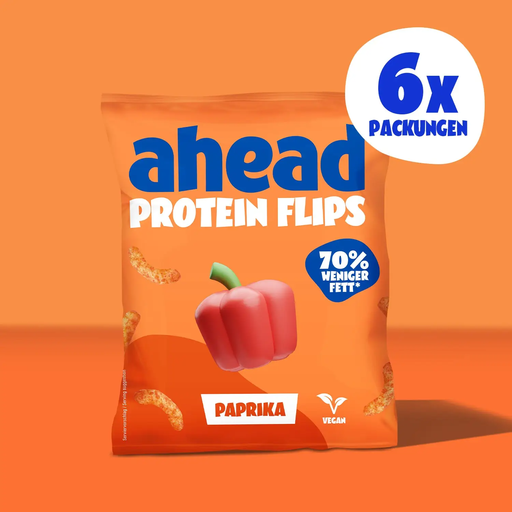 No image available
A flip snack for your coffee break if you’re looking for an individually bagged protein snack rather than classic potato crisps.
According to the product name, the tray contains six 50 g bags. Check the pack’s nutrition information to compare protein and salt for your portion.
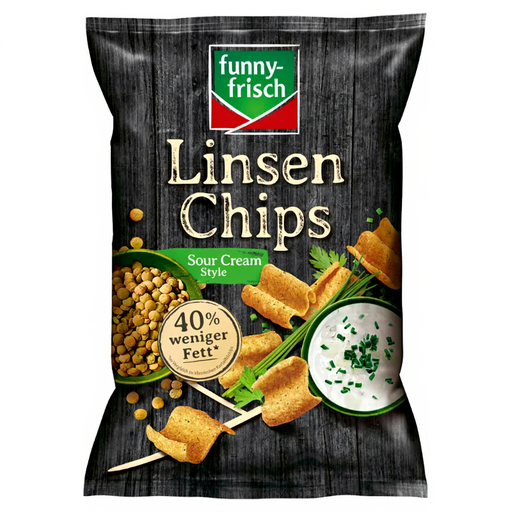 No image available
These lentil crisps are worth considering if you’re looking for an alternative to classic potato crisps with a sour cream and onion flavour.
The product name specifies a 90 g pack. Check the protein, salt and allergen information for this variety; nutrition details for another funny-frisch variety won’t necessarily apply.
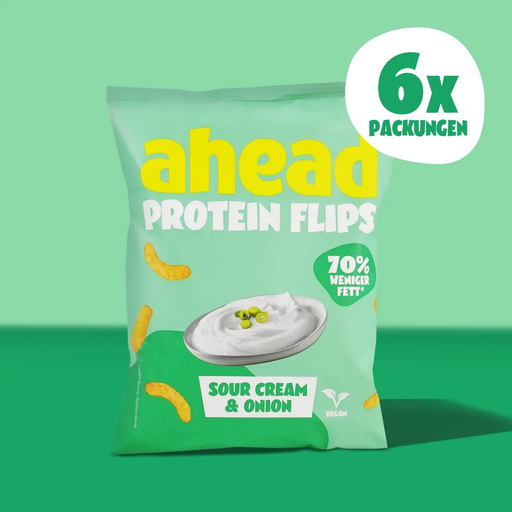 No image available
A crunchy protein snack for your break if you’re not specifically looking for classic potato crisps.
Before comparing, check the protein content and the rest of the nutrition and ingredients information on the pack.
No, the ingredients can differ. The funny-frisch Protein Chips Curry described by REWE contain lentil flour and pea protein isolate, among other ingredients; potatoes are the first ingredient in the Chio and Lorenz potato crisps considered here. The product description and ingredients for each variety will make the difference clear.
First compare protein per 100 g, then work it out for the portion you plan to eat. REWE lists 21 g of protein per 100 g and 6.2 g per 30 g portion for funny-frisch Protein Chips Curry; Chio lists 6.0 g per 100 g for Chips Red Paprika, and Lorenz lists 5.4 g per 100 g for Crunchips Honey-BBQ Style. These figures apply only to these three varieties, not to other products from the same brands.
Yes. Protein content doesn’t replace checking the rest of the nutrition information. The North Rhine-Westphalia Consumer Advice Centre points out that crisps with less fat don’t automatically contain proportionally fewer calories. REWE also lists 1.7 g of salt per 100 g for funny-frisch Protein Chips Curry, so compare the figures for the portion you plan to eat.
No, nutrition claims on food are regulated in the EU. The European Commission explains that only claims listed in the Annex to Regulation (EC) No 1924/2006 are permitted, subject to the conditions that apply to them. You can’t tell whether a specific product meets these conditions just from the wording on the front of the pack; the full nutrition information is also important when comparing products.