
Lieferung heute & morgen

Qualitätsgarantie

Willkommens-Angebote freischalten: KOSTENLOSE Lieferung | Bis zu 80 % RABATT | Kostenlose 30-Tage-JoyPlus-Testphase
App herunterladen
Protein snacks are a practical solution for many people: they fit in your work bag, make a convenient between-meal snack or complement your diet after training. The choice ranges from protein bars and beef jerky to protein chocolate, nuts and protein powder. However, marketing terms such as “High Protein”, “No Sugar Added” or “Low Carb” alone say little about whether a product is actually suitable.
A product may show a high protein value per 100 g, even though a single serving weighs only 25 or 40 g. You should therefore always check both figures:
Serving size is also crucial with protein powder: a product containing 76 g of protein per 100 g provides approximately 22.8 g of protein when using 30 g of powder.
Sugar-free or low-sugar snacks may contain sweeteners such as maltitol, sorbitol, xylitol or sucralose. Sugar alcohols in particular affect the carbohydrate and calorie balance differently from table sugar, but they do not automatically make a product low in calories. Consuming larger quantities may also result in a warning about a laxative effect.
You should therefore check:
“No added sugar” also does not necessarily mean that a product contains no sugar at all. Products containing milk ingredients, chocolate or syrups may contain naturally occurring or otherwise present sugars.
Low-carb snacks and keto snacks may contain little sugar or few carbohydrates while also providing relatively high levels of fat or salt. Beef jerky, for example, is high in protein but may contain a considerable amount of salt, depending on the variety. According to the product information, Jack Link’s Original Beef Jerky contains 35 g of protein, 20 g of carbohydrates and 5 g of salt per 100 g.
For your everyday choice, it is therefore the overall nutritional profile that matters, not just one advertised figure.
Protein may come from milk, whey, soya, collagen, peas or meat. The source is relevant for allergies, dietary choices and personal preferences. With bars, you should check whether the protein content comes from milk protein, whey, soya or collagen. Collagen should not be equated with conventional whey or milk protein and should be considered separately when choosing a product.
For an easy comparison, the following order is recommended:
In Germany, packaged foods must clearly highlight important allergens in the ingredients list. Common ingredients in protein snacks include milk, soya, peanuts, hazelnuts, wheat and other cereals containing gluten.
The products featured include, for example:
If you have an allergy or intolerance, always check the information on the current packaging. Recipes and may-contain statements can change.
Individually wrapped portions are practical for commuters and people with active working lives. A 25 g beef jerky pouch is easy to carry, while a pack of 12 protein bars makes stocking up easier. Protein powder is better suited to use at home or in the office, as you will also need water or a milk alternative and a shaker.
The storage instructions are also important:
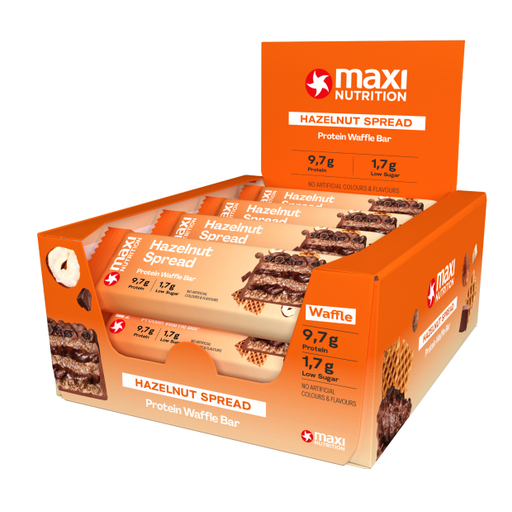
Why this product suits this profile: The 39 g serving is a manageable choice for beginners and everyday use. According to the product information, one bar contains 9.7 g of protein and 1.7 g of sugar.
The clearly stated serving size prevents the protein value per 100 g from being considered in isolation. The sugar content per bar is also provided.
12 individually wrapped bars, 25 g of protein per 100 g and a handy format for on the go.
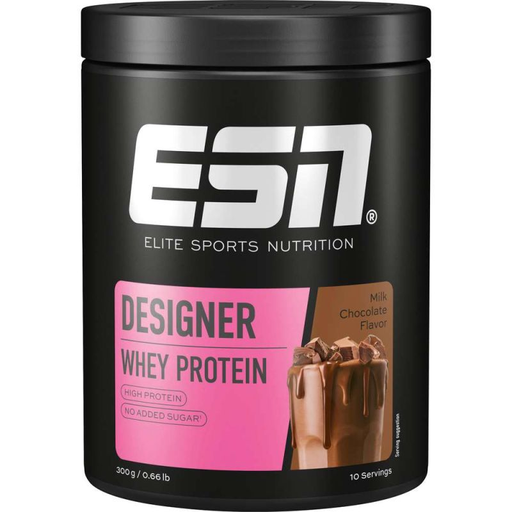
Why this product suits this profile: According to the product description, this whey combines whey concentrate and whey isolate, providing 76 g of protein per 100 g.
The recommended 30 g mix makes it easy to work out the amount per shake. Milk and soya allergens are clearly stated.
Suitable for shakes, porridge and baking recipes; 300 g pack with a measuring scoop.
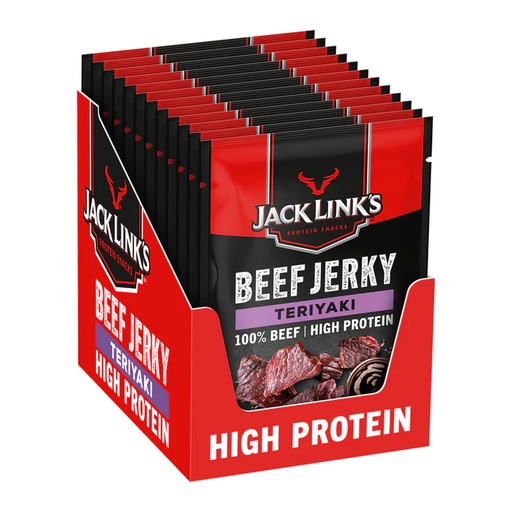
Why this product suits this profile: These individually portioned meat snacks are designed for travel, hiking and working days without access to a fridge.
The nutritional information lists not only 35 g of protein, but also 24 g of carbohydrates and 5 g of salt per 100 g.
12 packs of 60 g, suitable for storage without refrigeration and with clearly labelled soya and wheat allergens.
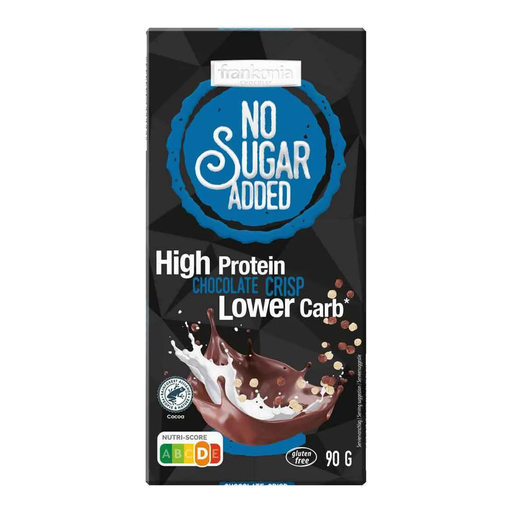
Why this product suits this profile: This chocolate combines a sweet treat with a stated 30 g of protein per 100 g and 40% cocoa content in the chocolate portion.
The ingredients list names maltitol as a sweetener and identifies milk and soya as allergens. The recommended serving is approximately 30 g.
90 g bar with crunchy protein pieces; suitable as a portioned snack between meals.
We have put together a complete, regularly updated list of products that fully meet these strict selection criteria and the safety regulations applicable in the EU.
Individually wrapped protein bars, beef jerky and small portions of nuts are easy to transport. Before buying, check the weight, storage conditions and protein content per serving. Chocolate products are less suitable for warm days as they can melt.
No. Despite their high protein content, protein bars may contain sugar, syrups, flour or large amounts of polyols. You should therefore compare carbohydrates, sugar and energy per bar. A low sugar content alone does not describe the total carbohydrate content.
The best-before date on the packaging is the key reference. Unopened dry bars, protein chocolate and powder are usually stored in a cool, dry place. Depending on the packaging, unopened beef jerky can be stored without refrigeration. Once opened, follow the relevant manufacturer’s instructions and reseal the packaging securely.