
Lieferung heute & morgen

Qualitätsgarantie

Willkommens-Angebote freischalten: KOSTENLOSE Lieferung | Bis zu 80 % RABATT | Kostenlose 30-Tage-JoyPlus-Testphase
App herunterladen
Protein supplements can make it easier to meet your daily protein needs at home, during strength training or on the go. The choice ranges from protein bars and high-protein snack bars to protein powder, whey protein and vegan protein powder. However, the product name alone reveals little about whether an item suits your own nutritional goals.
If you focus only on claims such as “High Protein”, “Low Carb” or “no added sugar”, you may overlook important details. The following criteria help you compare protein products objectively, whether you are an athlete or a health-conscious adult.
A bar containing 30 g of protein per 100 g provides only around 12 g of protein if the serving size is 40 g. When comparing products, you should therefore always check both values:
A high-protein bar may also contain more calories, fat or sugar alcohols. Protein content should therefore not be considered in isolation.
Many sugar-free protein bars or products with no added sugar contain maltitol, sucralose, isomalt or other sweeteners. These can reduce the sugar content, but do not necessarily change the carbohydrate or calorie content.
For larger quantities of polyols, packaging will also commonly include a warning about possible laxative effects. Consumers should check the information on the packaging and consider their individual tolerance.
Whey protein, milk protein, casein, collagen and egg protein are not vegan. Plant-based blends, on the other hand, may contain soya, wheat, pea, rice, sunflower or almond protein. The ingredients list and allergen information should therefore be among the most important things to check before buying.
A product described as vegetarian may also contain milk or egg. If you have allergies or intolerances, are pregnant, take medication or have an existing medical condition, it is advisable to seek individual guidance from a healthcare professional.
For a direct comparison, a simple table should include:
For example, a whey shake may use a different serving format from a protein bar. According to the product information, Mammut Nutrition Whey Protein Shake Vanilla is prepared with 25 g of powder and 300 ml of low-fat milk, providing 27 g of protein per serving. Optimum Nutrition Platinum Hydrowhey, meanwhile, lists 40 g of powder with 30 g of protein per serving.
For a reduced-carbohydrate diet, the full nutritional table is more relevant than the front of the packaging. Check:
A low-carb protein bar may still contain a relatively high proportion of fat or polyols. For example, Corny Protein Crunchy Vanilla & White Choc Flavour lists 30 g of protein and 3.2 g of sugar per 100 g, while also containing 34 g of polyols. The amount consumed should therefore be suitable for your personal tolerance.
For vegan protein products, it is important to check whether only plant-based protein sources are used. According to the product information, Nutri+ 6K Protein Pulver Vegan contains soya, wheat, rice, pea, sunflower and almond protein, among other ingredients. Nutri+ 3K Protein Pulver Vegan Lemon Cheesecake, on the other hand, is based on soya, pea and sunflower protein and is listed as containing no wheat.
When choosing protein powder, you should also consider solubility, the amount of liquid required, pack size and storage instructions. A large bag is worthwhile particularly when the flavour and ingredients are suitable for regular use.
The following products have been assigned to different shopping profiles based on their stated serving sizes, nutritional values, ingredients and intended uses.
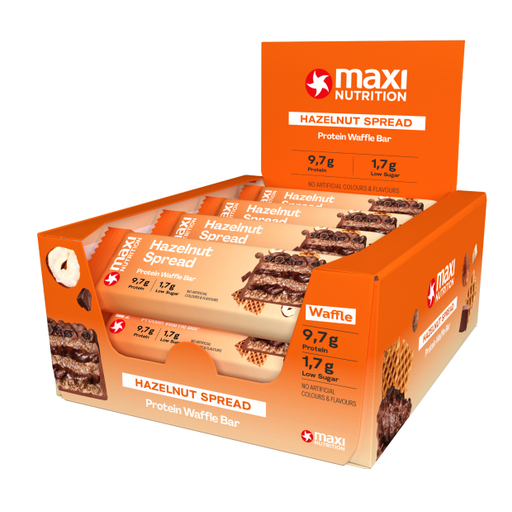
Why this product suits the profile: The 12 individually portioned 39 g bars are suitable for beginners and as snacks between meals. According to the product information, each bar provides 9.7 g of protein and 1.7 g of sugar.
The serving size and protein content per bar are clearly stated. The product information also highlights the presence of maltitol and the possible laxative effect of excessive consumption.
12 x 39 g, wafer texture and 25 g of protein per 100 g. Contains milk, soya, wheat and hazelnuts.
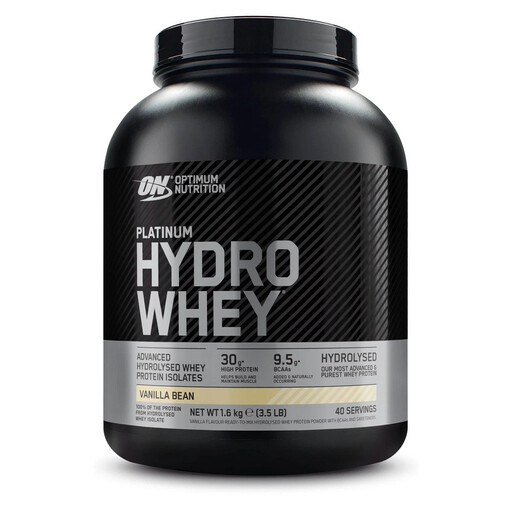
Why this product suits the profile: This powder is aimed at adults who want to compare the protein content, serving size and composition of a whey product in detail.
The information relates specifically to 40 g of powder: 30 g of protein, 2 g of carbohydrates and 0.5 g of sugar. This makes it easier to calculate the serving accurately.
Hydrolysed whey protein isolate, 8.8 g of BCAAs per serving and around 40 servings in the 1,590 g container. Contains milk and soya.
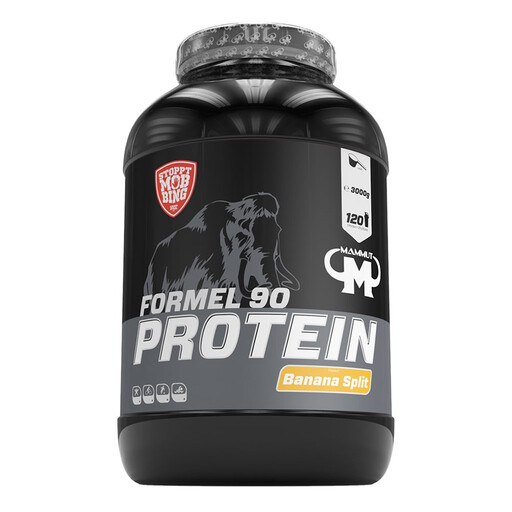
Why this product suits the profile: The 3 kg container is aimed at regular users who plan to use protein powder in post-workout shakes or as a snack.
The four-component blend and allergens are listed in the product information. Soya, milk, egg and gluten make this product unsuitable for certain diets.
29 g of protein per stated serving, vegetarian and enriched with vitamin B6. Once opened, the powder should be used within three months.
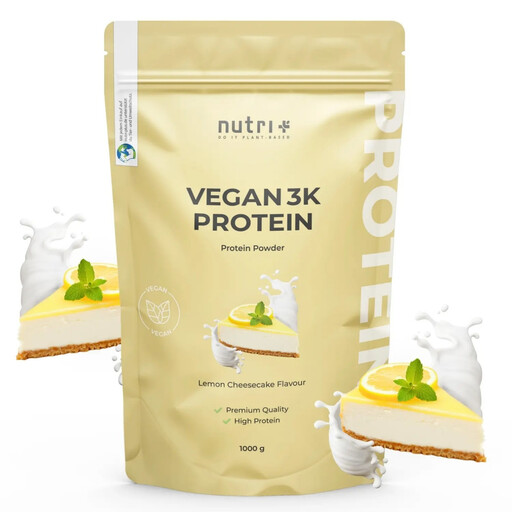
Why this product suits the profile: The stated recipe is based on three plant-based protein sources and is intended for adults who want to use vegan protein powder in shakes.
The protein sources—soya, pea and sunflower—are listed transparently. The “no wheat” description distinguishes this product from blends containing wheat protein.
24 g of protein per 30 g serving according to the product description, with flexible preparation using 350–400 ml of liquid.
We have put together a complete, regularly updated list of products that fully meet these strict selection criteria and the safety regulations applicable in the EU.
Protein bars and high-protein snack bars are practical when preparation is not possible. They fit easily in your sports bag, office drawer or luggage. However, they often contain chocolate, fats, sweeteners and sugar alcohols. Checking the ingredients list is particularly important with bars.
A protein shake made with whey or vegan protein powder can be portioned more precisely. It is suitable for people who train regularly and want to supplement their protein intake with a meal or after training. However, you will need to plan for the additional liquid and a shaker.
Pre-workout boosters are not protein supplements. They serve a different purpose and may contain caffeine or other stimulating ingredients. For example, 5% Nutrition 5150 is listed as containing 470 mg of caffeine per serving. Particular caution is advised for people sensitive to caffeine, minors, pregnant women and breastfeeding women; the labelling and recommended serving should always be followed.
That depends on how you intend to use it and on the rest of your diet. For a snack, 10 g of protein per bar may be sufficient, while people using one after training may prefer a larger serving. What matters is the actual amount of protein per bar, not just the percentage per 100 g.
They can form part of a balanced diet, but they are not a substitute for varied meals. You should consider the recommended daily serving, allergens, sweeteners and your individual tolerance. If you have any health-related questions, seek advice from a healthcare professional.
This depends on the individual product. Powder stored in a dry, cool, dark place and kept tightly sealed should be used within the period stated on the packaging. Mammut Formula 90 Protein Powder is stated to be suitable for use within three months of opening. The current label should always be treated as the definitive source.