Travellers planning their protein intake
You want to pack a snack for your journey, a wait or a change of flight, and know how much protein each bar contains. That means checking the nutritional values per bar and how many portions you’ll need.


A mixed pack of protein bars can be a good snack choice for a flight if the number and size of the bars suit your needs and you compare the nutritional values for each bar. With an assortment, check the ingredients, allergens and sweeteners for each flavour individually. It’s also worth checking whether the bars are individually wrapped before you buy. For international travel, you’ll also need to consider the import rules along your route.
You want to pack a snack for your journey, a wait or a change of flight, and know how much protein each bar contains. That means checking the nutritional values per bar and how many portions you’ll need.
You need to avoid certain ingredients or pay attention to the sweeteners used. With an assortment, the labelling for each individual flavour matters more than the brand name.
You want to be prepared for a trip without buying lots of unfamiliar flavours. A few familiar bars or a small assortment may be a better fit for the quantity you need.
First, check that you can have the ingredients in each flavour. Then compare nutritional values and portion sizes, and finally check that the pack and any travel requirements suit your route.
| Criteria | What to check before buying | Who it matters most to |
|---|---|---|
| Portion and nutritional values | Protein, sugar and energy per bar, as well as the portion weight; for comparing recipes, also check the nutritional values per 100 g. | If I’m packing a bar as a planned source of protein, I want to know its nutritional values for that exact portion. This is the main consideration for around 37% of consumers. |
| Ingredients and tolerance | Ingredients and highlighted allergens in each flavour; if relevant, also check the protein source and sugar substitutes. | With an assortment, every variety needs to meet my ingredient requirements, not just one of them. Ingredients and tolerance are the main concern for around 27% of consumers. |
| Taking bars on a trip | Whether solid bars are individually wrapped and what rules apply at departure, in transit and on arrival. | I want to take portions for waits and changes of flight that I can store separately. Around 18% of consumers put this travel-related factor first. |
| Pack size and choice of flavours | The number and weight of the bars, and the flavours included; if you’re storing them for longer, also check the best-before date and storage instructions. | For a single trip, I don’t want to buy more unfamiliar flavours than I’m likely to need. The right pack size is the priority for around 18% of consumers. |
The amount of protein alone doesn’t tell you everything about the recipe or the portion you’ll actually eat. Protein bars can also vary in their sugar, fat, fibre and energy content.
Compare the nutritional values per bar, and use the figures per 100 g when comparing bars of different sizes.
Ingredients and allergens can vary from one flavour to another. If you have an allergy, even a small amount of the allergen in question may be relevant, as the European Food Safety Authority explains.
Before choosing an assortment, read the current ingredients list and highlighted allergen information for every flavour it contains.
The consumer advice centre notes that larger amounts of certain sugar substitutes can cause bloating and diarrhoea. Your personal tolerance is therefore worth considering when choosing a travel snack.
Check the ingredients and, if possible, try an unfamiliar flavour before the day of your trip.
Hand luggage rules at your departure airport and import rules at your destination cover different things. The European Commission distinguishes, among other things, between travelling within the EU and entering from a non-EU country.
For international travel, check the guidance for your departure and transit points, as well as the destination country’s import rules. Pay particular attention to the ingredients in the bars.
ESN’s protein bar ranges include Designer Bars and GOAT Bars.
Barebells offers classic protein bars, soft bars and varieties described as vegan.
Sportness is a brand sold at dm, with protein bars in a range of flavours and portion sizes.
These protein bars could be options for planned snacks on flights. For packs containing several bars, check the portion size, ingredients and the number of bars included. For taking them on your trip, also check whether they’re individually wrapped.
 No image available
You can compare the listed pack of twelve 50 g bars with your snack needs for the trip. If peanuts, milk or soya are relevant to you, check the current allergen information. Also check whether the bars are individually wrapped.
 No image available
The listed pack of twelve 45 g bars is suitable for planning several snacks. When choosing this flavour, note the information about milk, soya, hazelnuts and the sweeteners maltitol and sucralose. Check whether the bars are individually wrapped for your trip.
 No image available
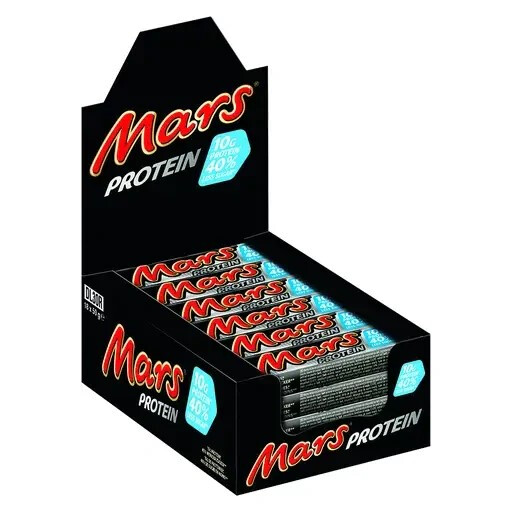
The title lists 18 bars at 50 g each; compare this quantity with the number of snacks you’re planning. Check sugar and energy using the current nutritional information per bar, as well as the labelling for milk, soya, egg and barley. For taking them on your trip, check whether the bars are individually wrapped.
 No image available
If you’re looking for a variety described as vegan, you can consider this pack of twelve 55 g bars. For allergens, pay particular attention to peanuts, soya and the wheat protein it contains. Compare the protein content with the current pack information, and check whether the bars are individually wrapped.
 No image available
The title lists 16 bars at 40 g each, making this pack worth considering if you’re planning several travel snacks. Before buying, check the number of bars, portion weight and nutritional values against the current pack. If relevant, check the labelling for milk and soya, as well as possible traces of other allergens. Also check whether the bars are individually wrapped.
Check the guidance from your departure airport and airline. The restrictions published by Fraport for liquids at Frankfurt Airport mainly concern liquid containers; they don’t provide a blanket answer about taking every type of protein bar on board. Check creams, shakes and gel-like products separately against the rules for your trip.
Yes. If you need to avoid a particular allergen, check the labelling for every flavour in the pack. Under EU labelling rules, allergens present in pre-packed foods must be highlighted in the ingredients list. Recipes can vary within an assortment.
Check the import rules for your specific route and the ingredients in the bar. The European Commission explains that meat and dairy products can generally be carried for personal consumption when travelling within the EU; different rules apply when entering from a non-EU country. Remember to check the rules for transit countries as well as your destination.
No. The sugar content alone doesn’t tell you how well you’ll tolerate a bar. Some contain sugar substitutes such as maltitol; according to the consumer advice centre, larger amounts of these sugar alcohols can cause bloating and diarrhoea. Check the ingredients and, if possible, try unfamiliar flavours before your trip.