Market-goers keeping an eye on their calorie intake
You want to fit a bar in alongside mulled wine and market food. What matters is the energy in the portion you’ll actually eat – not just the figures per 100 g.


If you’re choosing a protein bar as a snack at the Christmas market, first compare the calories in the whole bar you’ll actually eat, then check the nutritional information per 100 g. A small portion, high protein content or ‘no added sugar’ claim doesn’t, on its own, mean that a bar is low in calories. The ingredients and allergen information for the specific variety may also narrow down your options.
You want to fit a bar in alongside mulled wine and market food. What matters is the energy in the portion you’ll actually eat – not just the figures per 100 g.
You’re looking for a handy, sweet snack and want to know how much protein a whole bar contains. A high protein figure doesn’t replace the need to check energy and ingredients.
You’re looking for a plant-based recipe or need to avoid certain ingredients and possible traces. The label on the specific variety is what matters, not just the product range name.
Start by checking the energy content for the amount you plan to eat. Then you can assess the ingredients, protein and sugar information in light of your main buying priority.
| Criteria | What to check | Who it matters to |
|---|---|---|
| Calories per bar | Compare the kcal per whole bar and per 100 g; take the bar’s weight and the number of bars you’ll eat into account. | If I’m planning to have a bar alongside market food, I want to know the energy content of the portion I’ll actually eat. For around 33% of shoppers, portion size is the top priority. |
| Ingredients and allergens | Read the ingredients and allergen and precautionary trace information for the specific variety; a vegan label doesn’t replace these checks. | If I’m choosing a plant-based option or avoiding certain ingredients, the recipe needs to meet my requirements before I buy. This is the main consideration for around 27% of shoppers. |
| Protein per bar | Compare the grams of protein per bar with the figures for energy, sugar and fat. | I want to choose a bar for its protein content without overlooking the other nutritional information. This comparison comes first for around 20% of shoppers. |
| Sugar and sweeteners | As well as checking the sugar figure, read the ingredients list and the total energy per portion. | If the type of sweetener matters to me, a claim on the front of the pack isn’t enough. Around 20% of shoppers check this first when choosing a bar. |
A bar may still contain sweeteners. Lebensmittelklarheit points out that sugar alcohols provide less energy than sugar, but they’re not calorie-free.
Use the claim to help assess the ingredients, and check the kcal per bar separately.
A market survey by the North Rhine-Westphalia Consumer Advice Centre found that protein claims on the bars examined weren’t consistent, making them difficult to compare.
Compare nutritional information for the same serving size, and also read the ingredients and allergen information.
A smaller bar may have fewer calories simply because it weighs less. That doesn’t tell you how two products compare per 100 g.
For two options, note both the kcal per bar and kcal per 100 g, then decide based on the portion you plan to eat.
The vegan KoRo protein bar described by dm contains soya; possible traces of other allergens are also listed. So a vegan recipe doesn’t remove the need to check if you have allergies.
Check the current ingredients and precautionary trace information for every variety. If you’re not sure it’s suitable for you, don’t choose the bar based on its vegan label alone.
These examples show different types of bars and buying considerations; a brand name alone tells you nothing about calories per portion or the ingredients in every variety.
The Protein Delight Bar is an example of a smaller 35 g bar.
Barebells offers Original, Soft, Gooey and plant-based bars, among others. The brand states that its bars contain 15 to 20 g of protein per bar, depending on the variety.
The Chocolate Brownie protein bar described by dm is labelled vegan and weighs 55 g. It contains 368 kcal and 24 g of protein per 100 g.
This selection includes 45 g or 55 g bars sold as single portions within multipacks, including one variety labelled vegan. If you’re choosing a snack for the Christmas market, check the nutritional information for the specific pack per bar; inclusion in this selection doesn’t mean a bar has been classed as low-calorie.
 No image available
If you’re planning to have one bar as a snack, compare the nutritional information for the 55 g portion with your calorie budget. If you have a milk or soya allergy, or want to check the sweeteners, refer to the current ingredients label for this variety.
 No image available
If you want to compare a 45 g portion with larger bars, check the kcal per bar on the current pack. If you need to avoid gluten, don’t rely on a suitability claim alone: read the ingredients and allergen information on the specific pack.
 No image available
If you’re considering this variety, which is labelled vegan, check both the calories and the current protein content on the pack for the 55 g portion. If you have a peanut, wheat or soya allergy, check the ingredients and any possible traces separately.
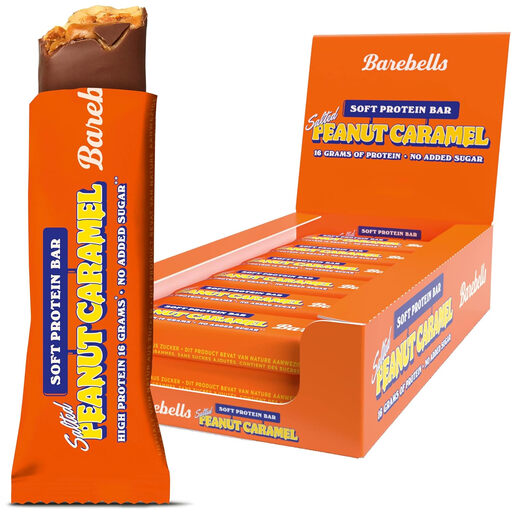 No image available
If the Soft variety appeals to you, assess its 55 g portion using the energy and protein figures on the pack rather than the flavour name. According to the product information, the bar contains peanuts, milk and soya; check the sweetener information too.
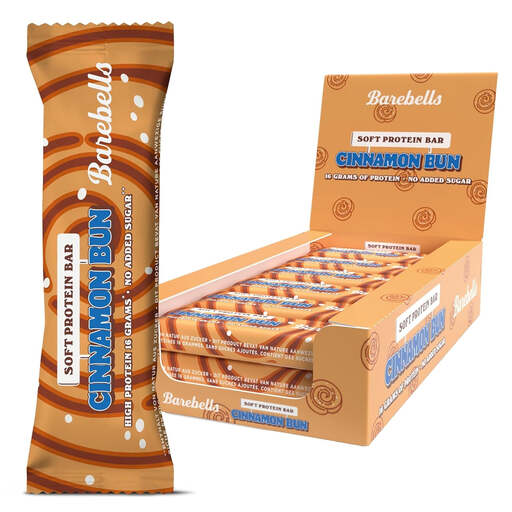 No image available
If you’re planning to have this Soft variety as a single 55 g portion, compare its calories with those of the other bars. Use the figure on the current pack to compare protein content, and also check the information on milk ingredients and sweeteners.
Compare the kcal in the whole bar with the portion you’ll actually eat. Also check the figure per 100 g, so a small bar isn’t assumed to be lower in energy simply because it weighs less.
No, the claim alone doesn’t support that conclusion. The bar may still contain sweeteners; according to Lebensmittelklarheit, sugar alcohols provide energy, even if less than sugar. The kcal figure remains key when comparing portions.
Yes, a vegan label doesn’t replace allergen information. For example, the vegan KoRo bar described by dm contains soya and carries warnings about possible traces of other allergens, so always check the specific variety.
Not necessarily. The Consumer Advice Centre describes protein intake in Germany as generally adequate. If you choose a bar as a snack, assess its protein content alongside portion size, energy and ingredients.
Look for the nutritional information, portion weight, ingredients list and allergen information for the specific variety. A market survey by the North Rhine-Westphalia Consumer Advice Centre found that the information on some of the protein bars examined was difficult to read, so check beneath any packaging flaps too.