For a longer or more strenuous hike, a high protein content alone isn’t enough to guide your choice: check the carbohydrates and energy per bar, too. If you’re looking for a convenient, portioned snack to enjoy around exercise, a protein bar can be a practical option. If you follow a vegan diet, have allergies or a sensitive stomach, the ingredients and information on the specific pack matter as well.
Which bars are right for you?
Hikers on longer or brisker routes
If keeping fuel up for the duration and intensity of your hike is your priority, look at the carbohydrates and energy per bar as well as the protein. The German Nutrition Society highlights the role of carbohydrates in providing energy during exercise.
Hikers looking for a protein snack
If you’d like to take a portioned bar on a shorter hike or have one around exercise, compare the protein content per serving. A snack like this doesn’t have to replace a meal.
Hikers with specific ingredient requirements
If you follow a vegan diet, have allergies or a sensitive stomach, the ingredients list, allergen and ‘may contain’ warnings, and any sugar alcohols are more important than the claims on the front of the pack.
What should you look for when buying?
Whether a product is called a cereal bar or a protein bar, you still need to compare the nutritional information. Start with what matters most for your hike, then compare the figures for the portion you’ll actually take with you.
| Criterion |
What to check when buying |
Who it matters most to |
| Fuel for longer hikes |
Compare the carbohydrates and energy per bar, as well as the bar’s weight. |
On a long or brisk hike, I don’t want to choose what I take to eat based on protein content alone. For around 33 % of consumers, staying fuelled during a hike is likely to be the main reason for buying. |
| Protein as a snack criterion |
Compare the protein per bar, rather than just the percentages per 100 g. |
If I’m looking for a portioned snack to have around exercise, I want to know how much protein is in one serving. Around 27 % of consumers are likely to put this need first. |
| Dietary requirements and allergens |
Check the ingredients, highlighted allergens and ‘may contain’ warnings on the pack. |
A bar needs to meet my ingredient requirements; the word ‘vegan’ doesn’t answer every question about allergens. For around 20 % of consumers, this is likely to be the main selection requirement. |
| Tolerance and value |
Check for sugar alcohols and product-specific serving advice; if you buy regularly, compare pack sizes. |
Before a hike, I want to know whether I can tolerate the recipe and whether the pack suits my needs. For around 20 % of consumers, this is likely to be a priority when buying. |
Common selection mistakes
-
Looking only at the protein percentage
A percentage per 100 g doesn’t tell you how much carbohydrate or energy you’ll get from the bar you take with you. The German Nutrition Society also considers carbohydrates important during prolonged exercise.
Compare the nutritional information per bar and plan the rest of your food and drink around the length and intensity of your hike.
-
Trying a bar with sugar alcohols for the first time on the trail
The German consumer advice centre warns that consuming large amounts of sugar substitutes can have a laxative effect. Some bars, for example, contain maltitol.
Read the ingredients and serving advice, and don’t make a new product your first choice on a long hike.
-
Assuming ‘vegan’ means ‘allergen-free’
A vegan bar can still contain nuts or carry warnings about possible traces of other allergens.
If you have an allergy, check the ingredients and warnings on the packaging of the specific product you’re buying.
Brands to consider
REWE PWR
REWE sells protein bars, among other products, under this own-label brand.
- For its Brownie bar, REWE states that each 45-g bar contains 13,5 g of protein and 13,7 g of carbohydrates. The per-serving figures make it easier to compare bars for hiking.
- The Brownie bar contains milk and soya protein, as well as sugar alcohols; check the ingredients for the flavour you want.
MAX BALANCE
The EDEKA brand includes protein bars with different recipes, including a vegan option.
- EDEKA states that its White Chocolate Vanilla bar contains 40 g of protein per 100 g. The bar’s weight is also important when comparing products with different serving sizes.
- The White Chocolate Vanilla option contains milk, soya and maltitol. Check the allergen and ‘may contain’ warnings for the vegan Almond Cookie option, too.
ALDI SPORTS
ALDI sells high-protein bars in a range of pack formats and flavours under this own-label brand.
- ALDI Nord states that one 45-g bar contains 31 g of protein per 100 g; this figure does not refer to the whole bar.
- For a Nougat multipack, ALDI SÜD flags polyols and gives product-specific serving advice. Compare the information for the particular flavour you’re considering.
Roobar
REWE sells Roobar’s organic Cherrymaca protein bar as a vegan product.
- Its plant-based recipe offers an option if you’re looking for a bar labelled as vegan.
- The Cherrymaca bar contains cashews. If you have allergies, follow the information on the specific pack, including the serving advice.
Protein bars on Joybuy for when you’re out and about
These protein bars could work as portioned snacks to take with you or have around exercise. For longer hikes, also compare the nutritional information per bar and plan all the food and drink you’ll need.
 No image available
Barebells Vegan Protein Bar Peanut Caramel, 12 × 55 g
A portioned bar to take with you, if you’d like to compare protein and carbohydrates per serving.
According to the product name, the pack contains 12 bars of 55 g each. The product information gives different figures for the protein per bar, so check the value on the pack.
If you follow a vegan diet or have a peanut or soya allergy, check the ingredients and allergen information on the specific pack.
View on Joybuy
 No image available
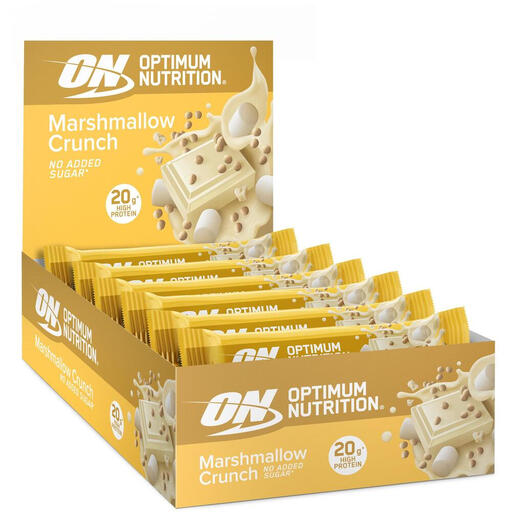
Optimum Nutrition Protein Bar Marshmallow Crunch, 10 × 65 g
A portioned protein snack to take with you or have around exercise.
The product name specifies 10 bars of 65 g each. If you’re planning to include a bar in your provisions for a longer hike, check the carbohydrates and energy per bar on the pack, too.
If you have intolerances or allergies, check the information on milk, soya and wheat in particular, as well as any possible traces.
View on Joybuy
 No image available
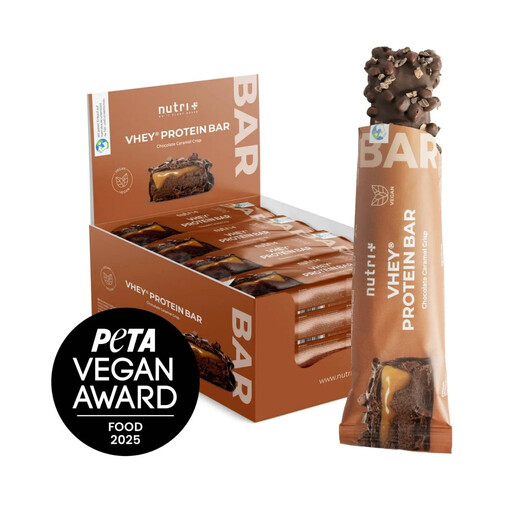
Nutri+ Whey Protein Bar Chocolate Caramel Crisp, 12 × 50 g
A bar format that’s easy to take with you, where it’s particularly important to check the exact recipe before choosing.
The product name specifies 12 bars of 50 g each. As ‘Whey’ in the name doesn’t clearly match the description of the protein sources, don’t assume it’s suitable for a vegan diet based on the name alone.
Check the ingredients, allergens and carbohydrates per bar on the pack. If you’re sensitive to sugar alcohols, the information about maltitol is also relevant.
View on Joybuy
 No image available
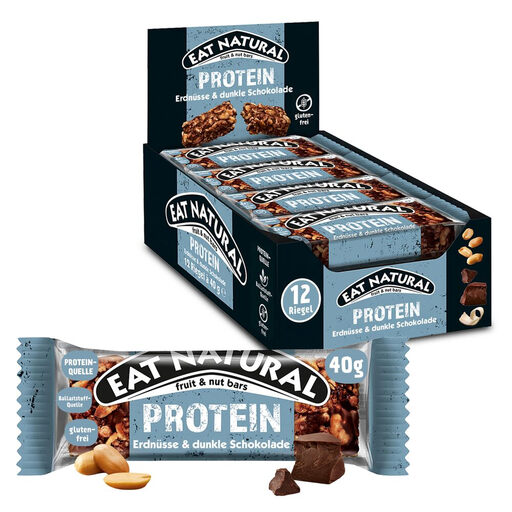
Eat Natural Protein Bars Peanuts & Dark Chocolate, 12 × 40 g
Individually portioned bars to take with you, if you’d like to consider both protein and carbohydrates when choosing.
The product name specifies 12 bars of 40 g each. Don’t compare nutritional values per 100 g directly with per-serving figures for other products; check the information for one bar on the pack.
If you have a peanut or soya allergy, or any other allergies, check the ingredients and ‘may contain’ warnings on the specific pack.
View on Joybuy
 No image available
Corny Crunchy Cookie Flavour Protein Bar, 30 % protein, 12 × 45 g
A portioned protein bar to enjoy as a snack before or after exercise.
The product name specifies 12 bars of 45 g each and a protein content of 30 %. If you’re taking it on a hike, compare the nutritional information per bar on the pack.
If you have allergies, check the ingredients and ‘may contain’ warnings. As sweeteners are listed, also check the serving advice and consider how well you tolerate them.
View on Joybuy
Frequently asked questions
Is a protein bar enough to fuel a long hike?
A protein bar isn’t necessarily a suitable choice on its own. The German Nutrition Society highlights the role of carbohydrates during exercise; check the carbohydrates and energy per bar, and plan the rest of your food and drink around your hike.
Do I need a protein bar after hiking?
A protein bar isn’t a standard must-have after every hike. Everyday foods can contribute to your protein intake, too. Choose a bar if it works as a portioned snack alongside the rest of your diet and meets your ingredient requirements.
Is a vegan protein bar suitable if I have an allergy?
The word ‘vegan’ doesn’t answer questions about allergens. Vegan bars can contain nuts, for example, or carry warnings about possible traces of other allergens, so check the packaging of the specific product.
What should I know about sugar alcohols in hiking bars?
Read the ingredients and serving advice, especially if you’re planning to take several bars with you. According to the German consumer advice centre, sugar alcohols such as maltitol can have a laxative effect in larger amounts; it’s best to try a new bar before your hike.


