Parents planning holiday outings
If you’re packing a bar for a car journey or day out, you’ll want a suitable portion size and, above all, clear information about ingredients and sweeteners.


A protein bar isn’t a necessary everyday snack for children during the school holidays. The Verbraucherzentrale generally does not consider products containing sweeteners and sugar substitutes a suitable alternative for children, and says that extra protein is usually unnecessary when their everyday diet is already adequate. If you’re taking a bar along on the occasional outing, check the information for the whole bar, as well as the ingredients, allergens and sweeteners, rather than relying on the protein claims on the front of the pack.
If you’re packing a bar for a car journey or day out, you’ll want a suitable portion size and, above all, clear information about ingredients and sweeteners.
The labelling on the specific flavour is what matters. For example, a plant-based protein bar may contain wheat or soya. You should also check for possible traces of other allergens.
If you’re specifically looking for a stated protein portion while out and about, check the amount per whole bar alongside the portion size, other nutritional values and ingredients.
A protein bar isn’t essential for everyday life during the holidays. If you’re occasionally taking one on the go, start by checking its specific recipe. Then you can make a useful comparison of portion sizes and nutritional values.
A good fit if: There’s no particular reason to choose a protein-enriched bar for younger children or everyday holiday snacking.
Consider: Another snack may not come in the same handy bar format, but a protein claim alone doesn’t make a bar a more suitable choice for children.
A good fit if: Older teenagers or adults specifically want a bar with a stated amount of protein for an outing.
Consider: The portion is only a sensible choice if its ingredients, labelling and size suit your specific needs.
| What you need | What to check | Who it matters most to |
|---|---|---|
| Snacks for children | Check the ingredients list for sweeteners and sugar substitutes; don’t take protein claims as proof that a bar is suitable for everyday use. | For an ordinary day in the holidays, I want to choose a snack without assuming that a protein claim means the ingredients are suitable for children. This is the main consideration for around 36% of consumers. |
| Allergens and dietary requirements | Check the ingredients, highlighted allergens and possible traces on the current packaging for each flavour. | If certain ingredients need to be avoided, I need to know what’s in the specific recipe rather than relying on the word “vegan”. Suitability is the main concern for around 29% of consumers. |
| Taking it along and portion size | Check the bar’s weight and packaging. If buying a multipack, find out whether the bars can be taken individually. | For a day out, I want to pack a handy portion and be able to check the information beforehand. Around 21% of consumers prioritise this. |
| A specific protein portion | Compare the protein in the whole bar with its portion size and other nutritional information. | As an older teenager or adult, I want to know how much protein the whole portion contains when I deliberately choose a protein bar. This is the priority for around 14% of consumers. |
The Verbraucherzentrale NRW notes that protein claims on the front of protein products aren’t consistent. In a 50-g bar, 20% protein works out at 10 g, not 20 g.
Use the bar’s weight and nutritional information to compare the grams of protein in the whole bar. Also consider energy, sugar, fat and salt.
A bar like this may contain sweeteners or sugar substitutes. The Verbraucherzentrale generally does not consider products containing these ingredients a suitable alternative for children.
Read the ingredients list and don’t choose a protein bar as a regular snack for a child based only on the wording on the pack.
Recipes vary between flavours, and information about possible traces can also affect your choice.
Before packing a bar, check the ingredients, highlighted allergens and trace warnings on the specific pack.
The protein bar range includes different recipes and portion sizes. Choose based on the specific flavour, not just the brand name.
The Designer Bar is a 45-g portion for consumers who want to compare the stated protein content of a snack.
REWE lists protein bars from this own-brand range in its German online category, including 45-g flavours. Local availability depends on the range stocked by each store.
These Joybuy products include individual bars and multipacks for consumers who occasionally want to take a protein bar with them. If you’re choosing a snack for a child, check the ingredients and information on the specific pack. For multipacks, also check whether the bars are individually wrapped.
 No image available
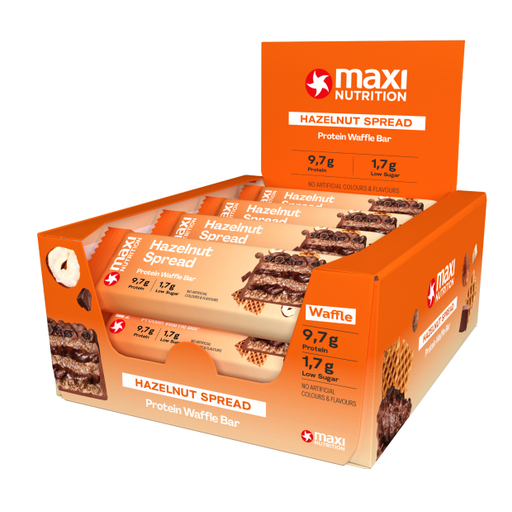
This pack of 12 may suit you if you’re looking for several 39-g bars to take on occasional outings.
Check the current ingredients list for maltitol and allergens. Before packing them, find out whether the bars are individually wrapped.
 No image available
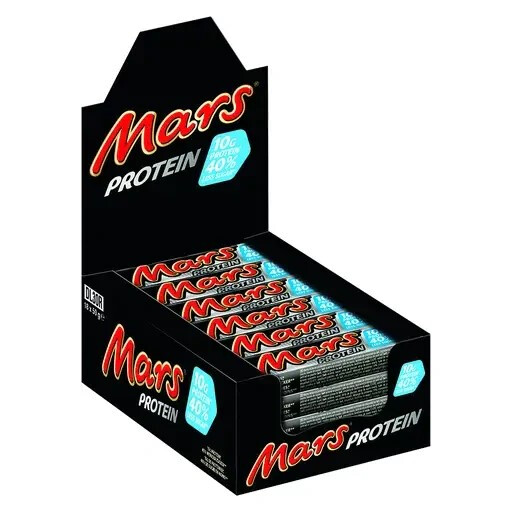
This box is an option for consumers planning to take several 50-g bars on outings.
Read the current allergen information before choosing, and check whether each bar is individually wrapped.
 No image available
This multipack is worth comparing if you’re looking for 45-g bars to take on occasional outings.
Use the information on the current pack to compare protein content. Also check for maltitol, sucralose and allergen information, and find out whether the bars are individually wrapped.
 No image available
This pack of 12 is an option for consumers looking for a 50-g bar to take on the go and considering a nut-based recipe.
Check the current pack for the protein content, read the allergen information and find out whether the bars are individually wrapped.
 No image available
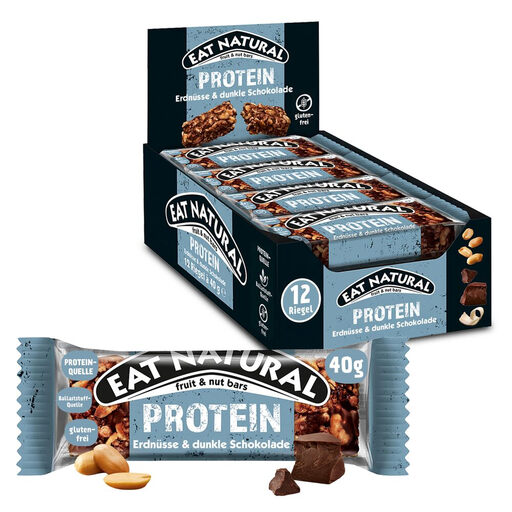
These individually wrapped 40-g bars are handy if you want to take a single portion on an outing.
For this nut-based flavour, check the current pack for ingredients and possible trace allergens. When comparing protein per bar, take the portion size into account.
No. A protein claim alone doesn’t make a bar a suitable regular choice for children. The Verbraucherzentrale generally does not consider products containing sweeteners and sugar substitutes a suitable alternative for children, so if you’re choosing a bar occasionally, check the ingredients for that specific flavour.
Compare the grams of protein per whole bar, not just a percentage on the front. In a 50-g bar, 20% protein works out at 10 g. You should also take the portion size and other nutritional information into account.
The warning highlights a possible effect if you eat too much, so don’t overlook it when packing several bars. Check the ingredients list and wording on the pack for the specific flavour.
No. Barebells says its vegan Orange Chocolate bar contains protein from wheat and soya, so “vegan” doesn’t replace checking for allergens or possible traces. Always refer to the information on the current packaging.