If you’re specifically looking for a low-fat protein bar, check the fat content per 100 g first: under EU rules on nutrition claims, a solid food can only be described as ‘low fat’ if it contains no more than 3 g of fat per 100 g. Protein content, sugar claims and taste don’t replace this comparison; after that, bar size, ingredients and allergen information can help you choose.
What different shoppers should check
Shoppers specifically looking for a low-fat option
If you’re considering a bar labelled ‘low fat’, the fat content per 100 g is your first filter. EU rules on nutrition claims set a limit of no more than 3 g of fat per 100 g for solid foods; this does not set a personal dietary target.
Shoppers keeping within a fat budget
If you’re planning to have a protein bar as a snack without insisting that it’s labelled ‘low fat’, compare the fat and protein content per 100 g first, then check the figures for the actual bar size.
Shoppers with ingredient or tolerance concerns
If you need to avoid certain ingredients or are concerned about sweeteners, the ingredients list, highlighted allergens and ‘may contain’ information for that particular variety matter just as much as the nutritional values.
What to look for when buying
When comparing protein bars for a low-fat diet, start with the fat content per 100 g. Then check what’s in a serving of the specific bar and whether its ingredients meet your needs.
| What to check |
What to look for |
Who it matters most to |
| Fat content |
Check the fat content per 100 g. Under EU rules on nutrition claims, solid foods can only be labelled ‘low fat’ if they contain no more than 3 g of fat per 100 g. |
If I’m specifically looking for a low-fat bar, its fat content needs to meet this criterion; for around 50% of shoppers, having a verifiably low fat content is the top priority. |
| Protein and serving size |
Compare fat and protein on the same basis, per 100 g; then check the bar’s weight and the figures per serving. |
I want to know how much protein is in my snack without losing sight of my fat budget. For around 30% of shoppers, this comparison takes priority. |
| Ingredients and tolerance |
Check the ingredients, highlighted allergens, ‘may contain’ information and details of sweeteners for the specific variety. |
If I need to avoid certain ingredients, the labelling for that variety determines what I choose; around 20% of shoppers prioritise ingredients and tolerance. |
Common misconceptions
-
Assuming ‘high protein’ or ‘low sugar’ means ‘low fat’
These claims describe different qualities. The Sportness Yoghurt-Cereal, Barebells Pistachio Spread and ahead Lemon Cheesecake protein bars listed by dm contain 15 g, 17 g and 19 g of fat per 100 g respectively. Each is above the EU limit of no more than 3 g per 100 g for a ‘low fat’ claim on solid foods.
Start with the fat content in the nutritional information for the specific variety, then assess its protein and sugar separately.
-
Comparing only the figures per bar
When bars vary in size, the figures per serving aren’t based on the same amount. Nutritional values per 100 g give you a consistent basis for comparison; the serving size then shows how much is in an individual snack.
Compare fat and protein per 100 g first, then check the stated weight of the bar.
-
Checking the flavour but overlooking the ingredients
Allergens and ‘may contain’ information vary by flavour. The Verbraucherzentrale also notes that sweeteners can have a laxative effect when consumed in large quantities.
Read the ingredients list and labelling on the specific pack, especially if you need to avoid certain ingredients or plan to eat more than one bar.
Brands and product ranges to consider
The fat figures below apply to individual varieties, not to a brand’s entire range. Under EU rules on nutrition claims, solid foods can only be labelled ‘low fat’ if they contain no more than 3 g of fat per 100 g.
Sportness
The 33% Yoghurt-Cereal protein bar is one variety in Sportness’s snack range.
- dm lists 33 g of protein and 15 g of fat per 100 g for this variety.
- At 15 g of fat per 100 g, it does not meet the limit for a ‘low fat’ claim. If relevant, also check the variety-specific information about milk, soya and possible traces.
Barebells
Barebells offers a range of protein bars; compare the nutritional values for each variety.
- For Pistachio Spread, dm lists 34 g of protein per 100 g.
- According to dm, the same variety contains 17 g of fat per 100 g, so it does not meet the limit for a ‘low fat’ claim. Milk, pistachio and soya are among the ingredients to consider when choosing.
ahead
Lemon Cheesecake is a protein bar with a dessert-inspired flavour.
- dm lists 29 g of protein per 100 g for Lemon Cheesecake.
- The fat content listed there is 19 g per 100 g, so it does not meet the limit for a ‘low fat’ claim. Check the ingredients for this variety separately if you have any dietary restrictions.
maxiNUTRITION
Pistachio Spread is a protein wafer bar, so it’s a different type of product from the protein bars mentioned above.
- The wafer format offers a different texture for shoppers specifically looking for a crunchy snack.
- dm lists 34 g of fat per 100 g for this variety. It therefore does not meet the limit for a ‘low fat’ claim on solid foods.
Protein bars on Joybuy
This selection includes a sweet Chocolate Caramel protein bar and savoury Beef Protein Bars. Both may appeal to shoppers who want to check the fat content and serving size before buying; neither product should be considered ‘low fat’ based on its name alone.
 No image available
Premier Protein 50% Bar Chocolate Caramel, 16 × 40 g
A sweet option for shoppers looking for a protein bar with a chocolate caramel flavour. Check the fat content in the nutritional information before including it in a low-fat selection.
The product name states 16 × 40 g; check the pack and serving information before making a comparison.
View on Joybuy
 No image available
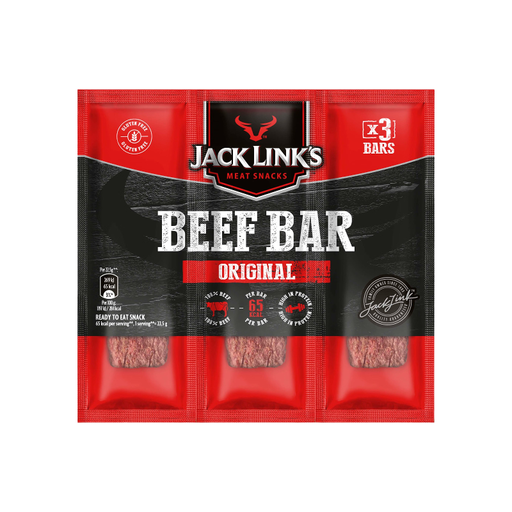
Jack Link's Original Beef Protein Bars, 3 × 22,5 g
A savoury bar option for shoppers looking for a beef snack rather than a sweet protein bar. Check the nutritional information per 100 g to see whether the fat content meets your criteria.
The product name states that the pack contains 3 × 22,5 g.
View on Joybuy
Frequently asked questions
When can a protein bar be labelled ‘low fat’?
Under EU rules on nutrition claims, a solid food can only be labelled ‘low fat’ if it contains no more than 3 g of fat per 100 g. This limit applies to the product claim; it is not a prescribed personal dietary target.
Should I compare the fat content per bar or per 100 g?
When comparing different protein bars, start with the figure per 100 g. Then check the weight of the individual bar so you can work out the fat content of your actual portion.
Does ‘no added sugar’ also mean ‘low fat’?
No. A claim about added sugar says nothing about fat content. Barebells markets products with no added sugar, but dm also lists 17 g of fat per 100 g for Pistachio Spread. Check the nutritional information for the specific variety to assess its fat content.
Why do some bars carry a warning about laxative effects?
This warning may relate to the sweeteners they contain. The Verbraucherzentrale explains that these substances can have a laxative effect when consumed in large quantities, so check the ingredients and warnings on the relevant pack.
Do I need to check each flavour separately if I have allergies?
Yes. Check the ingredients, highlighted allergens and possible traces for the specific variety. For example, Barebells Pistachio Spread lists milk, pistachio and soya; the labelling may differ for another variety.


